Slab leaks
With most homes on slabs, leaks in copper supply lines under the floor are one of the most common calls we get. We locate them precisely and repair them through the slab or reroute the line overhead.
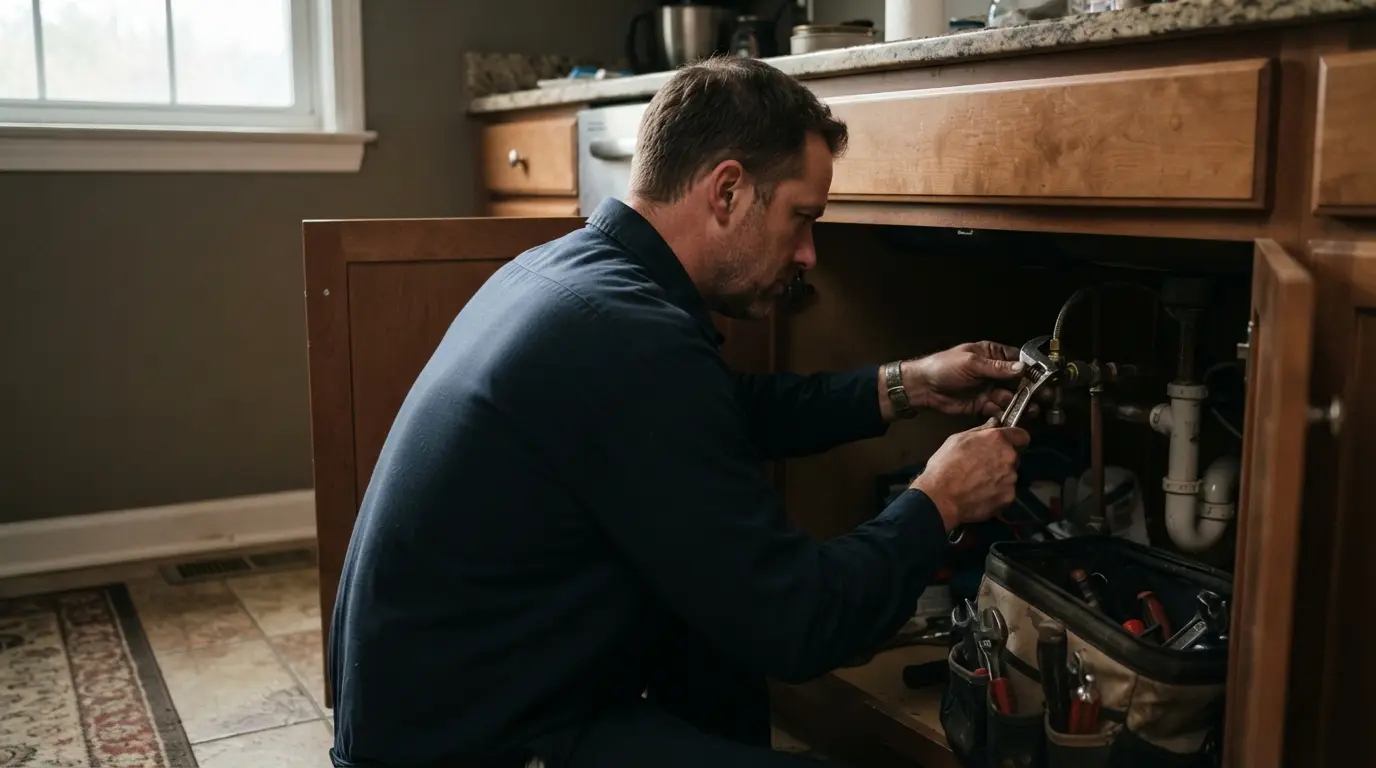
Slab leak under the tile, or a cast iron drain failing under the floor? Our plumbers in Florida find the cause and fix it. Nearly every Florida home sits on a concrete slab, so most of its plumbing runs under or through the floor. Older homes still have cast iron drains and, in many built from the late 1970s to the mid 1990s, polybutylene supply pipe. Hard water from the limestone aquifer, hurricanes, flooding, salt air and homes left empty for the summer all shape the work. Here is what we fix, how licensing works and where we serve.
Plumbing in Florida
Our Census data covers 17,291,940 Floridians in 7,902,407 homes across 956 places. 37% of those homes were built before 1980, including 70% in St. Petersburg, 75% in Hollywood and 72% in Miami Gardens, while 31% went up in 2000 or later in places like Port St. Lucie (median 2002) and Cape Coral (median 2000).
Electricity heats 90% of Florida homes and utility gas only 5%, so most water heaters are electric. 28% of homes are in buildings with five or more units, from condo towers to garden apartments, and manufactured homes make up 5% of housing statewide and far more in some inland and Gulf Coast communities.
Counts from the U.S. Census Bureau 2024 Gazetteer.
Explore our servicesWhat our plumbers see
With most homes on slabs, leaks in copper supply lines under the floor are one of the most common calls we get. We locate them precisely and repair them through the slab or reroute the line overhead.
Homes built before the mid 1970s often have cast iron drains under the slab. Florida's warm, wet ground and sewer gases rust them from the inside until they crack, leak and collapse. We inspect by camera, then line or replace them.
Gray polybutylene supply pipe, installed widely in Florida from the late 1970s to the mid 1990s, becomes brittle and fails without warning. Many insurers ask about it. We repipe in PEX or copper.
Groundwater from Florida's limestone aquifer is often hard, and many wells smell of sulfur. Scale shortens water heater life and clogs fixtures. We install softeners and filters matched to a water test.
Hurricanes and heavy summer rains raise groundwater, overload sewers and septic systems and push water into homes. We repair storm damage and install backflow and backwater protection.
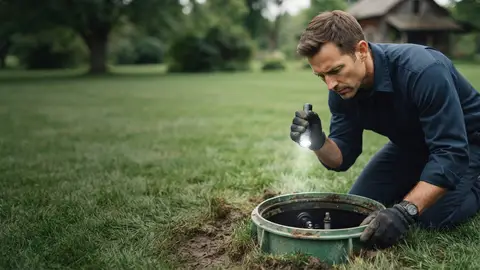
Many Florida homes, including many in suburban areas, are on septic. A high water table and sandy soil make drainfield design and maintenance important.
Our services
Each service page explains how we handle that work in Florida homes and businesses.
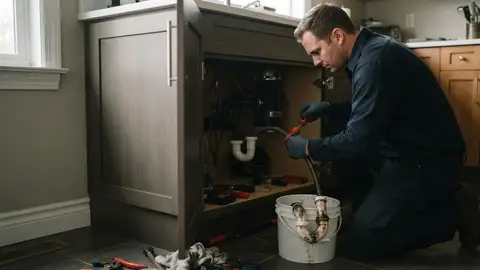
Sewer Line Repair & Replacement

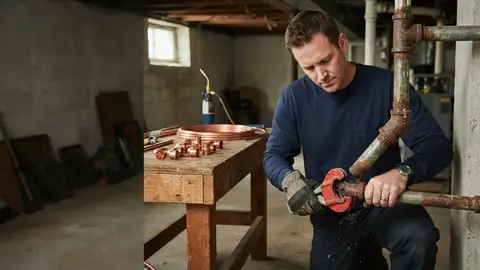
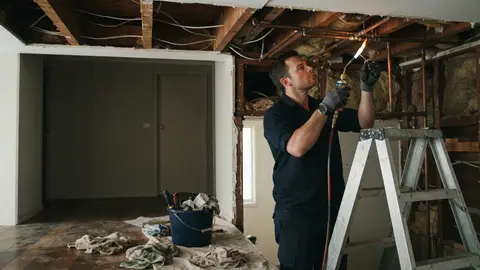
Repiping & Water Line Replacement
Gas Line Repair & Installation
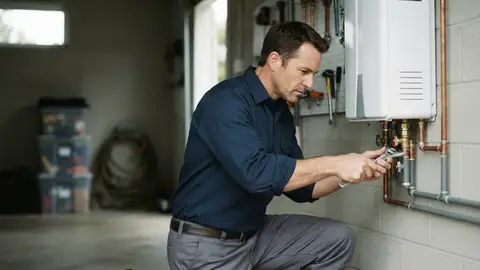
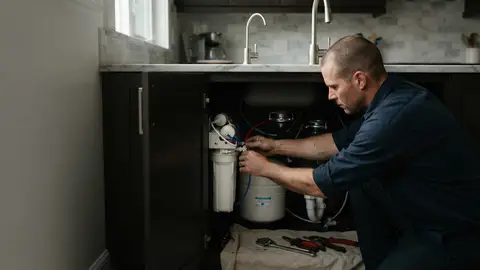
Water Heater Repair & Replacement
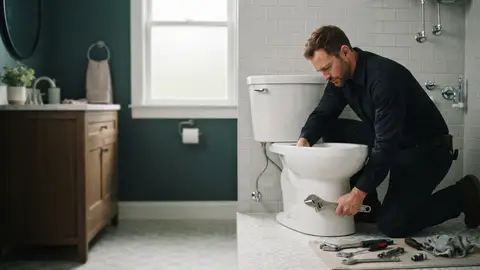
Toilet, Faucet & Fixture Repair
Sump Pump Repair & Installation
Across the state
What our plumbers see: Cast iron under slabs, condo towers, salt air, flooding
What our plumbers see: Older slab homes, polybutylene, storm surge, sinkhole areas
What our plumbers see: Hard water, septic, manufactured homes, fast growth
What our plumbers see: Seasonal homes, newer slabs, well and septic outside cities
What our plumbers see: Occasional freezes, older homes, more gas heat
Florida plumbing contractors are licensed through the Department of Business and Professional Regulation, either as certified contractors who can work statewide or as registered contractors tied to a local jurisdiction. Our Florida work is done under the required contractor license, and our plumbers work to the Florida Building Code.
Permits are issued by the city or county building department. Water heater replacements, repiping, sewer and water line work, gas piping and remodel plumbing generally need a permit and inspection. We pull permits and schedule inspections for the jurisdiction where you live.
Most Florida cities draw drinking water from the Floridan or Biscayne aquifers, both in limestone, so city water is often moderately hard to hard. Some utilities soften or blend it. Many homes outside cities use private wells, which can carry hardness, sulfur, iron or tannins. Reclaimed water, piped separately in purple lines, irrigates lawns in many communities.
Onsite sewage systems in Florida are regulated by the Florida Department of Environmental Protection, which issues permits for new systems and repairs. A high water table and sandy soils make proper drainfield design important. Confirm requirements before planning work; we handle the permit on repairs we perform.
More than half of the homes in several older cities predate 1980: 65% in Fort Lauderdale, 65% in Pensacola and 70% in St. Petersburg. These homes are where we find cast iron drains rusting under slabs, galvanized supply lines and original water heaters in hall closets. When a house has had several repairs, we look at the whole system and price a full repipe or drain lining alongside the next patch so you can compare.
Manufactured homes make up 15% of homes in Lakeland and 12% in Venice. Their plumbing runs under the floor in the skirted space, often with plastic supply lines, and connects to park water and sewer or to a well and septic system. We repair and replace supply and drain lines, water heaters sized for manufactured homes and the connections underneath.
Know your main shutoff, test backflow devices and sump or lift pumps, and keep drains and cleanouts clear.
Heavy rain raises groundwater; watch for slow drains and septic odors. Close up seasonal homes properly.
After storms, check for leaks, sewer backups and damaged irrigation or backflow devices.
In North Florida, protect outdoor pipes and pool equipment from occasional hard freezes, and flush water heaters.
Service area
Our largest service areas by population:
Every Florida place in our data, grouped by county:
Alachua County
Baker County
Bay County
Bradford County
Brevard County
Broward County
Calhoun County
Charlotte County
Citrus County
Clay County
Collier County
Columbia County
DeSoto County
Dixie County
Duval County
Escambia County
Flagler County
Franklin County
Gadsden County
Gilchrist County
Glades County
Gulf County
Hamilton County
Hardee County
Hendry County
Hernando County
Highlands County
Hillsborough County
Holmes County
Indian River County
Jackson County
Jefferson County
Lafayette County
Lake County
Lee County
Leon County
Levy County
Liberty County
Madison County
Manatee County
Marion County
Martin County
Miami-Dade County
Monroe County
Nassau County
Okaloosa County
Okeechobee County
Orange County
Osceola County
Palm Beach County
Pasco County
Pinellas County
Polk County
Putnam County
Santa Rosa County
Sarasota County
Seminole County
St. Johns County
St. Lucie County
Sumter County
Suwannee County
Taylor County
Union County
Volusia County
Wakulla County
Walton County
Washington County
How it works
We ask about the symptoms, the age of the home and whether water should be shut off now.
Active leaks, sewage backups, flooding and gas odors get priority scheduling.
Leak detection, camera inspection or water testing come before recommendations.
Options and costs are laid out before work begins.
Work is tested and inspected where required.
Have a plumbing problem in Florida?
Call Expert Plumber Now and tell us what is happening. We’ll send a licensed plumber.
Pricing
We price each job on what we find. These factors matter most here:
Reaching pipes under concrete and tile takes leak location, cutting and patching or rerouting.
Cast iron drains and polybutylene supply often need replacement rather than repair.
Associations may set work hours, require notices or insurance certificates.
Hard or sulfur water may call for treatment equipment.
Fees vary by city and county.
After-hours and storm-season emergencies cost more than scheduled work.
You get a written price before work begins.
Season by season
Many Florida homes sit empty part of the year. Census counts 53% of Marco Island homes and 48% of Naples homes as not occupied year-round, and 28% in Venice. An empty house can hide a slow leak for months, and a toilet flapper or water heater can fail while no one is there. We set homes up for summer absence with the main shutoff closed or an automatic leak valve, the water heater off, and drains primed, and we check them before owners return.
Why choose us
What you can count on every time one of our plumbers comes to your door.
Every job is handled by a plumber who holds the license your state or city requires, backed by liability insurance.
Our plumber explains the problem and the options, and you approve a written price before any work begins.
Burst pipes, sewage backups and failed water heaters get priority scheduling, including nights and weekends.
We pull permits when the job needs one and schedule the inspection, so the work holds up when you sell.
Repairs and installations come with a written warranty on labor, on top of the manufacturer's warranty on parts.
Our pages and plumbers account for your area's water, soil, climate and the age of the homes around you.
Each job is priced on what our plumber finds: the problem, pipe material, slab access, permits and timing. You approve a written price before work starts.
It depends on how much pipe is affected and whether it can be lined or must be dug out. A camera inspection lets us price each option in writing.
We ask what is happening, tell you what to shut off and schedule our plumber, with active leaks, backups, flooding and gas odors first.
Yes. We pull the permit from your city or county building department and schedule the inspection.
Leave the house without using switches and call your gas utility or propane supplier from outside. We repair the piping once it is safe.
A direct repair or reroute is often done in one or two days. A whole-house repipe takes longer, and we give you a schedule with the price.
Close the main shutoff or install an automatic leak valve, turn off the water heater, and have someone check the home or install water sensors.
Close the main shutoff and call us. Active leaks get priority scheduling, and we document damage for insurance.
Yes. Our Florida work is done under a plumbing contractor license issued through the Department of Business and Professional Regulation.
Often, yes. City water from limestone aquifers is usually moderately hard to hard, and many wells are hard and may smell of sulfur.