Old risers and stacks
Apartment buildings have galvanized risers and cast iron stacks that leak and clog. We replace them in phases.
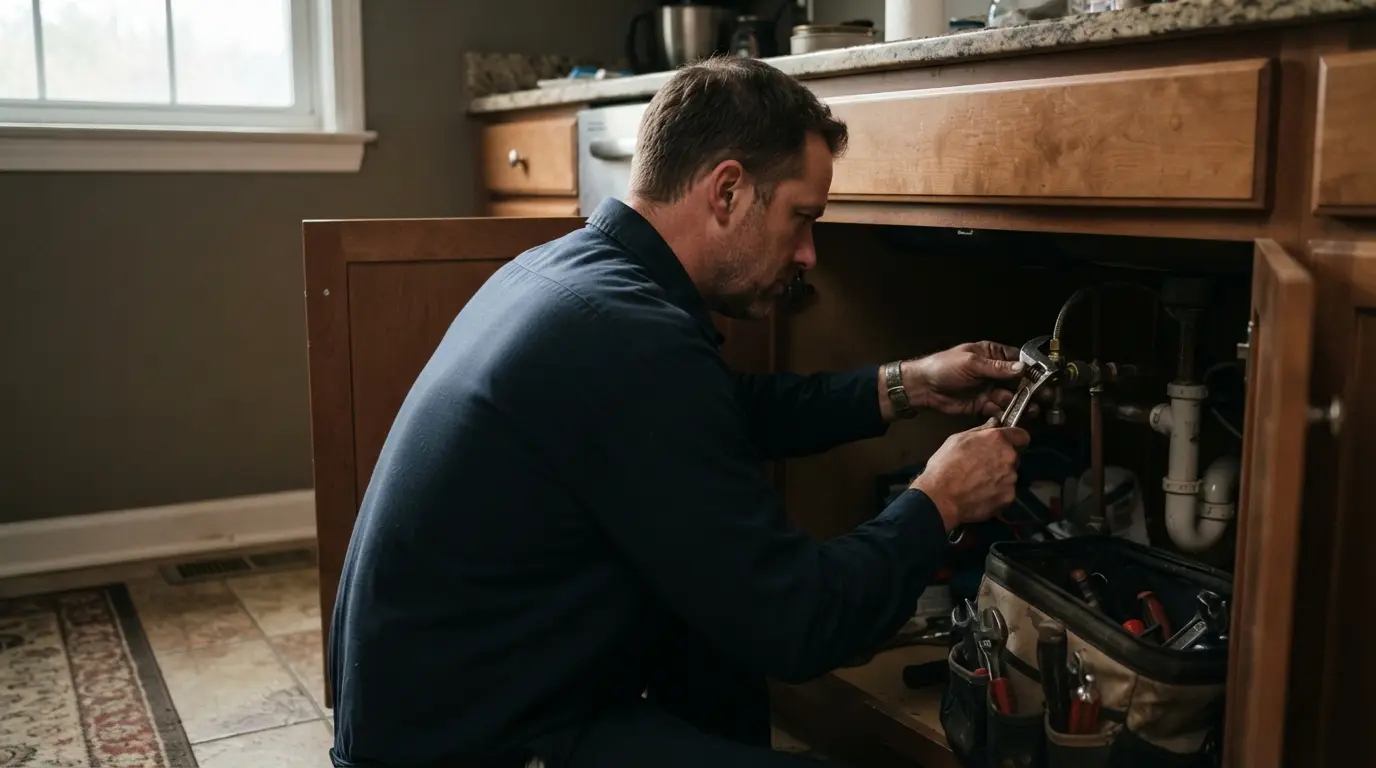
Frozen pipes upstate, or a riser leaking in the city? Our plumbers in New York find the cause and fix it, with a written price before work starts. We work in New York City and Yonkers, Westchester and the Hudson Valley, Long Island from Hempstead to Montauk, the Capital Region around Albany, Schenectady and Troy, Central New York and the Finger Lakes, Rochester, Buffalo and Niagara Falls, the Southern Tier, the North Country and the Adirondacks. New York plumbing means some of the oldest housing in the country, apartment buildings of every size, oil and gas boilers, lake-effect cold and cesspools across much of Long Island. Here is what we fix and where.
Plumbing in New York
Our Census data covers 16,315,471 people in 6,953,234 homes across 1293 places in New York's 58 counties. New York City alone has 3,678,486 homes. 595 places are incorporated cities and villages, and 698 are census-designated places such as Levittown, Brentwood and Montauk inside larger towns. The housing is among the oldest in the nation: 78% of homes were built before 1980 and 57% before 1960. In Buffalo and Rochester the median home dates from 1938.
Utility gas heats 63% of homes, fuel oil about 15% and electricity 16%. Oil remains common on Long Island, heating 73% of homes in Levittown and 64% in Hampton Bays, and in the Adirondacks, 57% in Saranac Lake. Plattsburgh heats 86% of homes with electricity. Renters occupy 52% of homes statewide, and buildings with five or more units hold 41% of all homes.
Counts from the U.S. Census Bureau 2024 Gazetteer.
Explore our servicesWhat our plumbers see
Apartment buildings have galvanized risers and cast iron stacks that leak and clog. We replace them in phases.
Lake-effect cold and Adirondack winters split pipes in outside walls and empty homes. We thaw, repair and protect them.
Many older homes still have lead service lines. We replace them and the old pipe behind them.
Oil and gas boilers often heat water too. We repair and replace water heaters and indirect tanks.
Heavy rain and storm surge flood basements in the city and on Long Island. We install pumps and backwater valves.
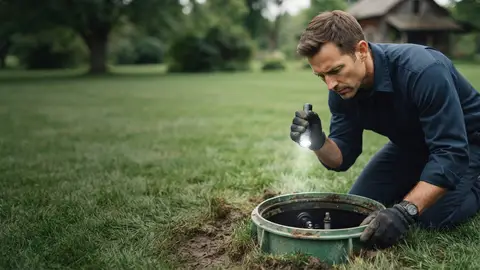
Much of Long Island and rural upstate is unsewered. We pump, inspect and repair systems.
Our services
Each service page explains how our plumbers handle that work in New York homes, apartment buildings and businesses.
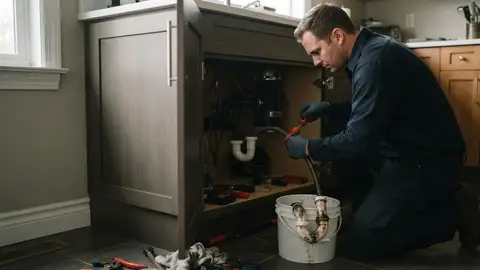
Sewer Line Repair & Replacement
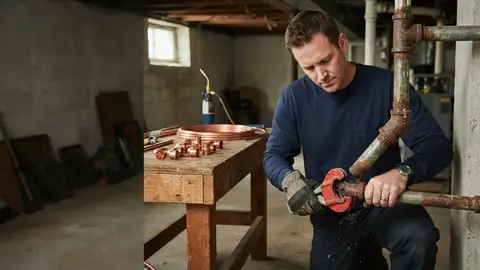
Repiping & Water Line Replacement
Gas Line Repair & Installation
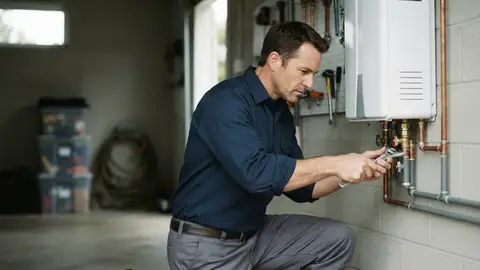
Water Heater Repair & Replacement
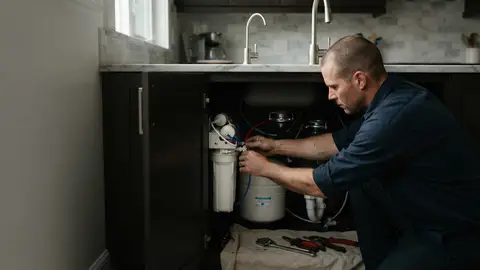
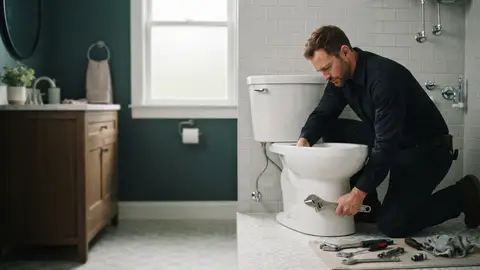
Toilet, Faucet & Fixture Repair
Sump Pump Repair & Installation
Across the state
Homes and main places: 3,678,486 homes across the five boroughs
What our plumbers see: Risers, gas inspections, basement units
Homes and main places: Yonkers (85,006 homes), White Plains, Kingston
What our plumbers see: Old houses, oil heat, wells
Homes and main places: Hempstead, Levittown, Freeport, Montauk
What our plumbers see: Cesspools, oil boilers, storm flooding
Homes and main places: Albany (50,408 homes), Schenectady, Troy, Saratoga Springs
What our plumbers see: Row houses, old pipe, freezes
Homes and main places: Syracuse (67,601 homes), Utica, Ithaca
What our plumbers see: Lake-effect cold, rentals
Homes and main places: Buffalo (136,850 homes), Rochester, Niagara Falls
What our plumbers see: Very old housing, lead lines
Homes and main places: Binghamton (25,457 homes), Elmira, Jamestown
What our plumbers see: Flooding, older homes
Homes and main places: Watertown (13,426 homes), Plattsburgh, Saranac Lake
What our plumbers see: Deep cold, camps, septic
New York State does not issue a statewide plumbing license. Plumbers are licensed by New York City and by many cities and counties, including Westchester, Nassau and Suffolk counties and cities such as Buffalo, Rochester and Syracuse. Our plumbers hold the local licenses each job requires.
Outside New York City, work follows the state Uniform Code, including the Plumbing Code of New York State, with permits from the city, town or village. New York City has its own plumbing code and Department of Buildings permits, and gas piping in many city buildings must be inspected periodically. We pull permits and schedule inspections.
New York City draws soft water from the Catskill, Delaware and Croton watersheds, while upstate cities use lakes, rivers and wells, and Long Island depends entirely on its underground aquifer. Many older cities, including Buffalo and Rochester, still have large numbers of lead service lines and are working to replace them. Long Island water suppliers are adding treatment for emerging contaminants such as 1,4-dioxane, for which New York set one of the first drinking water limits in the country.
New York City and many older upstate cities have combined sewers that carry rain and sewage together. Much of Suffolk County is not sewered, and homes there use cesspools and septic systems; the county now encourages advanced nitrogen-reducing systems. Rural homes upstate follow state health department standards for onsite systems.
Buffalo, Syracuse, Rochester and the Tug Hill area get some of the heaviest snow in the East, and the Adirondacks and North Country see long stretches below zero. Old houses in Buffalo, where 90% of homes predate 1980, and Watertown, where the median home dates from 1945, have pipes in exterior walls and unheated porches. We thaw frozen lines, repair splits and reroute and insulate pipes so they survive the next cold snap.
Buildings with five or more units hold 62% of New York City homes and 51% of Yonkers homes, and renters occupy 67% of city homes. Leaks travel between floors, one clogged stack affects every line on it and repairs often need the super, the managing agent and the tenants on the same page. We replace risers and stacks in stages, coordinate shutoffs and keep records that owners need for city filings.
Levittown's median home dates from 1952, and much of Nassau and western Suffolk was built in the postwar years. Many homes still heat with oil boilers that also make hot water. Out east, 65% of Montauk homes are vacant on a typical day, mostly summer homes. Long Beach, on the barrier island, was badly flooded by Sandy in 2012. We handle cesspools, boiler-fed water heaters, flood repairs and winterizing for seasonal homes.
63% of Old Forge homes and 31% of Lake Placid homes are vacant on a typical day, many of them camps used in summer or ski season. Propane heats 40% of Old Forge homes, and fuel oil heats 54% in Malone. Camps on lakes often draw water from the lake or a shallow well and drain to a septic system. We open and close camps, repair freeze damage and service water systems.
Service area
Our largest New York service areas by population:
Every New York place in our data, grouped by county:
Albany County
Allegany County
Broome County
Cattaraugus County
Cayuga County
Chautauqua County
Chemung County
Chenango County
Clinton County
Columbia County
Cortland County
Delaware County
Dutchess County
Erie County
Essex County
Franklin County
Fulton County
Genesee County
Greene County
Hamilton County
Herkimer County
Jefferson County
Kings County
Lewis County
Livingston County
Madison County
Monroe County
Montgomery County
Nassau County
Niagara County
Oneida County
Onondaga County
Ontario County
Orange County
Orleans County
Oswego County
Otsego County
Putnam County
Rensselaer County
Rockland County
Saratoga County
Schenectady County
Schoharie County
Schuyler County
Seneca County
St. Lawrence County
Steuben County
Suffolk County
Sullivan County
Tioga County
Tompkins County
Ulster County
Warren County
Washington County
Wayne County
Westchester County
Wyoming County
Yates County
How it works
House or apartment, boiler type, well or septic, and where the shutoffs are.
Gas odors, sewage backups, burst pipes and no heat or water come before routine work.
Cameras, pressure tests and gas tests show what failed.
We explain the choices, and nothing starts until you agree.
We pull the local permit when needed and schedule the inspection.
Have a plumbing problem in New York?
Call Expert Plumber Now and tell us what is happening. We’ll send a licensed plumber.
Pricing
We price each job after we see it. These factors matter most:
Apartment risers and stacks take more planning.
Lead, galvanized and cast iron often need replacing.
Requirements differ between New York City and other places.
Tight city basements, parking and finished spaces add time.
Remote camps and rural homes add travel.
Evening and weekend calls cost more.
You get a written price before work begins.
Season by season
Keep heat steady, open cabinets on outside walls in deep cold and check empty homes and camps.
Test sump pumps before snowmelt and spring rain, and open seasonal homes carefully.
Pump cesspools and septic tanks at busy summer homes and watch for storm flooding.
Drain outdoor faucets, winterize camps and have the boiler and water heater serviced.
Why choose us
What you can count on every time one of our plumbers comes to your door.
Every job is handled by a plumber who holds the license your state or city requires, backed by liability insurance.
Our plumber explains the problem and the options, and you approve a written price before any work begins.
Burst pipes, sewage backups and failed water heaters get priority scheduling, including nights and weekends.
We pull permits when the job needs one and schedule the inspection, so the work holds up when you sell.
Repairs and installations come with a written warranty on labor, on top of the manufacturer's warranty on parts.
Our pages and plumbers account for your area's water, soil, climate and the age of the homes around you.
We look at the problem, the building, access and any permit or city filing, then give you a written price. Work starts only after you approve it.
City jobs often need licensed filings, building coordination, tenant notice and parking or access arrangements. We include these items in your written price.
We ask what is happening, tell you what to shut off and book our plumber, with gas odors, sewage and burst pipes first. We keep you updated on timing.
Yes. We file with the local building department or the New York City Department of Buildings when the work needs a permit, and schedule the inspection.
Leave the building without using switches or phones and call your gas utility or 911 from outside. We repair the piping once it is safe.
A standard tank swap takes a few hours. Replacing an indirect tank on a boiler or a building water heater takes longer.
Yes. Lead can get into drinking water. Many New York utilities have replacement programs, and we replace the pipe on your side and inside the home.
Keep heat on, insulate pipes in outside walls and crawl spaces, drain outdoor faucets in fall and winterize empty homes and camps.
Yes. New York licenses plumbers locally, and our plumbers hold the city or county licenses each job requires.
Not always. Many can be pumped and repaired. If it has failed, we explain replacement options, including the advanced systems Suffolk County encourages.