Septic tank
Purpose: Settles solids
Common problem: Full tank, failed baffle
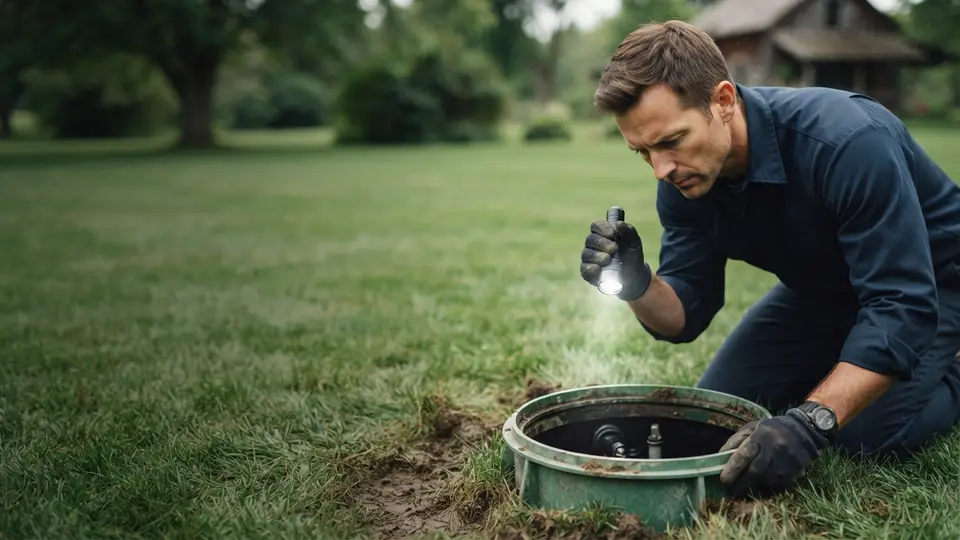
Septic alarm sounding, or soggy ground over the field? We provide septic tank services in Maryland for homes beyond public sewer. Maryland septic systems range from mountain lots in the west to flat, wet ground on the Eastern Shore, and near the Chesapeake Bay many must remove nitrogen before the water reaches the soil. We pump and inspect tanks, service nitrogen-reducing units and repair fields, working with your county health department.
The service
Our data covers 536 Maryland communities, and homes outside their sewer areas use septic. Growth in Southern Maryland around Waldorf and Leonardtown, in Frederick County near Monrovia (median built 2015) and across the Eastern Shore has put many homes on septic.
Septic parts we service
Purpose: Settles solids
Common problem: Full tank, failed baffle
Purpose: Removes nitrogen
Common problem: Blower or control failure
Purpose: Moves effluent to the field
Common problem: Float or pump failure
Purpose: Treats effluent in soil
Common problem: Saturation, roots
Purpose: Field built above poor soil
Common problem: Clogging, wet toes
Why Maryland
On the Eastern Shore and in Southern Maryland, groundwater sits close to the surface.
Central Maryland clays absorb effluent slowly.
Nitrogen-reducing systems need regular service to keep working.
Summer storms saturate fields and slow drainage.
Warning signs
Our process
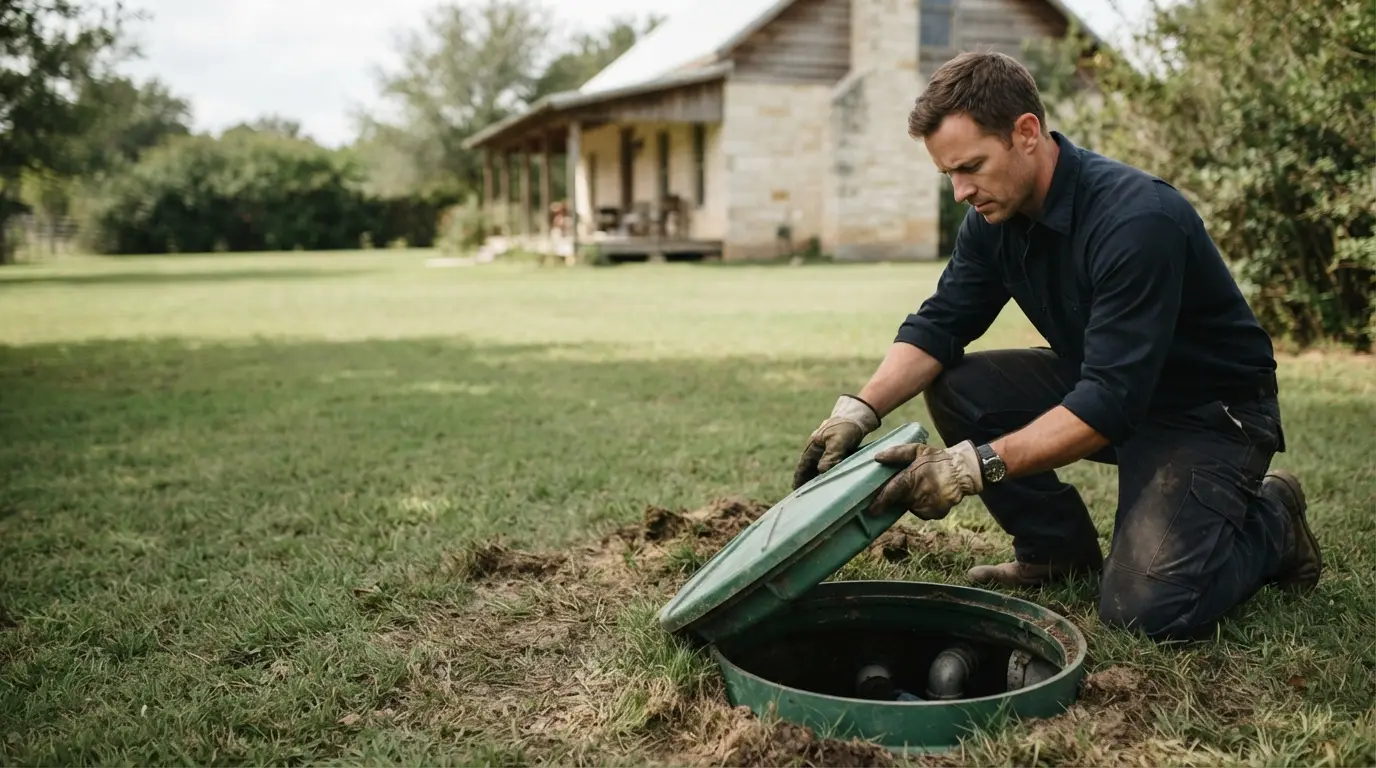
We uncover lids, pump the tank, check baffles and clean the outlet filter.
We measure sludge, test pumps, alarms and treatment units and probe the field.
We repair lines and distribution boxes and replace fields following the design your county approves.
Typical cost
Any figure before we inspect is an estimate only. These factors decide the cost:
You approve a written price before we begin.
Get a written price: (833) 733-2357Large tanks and buried lids take longer.
Mounds and nitrogen units have more parts.
Filters and floats cost less than field work.
Wet ground complicates repairs.
County health permits apply to major work.
Benefits
Solids stay in the tank.
The system drains properly.
Working units remove nitrogen.
Records support inspections.
Nitrogen from septic systems feeds algae in the Chesapeake Bay. For that reason, Maryland requires many new and replacement systems near the Bay and its tributaries to use nitrogen-reducing technology, and state grant programs have helped owners pay for upgrades. These units have blowers, pumps and controls that need regular service. We service and repair them and keep records the county may ask for.
Around Salisbury (14,658 homes), Princess Anne and Crisfield, flat land and high groundwater make septic harder, and many systems are sand mounds or pumped beds. In Crisfield 31% of homes are vacant in our data and in Princess Anne 30%. We service mounds, pumps and alarms and check old systems when homes change hands.
Waldorf (31,417 homes), Leonardtown and the communities around them have grown fast, and many homes outside sewer areas have newer systems with pumps and alarms. Owners often do not know when the tank was last pumped. We set up regular service and keep the alarm quiet.
In Ocean Pines, 35% of homes are vacant in our data, many used seasonally. A system that sits quiet all winter can be overloaded on summer weekends. We pump before the season and check pumps and filters.
Most rural Maryland homes have a well near the septic system. A failing field can affect groundwater, so we check distances during inspection. Test your well regularly for bacteria and nitrate.
Buyers and lenders often ask for a septic inspection. In Centreville (1,986 homes), Leonardtown and across rural Maryland, we pump the tank, inspect the system, write a report and complete repairs needed for the sale.
Where the soil is too wet, shallow or tight for a standard trench, Maryland systems often use a sand mound or a pressure-dosed field. A pump in a separate chamber sends measured doses of effluent through small pipes so the whole bed is used evenly. When the pump, float or timer fails, effluent backs up and the alarm sounds. When the small holes in the laterals clog, part of the mound stays wet while the rest sits dry, and the edges of the mound can start to seep. We flush laterals, repair pumps and controls and check that each dose spreads evenly across the bed.
In Frederick, Washington and Allegany counties, many rural homes sit on slopes with shallow soil over rock. Fields there may be long and narrow, follow the contour of the hill or need a pump to reach the best soil uphill. Freeze-thaw cycles and heavy spring rain test them every year. We find the tank and field, repair broken lines and keep pumps and alarms working.
We leave a written record after each visit with tank size, condition, service to any treatment unit and the next suggested pumping date. Counties may ask for service records on nitrogen-reducing systems, and buyers often want them too.
Nitrogen-reducing units and pumped systems need electricity. During long outages after summer storms or winter ice, blowers and pumps stop and the tanks slowly fill. Use as little water as you can until power returns, then check that the alarm clears and the blower is running. If it does not restart, call us; a unit left off for days loses the bacteria that do the treatment and may need time to recover.
A garbage disposal sends food solids into the tank and means more frequent pumping. If you use one, we adjust your pumping schedule and suggest keeping grease and fibrous scraps out of the sink.
Use as little water as possible if drains are slow or an alarm is on.
Keep people and vehicles off the field. Never open a tank; the gases are dangerous. Then call us.
Maryland septic systems are permitted by county health departments under state rules, including nitrogen requirements near the Bay. We work with the county on permits and inspections. Our plumbers hold Maryland plumbing licenses.
Why choose us
What you can count on every time one of our plumbers comes to your door.
Every job is handled by a plumber who holds the license your state or city requires, backed by liability insurance.
Our plumber explains the problem and the options, and you approve a written price before any work begins.
Burst pipes, sewage backups and failed water heaters get priority scheduling, including nights and weekends.
We pull permits when the job needs one and schedule the inspection, so the work holds up when you sell.
Repairs and installations come with a written warranty on labor, on top of the manufacturer's warranty on parts.
Our pages and plumbers account for your area's water, soil, climate and the age of the homes around you.
Service area
We serve septic systems around these Maryland communities, including Frederick (35,421 homes):
It depends on tank size, lid depth and access. We give you a written price before pumping begins.
It depends on the system type and how much we need to uncover and test. We price it in writing first.
They cost more than a basic tank. State grant programs have helped many owners near the Bay; ask your county about current options.
We uncover lids, pump the tank, check baffles, filters and pumps and tell you when to pump next.
Yes. We check blowers, pumps and controls, repair failures and keep service records.
Yes. We trace the line and probe the yard. County records sometimes help.
Yes. Tank gases can be deadly. Leave opening and pumping to us.
A failing system can affect groundwater. Test your well regularly and fix septic problems promptly.
Usually an hour or two once lids are uncovered.
Often a few days after the county approves the design, depending on weather and soil.
Many homes need pumping every three to five years. Household size and use change that.
Most systems do not need them. Regular pumping and care matter far more.
Stop using water and call us. Backups are scheduled ahead of routine work.
Flat land and high groundwater leave little room for effluent, so mounds and pumped systems are common.
Nitrogen from septic systems feeds algae that harm the Chesapeake Bay, so the state limits it near the water.