Toilets
Typical complaint: Refilling by itself, wobbling, seeping at the floor
Our fix: New fill valve, flapper or wax seal, or a new toilet
Toilet that keeps running, or a faucet crusted white with scale? We handle toilet, faucet and fixture repair in Nebraska. Our plumbers fix and fit toilets, faucets, sinks, showers, tubs and garbage disposals, and they plumb kitchen and bathroom remodels. Nebraska's hard water wears out cartridges, flappers and valves faster than in soft-water states, and older homes still have original fixtures and seized shutoffs. We work on everything from clawfoot tubs in Omaha four-squares to fixtures in Lincoln and Kearney student rentals, with a written price first.
The service
Nebraska's 699,112 homes range from Beatrice and Hastings houses with median build years of 1962 and 1964 to new homes in Papillion, median 1991. Older homes have two-handle faucets with compression stems, cast iron tubs and toilets that use several gallons per flush. Newer homes have cartridge faucets and low-flow toilets. Hard water affects both, coating every moving part with scale.
Fixture jobs our plumbers take on
Typical complaint: Refilling by itself, wobbling, seeping at the floor
Our fix: New fill valve, flapper or wax seal, or a new toilet
Typical complaint: Dripping spout, stiff or loose handle
Our fix: New cartridge or stems, or a new faucet
Typical complaint: Wet cabinet floor, chipped bowl
Our fix: Rebuilt trap and drain, or a new sink
Typical complaint: Sudden hot or cold bursts, dripping spout
Our fix: Valve rebuild or pressure-balancing valve
Typical complaint: Humming without turning, leak underneath
Our fix: Unjam, reseal or replace
Why Nebraska
Calcium and magnesium coat cartridges, fill valves and aerators, and seals wear out against the grit.
Angle stops and shower valves in older houses freeze in place and leak once forced.
Student houses and apartments use fixtures hard and report problems late.
Hoses left on outdoor faucets trap water that freezes and splits the valve inside the wall.
Warning signs
Our process
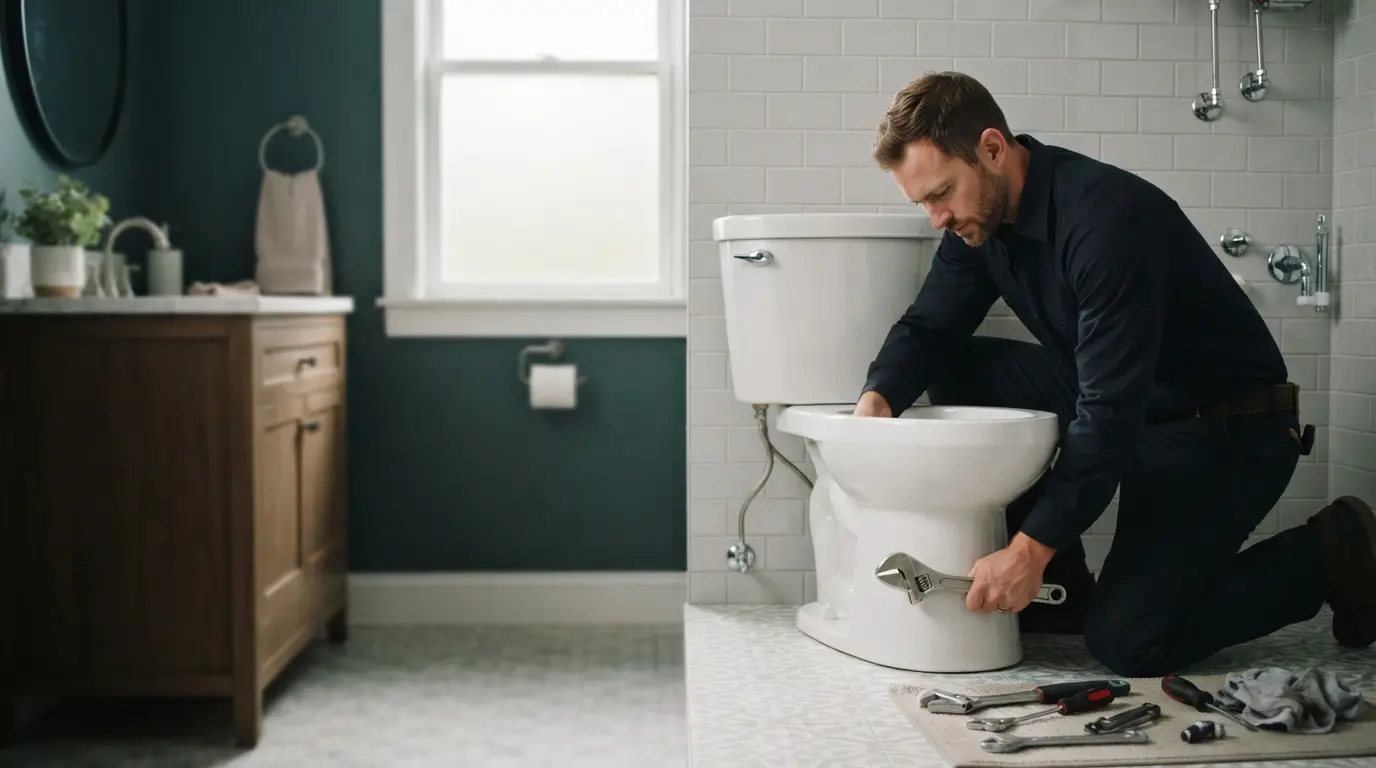
Running and seeping toilets usually need a new fill valve, flapper or wax seal. When a toilet is cracked or wastes water, we set a new one on a sound flange.
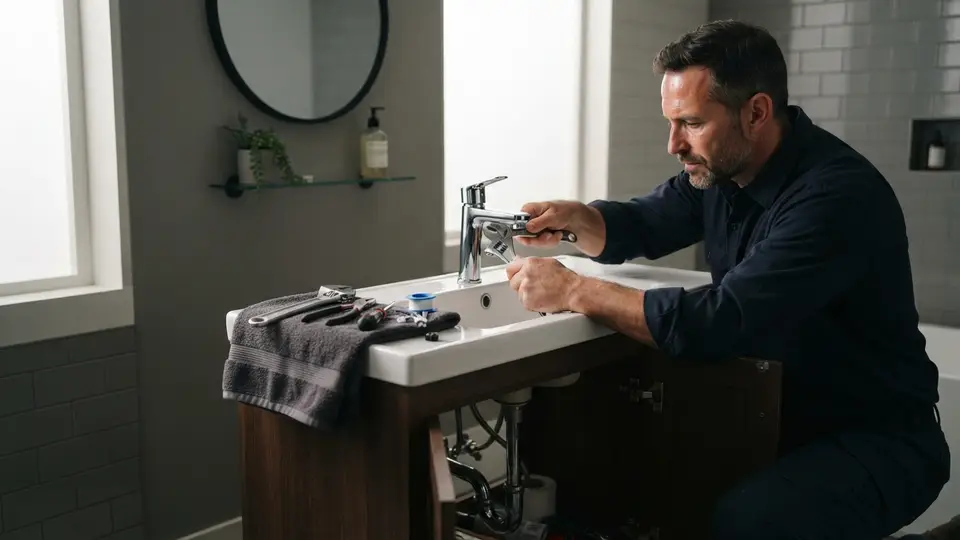
Many dripping faucets just need new cartridges or stems. For worn-out or dated faucets, we fit new ones with fresh braided supply lines and quarter-turn stops.
Leaking slip joints and corroded tailpieces get rebuilt. New kitchen, bath and laundry sinks are set and sealed, then the drain is tested.
Old single-handle and three-handle valves get rebuilt or replaced, often with a pressure-balancing valve, and new tubs and shower bases are connected and tested.
We free jammed blades, reseal leaking flanges and swap in a new unit when the motor or housing has failed.
For remodels, we relocate drains, vents and supply lines, rough them in for inspection and set the finished fixtures.
Typical cost
Until we see the fixture, any figure is an estimate only. The final price depends on:
You see a written price before we pick up a wrench.
Get a written price: (833) 733-2357A cartridge or flapper costs a fraction of a new faucet or toilet.
Fixture prices range widely.
Seized angle stops usually get replaced at the same time.
Cramped vanities and old tile surrounds take longer.
Moving a drain costs more than a like-for-like swap.
Benefits
A toilet that keeps refilling can waste hundreds of gallons a day.
Slow drips stop before wood swells or rots.
Pressure-balancing valves hold shower temperature steady.
New quarter-turn valves close when you need them.
Hard water is the main reason Nebraska fixtures fail early. Scale builds inside faucet cartridges until handles turn stiffly and drips begin. Toilet fill valves and flappers stop sealing, so the tank refills on its own. Showerheads clog and spray sideways, and glass doors cloud over. We fit parts that stand up to mineral water and clean or replace aerators and heads. When scale comes back within weeks, a softener is the lasting fix.
Omaha (213,023 homes), Lincoln, Hastings and Beatrice have many four-squares, bungalows and Victorians with clawfoot tubs, pedestal sinks and wall-mounted faucets. Owners often want to keep them. We source stems, drains and supply kits for old fixtures and only suggest replacement when parts no longer exist. If a new fixture goes in, we match it to the existing rough-in so walls stay closed.
Renters occupy 44% of homes in Lincoln, 39% in Kearney and 58% in Wayne. In La Vista, 42% of homes are in buildings with five or more units. Tenants often live with a running toilet or a slow drip for months before reporting it. We set up regular checks for landlords and managers, keep common parts on the truck and handle repairs at lease turnover.
Plenty of Nebraskans want to stay in their homes as they age, and small plumbing changes make a big difference. We install comfort-height toilets, handheld showers on slide bars, lever faucets that are easy to turn and anti-scald valves. In older homes we can swap a tub for a low-threshold shower base and move shutoffs where they can be reached without kneeling.
Turn the small stop valve under the toilet or sink clockwise to close it. If it is stuck or still leaks, close the main shutoff in the basement.
For a jammed disposal, turn off the switch and never put a hand in the drain. Mop up and put a towel down, then call us.
A like-for-like faucet or toilet swap rarely needs a permit. Remodels that move drains or supply lines generally do in Omaha, Lincoln and other cities with plumbing codes, and we file them. Our plumbers hold the local licenses each job requires.
Why choose us
What you can count on every time one of our plumbers comes to your door.
Every job is handled by a plumber who holds the license your state or city requires, backed by liability insurance.
Our plumber explains the problem and the options, and you approve a written price before any work begins.
Burst pipes, sewage backups and failed water heaters get priority scheduling, including nights and weekends.
We pull permits when the job needs one and schedule the inspection, so the work holds up when you sell.
Repairs and installations come with a written warranty on labor, on top of the manufacturer's warranty on parts.
Our pages and plumbers account for your area's water, soil, climate and the age of the homes around you.
Service area
We repair and install fixtures in 593 Nebraska communities, including Grand Island (21,503 homes) and Bellevue (26,560 homes). Find yours:
Most running toilets need a new fill valve or flapper, which costs a small fraction of a new toilet. We look first and put the price in writing.
Usually repair is cheaper if parts exist and the body is sound. Faucets badly crusted with Nebraska scale are often better replaced outright.
Yes. We check it suits your rough-in and supply first. The written price covers our labour and any extra parts, such as new stops or hoses.
We test the fixture, its stop valves and supply hoses, show you what has failed and give you a written price for fixing or replacing it.
In most cases, yes. We replace the faucet, drain and supply legs and leave the original tub where it is.
Yes. We relocate drains and supply lines, rough in for inspection and set the new fixtures, with permits filed where the city requires.
It can be, since it may include waste water, and it softens the subfloor. Stop using that toilet and call us to reset it.
Older valves do not compensate for the pressure drop. A pressure-balancing or thermostatic valve keeps the temperature steady.
One to two hours in most homes. A cracked flange or soft subfloor adds time, and we tell you before we start.
Typically an hour or two. Stuck stop valves, tight cabinets or stone tops can stretch that.
Soak aerators and heads in vinegar every few months. If crust returns within weeks, a softener treats the cause.
Once a year. Turning them keeps them free, and any that drip or will not close should be replaced.
Close that sink's stop valve or the house main straight away, then call us. A burst hose is a priority call.
Hard water leaves mineral grit on cartridges and seals, so they stiffen and start dripping sooner than in soft-water states.
Yes. Tenants often ignore small drips. Regular checks catch running toilets and leaks before they damage units below.