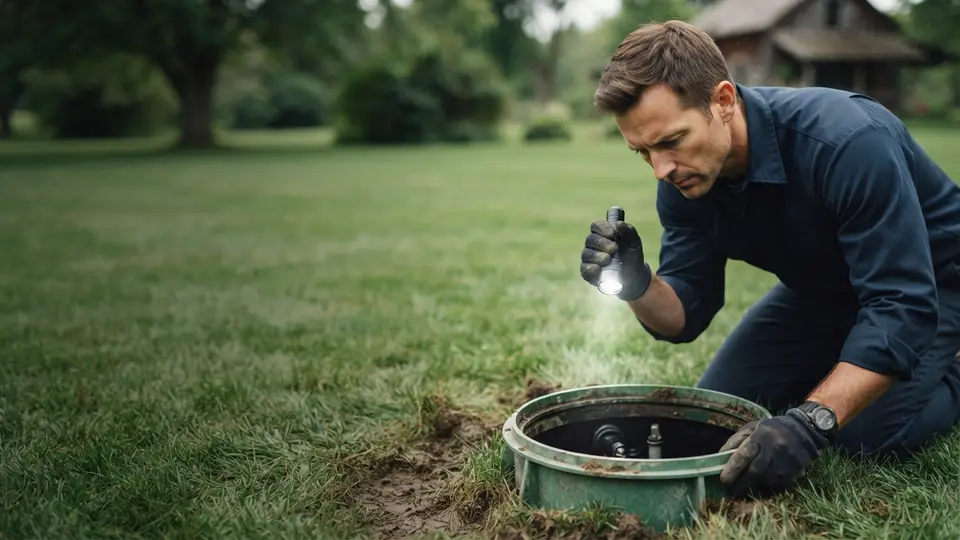
Pumping
When needed: Every three to five years
What we do: Remove sludge and scum, check baffles
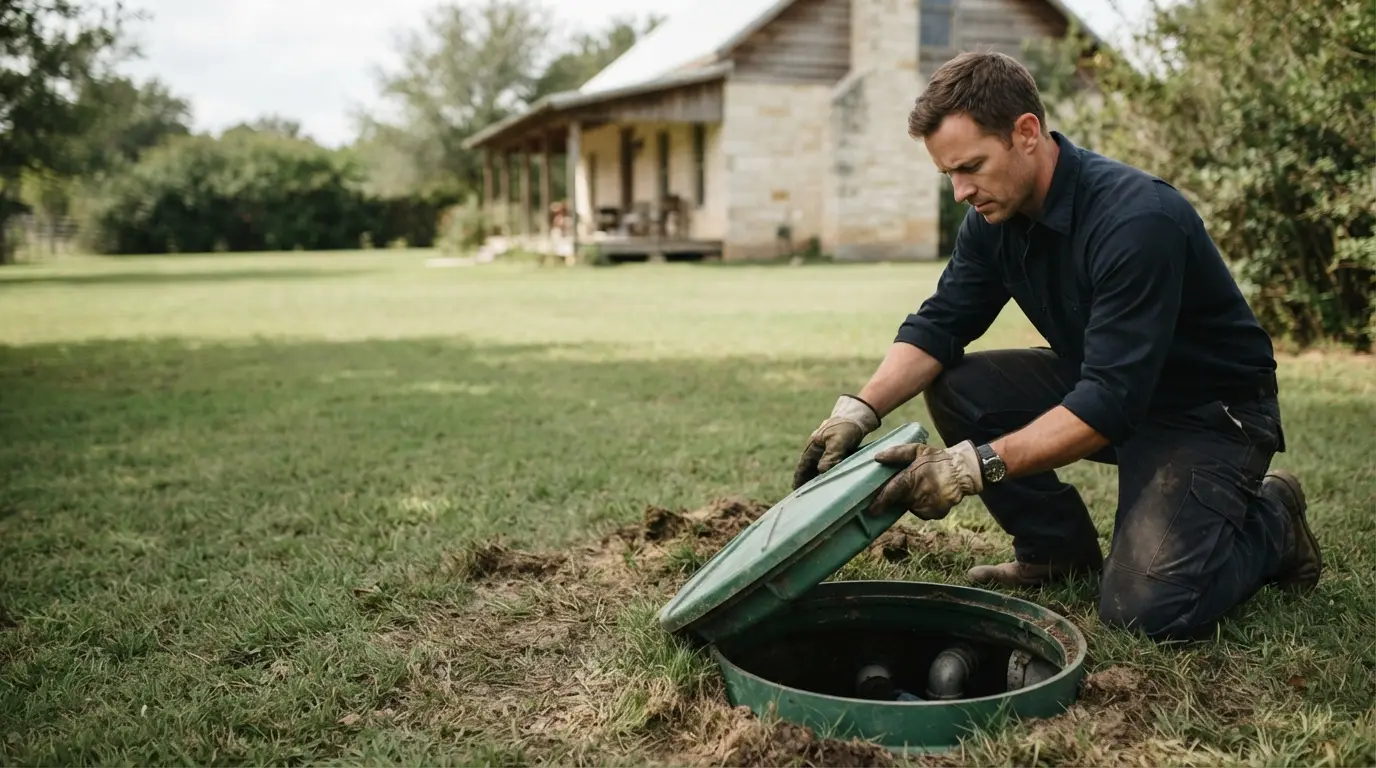
Every drain slow at once, or a wet spot over the field after the thaw? We handle septic tank services in North Dakota. Our plumbers pump and inspect septic tanks, find the cause of slow drains and backups, replace baffles, pumps and lids and repair drain fields for farms, acreages, lake cabins and homes on the edge of town. Heavy clay that absorbs water slowly, a high water table in spring and frost that reaches deep into the ground all make North Dakota septic systems work hard. We follow state and local health rules on every repair.
The service
North Dakota cities are sewered, but farms, rural acreages and many homes outside town limits treat their own waste. With 306,793 homes in our data spread over 53 counties, that covers a lot of ground. A system has a tank where solids settle and a drain field where the liquid soaks in. The state sets standards, and local health units permit and inspect systems.
Septic services we provide
When needed: Every three to five years
What we do: Remove sludge and scum, check baffles
When needed: Sale, slow drains, odors
What we do: Check tank, levels and field
When needed: Broken baffle, lid or pump
What we do: Replace the failed part
When needed: Wet ground, backups
What we do: Diagnose, repair or replace
Why North Dakota
Clay soil absorbs water slowly, so fields saturate in wet seasons.
Snowmelt raises groundwater close to the trenches.
Shallow pipes and tanks freeze when snow cover is thin.
Solids that escape the tank clog the field.
Warning signs
Our process
We locate and open the lids, pump the tank completely, check the inlet and outlet baffles and note the condition for your records.
We check the tank, baffles and levels, run water through the system and probe the field, then give you a written report.
We look for crushed pipe, a tipped distribution box or a failed pump before assuming the field is gone. When a new field is needed, we work with the local health unit on the permit.
Typical cost
Any figure before we see the system is an estimate only. The main factors:
You get a written price before work begins.
Get a written price: (833) 733-2357Buried or frozen lids take time.
Mounds and pumped systems add parts.
Baffles, filters and pumps may need replacing.
From a pipe repair to full replacement.
Rural trips and frozen ground.
Benefits
Solids stay in the tank.
Problems are caught before freeze-up.
Wells and lakes stay cleaner.
Service records help buyers.
A North Dakota winter with little snow cover lets frost drive deep, and a septic line or tank that sits too shallow can freeze. Low water use, a dripping faucet that stops or a vacant house make it worse. When a system freezes, drains back up even though the tank is not full. We thaw lines with steam or jetting and recommend insulation, mulch or snow cover over the system for future winters.
Horace, Kindred and the acreages around Fargo, and Lincoln and the rural subdivisions near Bismarck (35,361 homes), include many homes on septic. Horace's median home dates from 2006. Clay soils in the valley often call for mound systems or other designs with pumps. We service pumps, floats and alarms and pump tanks on schedule.
Cabins around Devils Lake, Lake Sakakawea and the smaller lakes often sit close to the water on small lots. Devils Lake rose for years and flooded homes and roads around it. 20% of New Town homes are vacant on a typical day. Seasonal cabins put sudden loads on systems that sat unused. We pump before summer, check alarms after long gaps and advise when a system sits too close to the water.
In Killdeer, Crosby and across the west, ranches and rural homes use septic systems on varied soils, from clay to sandy and rocky ground. Propane heats 59% of homes in Beulah and 51% in Hazen, a sign of how many homes sit beyond the utility lines. We service tanks and fields for ranch homes, crew housing and rural businesses.
Many rural North Dakota homes now get water from regional rural water systems, but some still use private wells. Where a well and a septic field share a lot, a failing field can send bacteria and nitrate toward the well. If your system is struggling and you use a well, we fix the septic first and recommend a lab test of your water.
Where clay is heavy or groundwater is high, many North Dakota systems use a mound: a raised bed of sand above the natural soil, fed by a pump that doses effluent a few times a day. Mounds work well when maintained, but the pump, float switches and alarm need attention. A failed pump lets the dosing tank overflow and can back sewage into the house. We test and replace pumps and floats, check alarm panels and protect the force main from frost.
Cut water use to a minimum. Keep vehicles and snowmobiles off the field.
Never open or lean into a septic tank. The gases can kill quickly. Keep everyone away from wet areas and call us.
Septic repairs and replacements need permits from the local health unit under state rules. We work with health staff and licensed installers and handle the plumbing between the house and the tank. Our plumbers hold North Dakota State Plumbing Board licenses.
Why choose us
What you can count on every time one of our plumbers comes to your door.
Every job is handled by a plumber who holds the license your state or city requires, backed by liability insurance.
Our plumber explains the problem and the options, and you approve a written price before any work begins.
Burst pipes, sewage backups and failed water heaters get priority scheduling, including nights and weekends.
We pull permits when the job needs one and schedule the inspection, so the work holds up when you sell.
Repairs and installations come with a written warranty on labor, on top of the manufacturer's warranty on parts.
Our pages and plumbers account for your area's water, soil, climate and the age of the homes around you.
Service area
We serve septic homes in 406 North Dakota communities, from Lincoln (1,613 homes) to Bottineau (947 homes). Find yours:
It depends on the tank size, how deep or frozen the lids are and the distance to your home. You get a written price before we start the work.
A new field needs a soil evaluation, a permit and excavation, and clay sites often need a mound system with a pump, which adds equipment.
Yes. Risers bring the lids up so pumping takes less digging, which matters even more when the ground is frozen.
We check the tank, baffles and levels, test any pump and alarm, run water through the system and probe the field, then write up the results.
We check the tank level. A high level points to the field or pump; a normal level points to a clog or frozen line between the house and tank.
Sometimes. Crushed pipe, tipped boxes and failed pumps can be fixed. A field clogged with solids usually needs replacement.
Yes. Tank gases can overcome a person in moments. Keep lids secured and never lean into or enter a tank.
Keep people and pets away, stop using water and call us. Surfacing effluent carries bacteria and should be handled promptly.
Usually one to two hours. Frozen or deeply buried lids can add time in winter.
Installation takes a few days. Permits and soil evaluation add time, and most fields are installed outside the deep-freeze months.
Most households every three to five years. Large families and garbage disposals mean more frequent pumping.
Use as little water as possible and call us. Do not add antifreeze or chemicals. We thaw the line and help you prevent it next winter.
Leave snow cover on the field and tank, add mulch over shallow lines in fall and keep water use steady through the winter.
Often. Heavy clay absorbs water slowly, so many sites need a mound or other engineered design with a pump.
Yes. A spring pumping and alarm check help the system handle heavy summer use without backing up.