Slab leaks and shifting soil
Soft, wet soils settle and clay soils swell and shrink, moving slabs and cracking the pipes beneath them. We find slab leaks and repair or reroute the line.
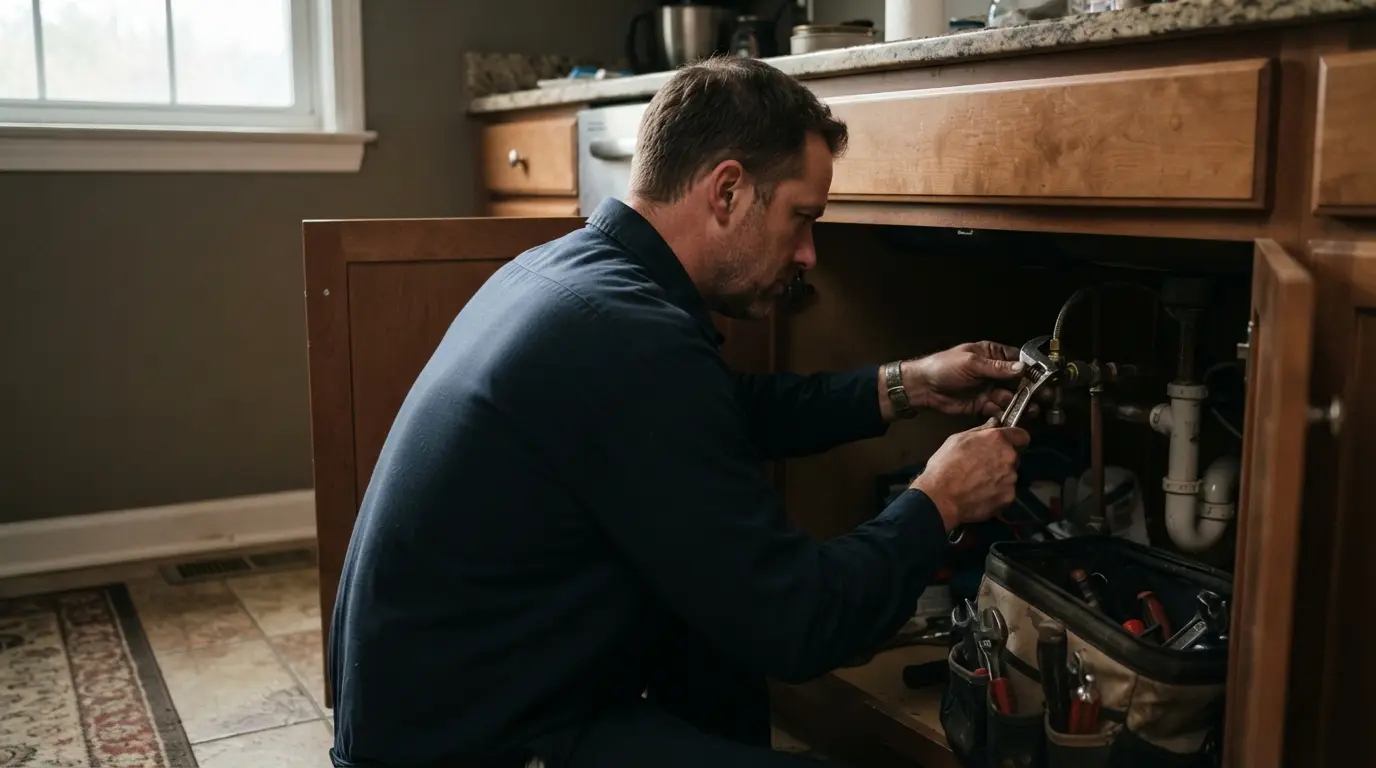
Slab leak, a sewer backup after the storm or no hot water? Our plumbers in Louisiana find the cause and fix it. We work in New Orleans and the suburbs of Jefferson Parish, Baton Rouge and its growing neighbors, Acadiana around Lafayette, Lake Charles, the bayou towns of Terrebonne and Lafourche, and north Louisiana from Shreveport to Monroe. Louisiana plumbing deals with soft and shifting soil, heavy rain, hurricanes, humid crawl spaces and the occasional hard freeze. Here is what we fix and where.
Plumbing in Louisiana
Our Census data covers 2,979,355 Louisianans in 1,397,597 homes across 489 places. 55% of those homes were built before 1980, rising to 74% in New Orleans, 73% in Gretna and 69% in Metairie. The suburbs around Baton Rouge and Lafayette are much newer: the median home in Prairieville dates from 2003 and in Youngsville from 2011.
Electricity heats 61% of Louisiana homes and utility gas 37%, so electric water heaters are very common. Manufactured homes make up 6% of housing, and renters occupy 39% of homes, 64% in Ruston and 52% in Baton Rouge.
Counts from the U.S. Census Bureau 2024 Gazetteer.
Explore our servicesWhat our plumbers see
Soft, wet soils settle and clay soils swell and shrink, moving slabs and cracking the pipes beneath them. We find slab leaks and repair or reroute the line.
Laterals sag and separate as the ground subsides, especially around New Orleans. We camera, clear and replace them.
Hurricanes and heavy rain flood homes, overwhelm sewers and damage water heaters. We help homes get running again after the water goes down.
With most homes heated by electricity, electric tank repairs and replacements are a daily call.
Pipes under raised houses and in attics are exposed to hard freezes. We repair breaks and insulate lines.
Many rural homes use aerobic treatment units that need regular service. We repair and maintain them.
Our services
Each service page covers how we handle that work for Louisiana homes and businesses.
Sewer Line Repair & Replacement
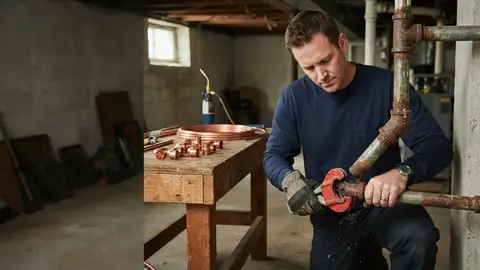
Repiping & Water Line Replacement
Gas Line Repair & Installation
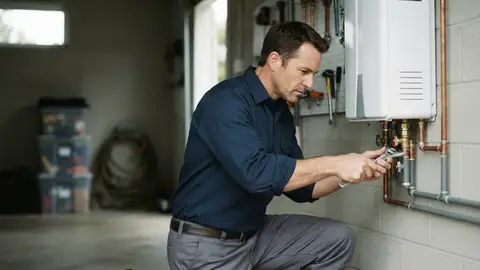
Water Heater Repair & Replacement
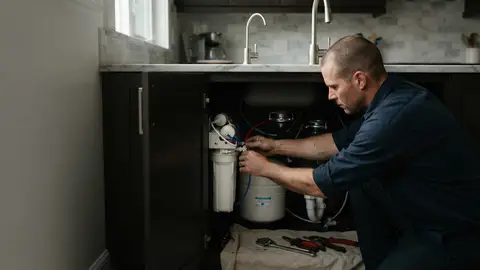
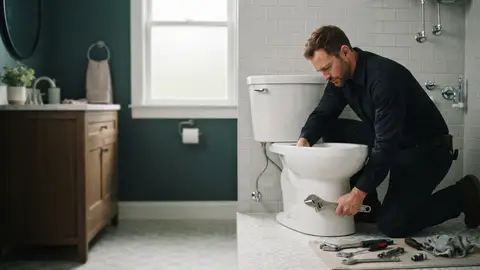
Toilet, Faucet & Fixture Repair
Sump Pump Repair & Installation
Across the state
Homes and main places: New Orleans (195,552 homes), Metairie, Kenner, Gretna, Slidell
What our plumbers see: Subsidence, old housing, storm flooding
Homes and main places: Baton Rouge (106,712 homes), Prairieville, Central, Zachary
What our plumbers see: New suburbs, flooding, slab homes
Homes and main places: Lafayette (59,363 homes), New Iberia, Opelousas, Youngsville
What our plumbers see: Slab leaks, manufactured homes, iron in water
Homes and main places: Lake Charles (40,742 homes), Sulphur
What our plumbers see: Hurricane damage, industry, slab homes
Homes and main places: Houma (14,945 homes), Thibodaux, Bayou Cane
What our plumbers see: Raised homes, storm surge, septic
Homes and main places: Shreveport (90,007 homes), Bossier City, Monroe, Ruston
What our plumbers see: Clay soils, freezes, older housing
Louisiana licenses plumbers statewide through the State Plumbing Board of Louisiana, and the state plumbing code applies across parishes and cities. Our Louisiana work is done by plumbers holding the licenses the state requires.
Permits come from city or parish permit offices. Water heater replacement, repiping, sewer and water line work and gas piping usually need a permit and inspection. We pull the permit and schedule the inspection.
New Orleans and many river parishes treat water drawn from the Mississippi River, while Baton Rouge, Lafayette and much of the state rely on groundwater from aquifers. Water quality varies widely; some groundwater carries iron or is moderately hard, and some systems issue boil-water notices after pressure losses. Rural homes may use private wells, which should be tested regularly.
Homes beyond sewer often use individual treatment systems, many of them aerobic units with an electrical aerator and disinfection, permitted under Louisiana Department of Health rules. These systems need regular maintenance. Confirm local requirements; we handle permits on the repairs we perform.
New Orleans has 195,552 homes in our data, and 20% are vacant. Many are raised shotgun and camelback houses with pipes running under the floor, while postwar homes in Metairie and Kenner (27,908 homes) sit on slabs over soft ground that keeps settling. Sewer laterals pull apart, slabs crack and service lines shift. We repair these lines and plan work around the realities of building on soft soil.
Manufactured homes make up 11% of homes in Prairieville, 11% in Sulphur and 11% in Opelousas. Lines under the floor can freeze in rare cold snaps and are hit hard by flooding. We repair supply and drain lines, replace heat tape and connect homes to water, sewer and septic systems.
Larger buildings hold 31% of homes in Baton Rouge and 24% in Lafayette, and renters occupy 64% of Ruston homes, 58% in Natchitoches and 54% in Hammond. We handle repairs and turnovers for owners and managers; tenants should report problems to the landlord, who arranges our visit.
Shreveport, Bossier City (28,591 homes), Monroe and Alexandria sit on clay soils that swell and shrink, and they see more freezing nights than the coast. In Monroe 66% of homes and in Alexandria 65% predate 1980. We repair slab leaks, cracked sewers and frozen pipes in attics and crawl spaces.
Electricity heats 61% of Louisiana homes, including 72% in Lafayette and 76% in Youngsville. Electric water heaters carry the hot water load in these homes, and many sit in garages or attics. We replace elements and thermostats, install new tanks and heat pump water heaters and add drain pans where needed.
When a hard freeze is forecast, wrap pipes under raised homes and in attics, open cabinets and drip faucets.
Heavy rains test drains and sewers; clear gutters and check the yard cleanout cap.
Before hurricane season peaks, know your water and gas shutoffs and consider a backwater valve.
Watch the water bill for slab leaks and service aerobic septic systems on schedule.
Service area
Our largest Louisiana service areas by population:
Every Louisiana place in our data, grouped by parish:
Acadia Parish
Allen Parish
Ascension Parish
Assumption Parish
Avoyelles Parish
Beauregard Parish
Bienville Parish
Bossier Parish
Caddo Parish
Calcasieu Parish
Caldwell Parish
Cameron Parish
Catahoula Parish
Claiborne Parish
Concordia Parish
De Soto Parish
East Baton Rouge Parish
East Carroll Parish
East Feliciana Parish
Evangeline Parish
Franklin Parish
Grant Parish
Iberia Parish
Iberville Parish
Jackson Parish
Jefferson Davis Parish
Jefferson Parish
LaSalle Parish
Lafayette Parish
Lafourche Parish
Lincoln Parish
Livingston Parish
Madison Parish
Morehouse Parish
Natchitoches Parish
Orleans Parish
Ouachita Parish
Plaquemines Parish
Pointe Coupee Parish
Rapides Parish
Red River Parish
Richland Parish
Sabine Parish
St. Bernard Parish
St. Charles Parish
St. Helena Parish
St. James Parish
St. John the Baptist Parish
St. Landry Parish
St. Martin Parish
St. Mary Parish
St. Tammany Parish
Tangipahoa Parish
Tensas Parish
Terrebonne Parish
Union Parish
Vermilion Parish
Vernon Parish
Washington Parish
Webster Parish
West Baton Rouge Parish
West Carroll Parish
West Feliciana Parish
Winn Parish
How it works
We ask what is happening, the age and type of the house and whether you should shut off water or gas.
Burst pipes, sewage backups and gas smells are scheduled ahead of routine work.
A camera, pressure test or leak locator shows what is wrong.
We explain the options; nothing starts without your approval.
We test the work and arrange inspection when a permit applies.
Have a plumbing problem in Louisiana?
Call Expert Plumber Now and tell us what is happening. We’ll send a licensed plumber.
Pricing
We price each job after we see it. These factors matter most:
Lines under concrete take more work to reach.
Soft, wet soil needs careful excavation and shoring.
Flood-damaged equipment often needs replacement.
Wells and aerobic septic add parts and service.
Fees vary by city and parish.
Evening and weekend calls cost more.
You get a written price before work begins.
Season by season
Hurricanes Laura and Delta in 2020 hit Lake Charles hard, where 21% of homes are vacant in our data, and Ida struck southeast Louisiana in 2021. The 2016 floods soaked the Baton Rouge region. After a storm, we replace flooded water heaters, clear silt from sewers, repair broken lines and check septic systems. Before storm season, we install backwater valves and check that you can shut off water and gas quickly.
Why choose us
What you can count on every time one of our plumbers comes to your door.
Every job is handled by a plumber who holds the license your state or city requires, backed by liability insurance.
Our plumber explains the problem and the options, and you approve a written price before any work begins.
Burst pipes, sewage backups and failed water heaters get priority scheduling, including nights and weekends.
We pull permits when the job needs one and schedule the inspection, so the work holds up when you sell.
Repairs and installations come with a written warranty on labor, on top of the manufacturer's warranty on parts.
Our pages and plumbers account for your area's water, soil, climate and the age of the homes around you.
Our plumber looks at the problem, pipe material, access and permits, then gives you a written price. Nothing starts until you approve it.
Lines under slabs take more work to reach. We often offer rerouting through walls or the attic as an option to avoid breaking the floor.
We ask what is happening, tell you what to shut off and schedule our plumber, with burst pipes, backups and gas odors first. We keep you updated on timing.
Yes. We pull permits from your city or parish and schedule the required inspection.
Leave without using switches or phones and call your gas utility or 911 from outside. We repair the piping once it is safe.
A like-for-like swap usually takes a few hours. Moving the heater or changing type takes longer, and an inspection may follow.
Wrap exposed pipes under raised homes and in attics, open cabinets, drip faucets and disconnect hoses before the cold arrives.
Stay away from water near electrical equipment, do not use gas appliances that were flooded and call us to inspect water heaters and lines.
Yes. Our Louisiana work is done by plumbers licensed through the State Plumbing Board of Louisiana.
Soft soils settle and clay soils move, pulling joints apart and creating sags. Roots and age add to the damage.