Direct repair
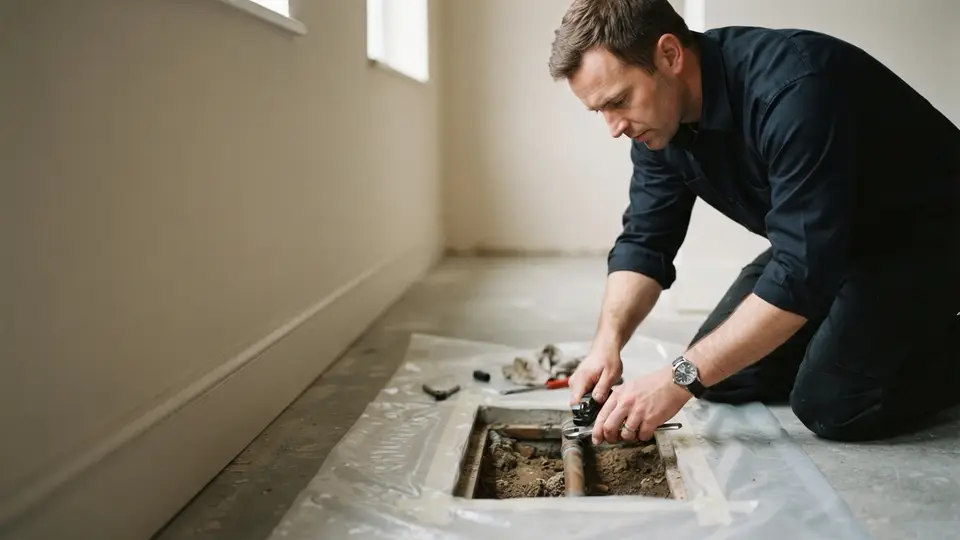
Method: Open the slab at the leak
Best when: One leak, sound pipe elsewhere
Warm floor tile, or a meter that never stops turning? We handle slab leak repair in Louisiana for homes and businesses. Slab-on-grade houses are the norm in most Louisiana suburbs, and the ground under them is soft, wet or clay that swells and shrinks. As slabs settle and flex, copper and cast iron beneath them crack and wear through. We locate the leak precisely and repair it through a small opening or reroute the line overhead.
The service
A slab leak is a break in a water or drain line beneath a concrete floor. Metairie (66,355 homes), Kenner, Baton Rouge, Lafayette and Shreveport have large neighborhoods of slab homes from the 1950s onward, and newer subdivisions in Prairieville (median built 2003), Youngsville (2011) and Zachary are almost all slab-built.
How we repair slab leaks
Method: Open the slab at the leak
Best when: One leak, sound pipe elsewhere
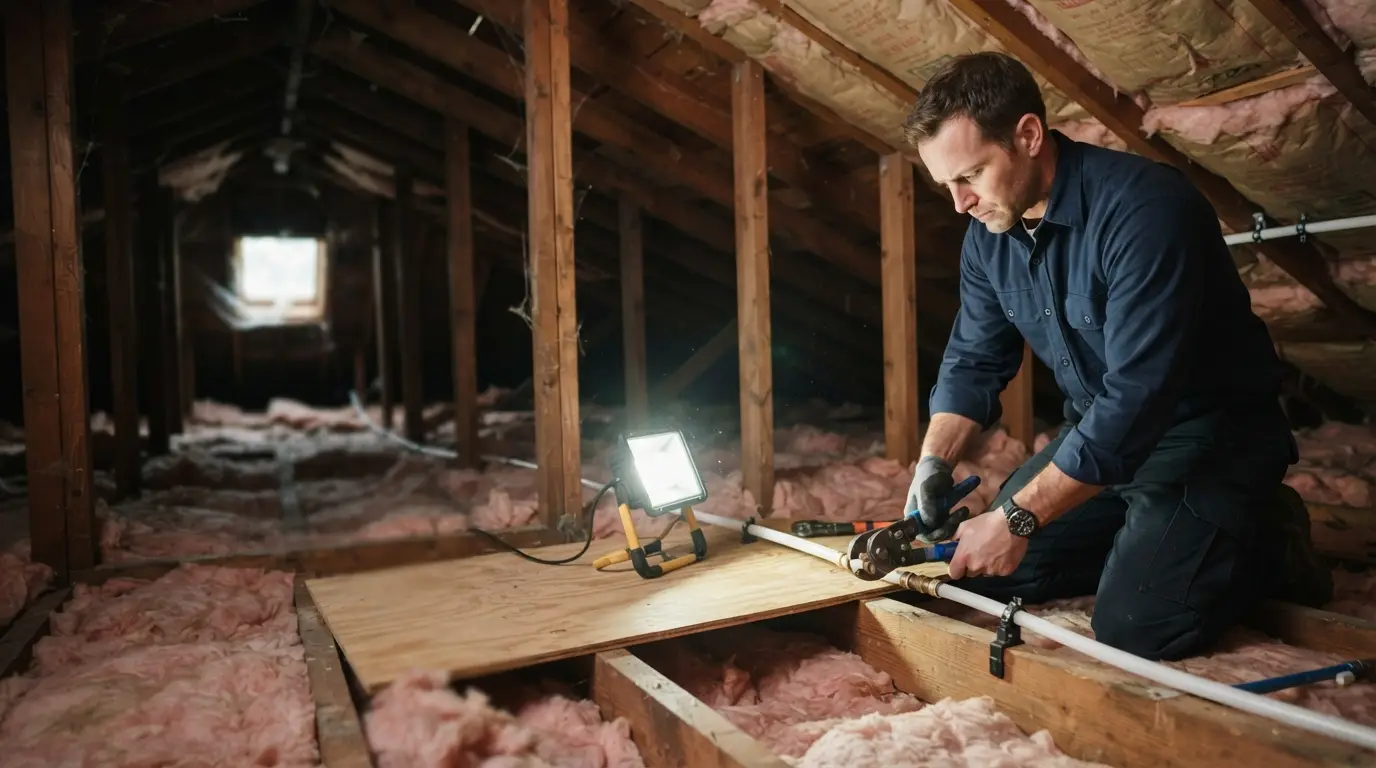
Method: New line through attic or walls
Best when: Old pipe, costly flooring
Method: Seal a cracked drain from inside
Best when: Drain keeps its shape
Method: Replace all supply lines
Best when: Repeated leaks
Why Louisiana
South Louisiana soils compress and settle, so slabs move and pipes strain.
North Louisiana clay swells and shrinks with rain and drought.
Hot water lines rub against concrete and fill as they expand and contract.
Cast iron drains under older slabs rust and split.
Warning signs
Our process
We separate hot, cold and drain lines with pressure tests and pinpoint the leak with listening equipment and thermal imaging.
We cut a small opening, replace the damaged section, test it and patch the slab.
We leave the old line in the slab and run new PEX or copper through the attic and walls.
Typical cost
Any figure before we find the leak is an estimate only. These factors decide the price:
You approve a written price before we start.
Get a written price: (833) 733-2357Under cabinets or tubs takes more work.
Rerouting avoids floor damage but may cost more upfront.
Tile and wood cost more to restore.
Repeated leaks may call for repiping.
Reroutes and repipes may need one.
Benefits
Less soil washes out or softens.
Water and electricity stop leaking away.
Mold stays away in humid weather.
Repair and reroute priced side by side.
In Metairie, Kenner (27,908 homes) and Slidell, slabs rest on soft soil that keeps compressing. Parts of the slab settle more than others, and pipes under it bend at fittings until they leak. Drains can also crack where they leave the slab. We find the leak, repair it and note any signs of uneven settlement so you can have the foundation checked.
Shreveport (90,007 homes) and Bossier City (28,591 homes) sit on clay that swells after rain and shrinks in dry summers. Slabs lift and drop with it, and pipes crossing those areas crack. Keeping soil moisture steady with good drainage and watering near the foundation in drought helps reduce movement.
If a slab line has leaked from wear, the rest of it is often in similar shape. Rerouting replaces the whole run with new pipe in the attic and walls, where it is easy to reach. It avoids breaking tile and is usually done in a day or two. In Louisiana attics we insulate new lines so they handle both summer heat and rare freezes.
Homes in Prairieville, Youngsville and Zachary (7,999 homes) are newer, but slabs built on fill soil can still settle, and PEX fittings under the slab can leak. A slab leak in a newer home may be covered by a builder warranty, so we document what we find.
Flooding in Baton Rouge (106,712 homes) and Lake Charles (40,742 homes) saturated soil under slabs. As it dried, some slabs shifted and lines cracked. If your water bill rose after a flood, we test for slab leaks and repair what we find.
A hot water slab leak keeps the heater refilling and reheating. If your electric bill jumps or the heater runs all day, close the cold valve at the heater for an hour and watch the meter. If it stops moving, the leak is probably on the hot side. We confirm with pressure testing.
Restaurants, shops and offices in Lafayette (59,363 homes) and across Louisiana sit on slabs with lines to restrooms, kitchens and floor sinks. We locate leaks and plan repairs around your hours, choosing a floor repair or overhead reroute based on how the space is used.
Ceramic tile and wood floors are common in Louisiana homes because they hold up to humidity, but they are costly to break and match. Before we cut, we show you where the leak is and price both a floor repair and a reroute. If we open the floor, we cut along grout lines where we can, save loose tiles and leave a clean, level patch ready for your flooring installer. Many owners choose rerouting simply to keep their floors intact.
Not every slab leak is a supply line. Cast iron drains under older slabs crack, and as soil settles, joints separate. Signs include odors, damp spots near bathrooms and slow drains. A camera inspection shows the damage, and we repair it through the floor or line the pipe.
With all fixtures off, check whether the meter is moving. If water is coming up through the floor, close the main shutoff.
If the floor is warm, turn off the water heater. Move rugs and furniture and take photos. Then call us.
Direct repairs often need no permit, while reroutes and repipes may. We pull permits where required. Our plumbers are licensed by the State Plumbing Board of Louisiana.
Why choose us
What you can count on every time one of our plumbers comes to your door.
Every job is handled by a plumber who holds the license your state or city requires, backed by liability insurance.
Our plumber explains the problem and the options, and you approve a written price before any work begins.
Burst pipes, sewage backups and failed water heaters get priority scheduling, including nights and weekends.
We pull permits when the job needs one and schedule the inspection, so the work holds up when you sell.
Repairs and installations come with a written warranty on labor, on top of the manufacturer's warranty on parts.
Our pages and plumbers account for your area's water, soil, climate and the age of the homes around you.
Service area
We repair slab leaks in 489 Louisiana communities, including Slidell (12,203 homes). Find yours:
It depends on the leak location, repair method and flooring. We give you a written price after finding the leak and before cutting concrete.
Often, yes, when the old line is worn or the floor is expensive to replace. We price both options for you to compare.
Many policies cover access and resulting damage but not the pipe itself. Check your policy; we provide documentation.
We pressure test each system to isolate the leak, then use listening tools and thermal imaging to mark the spot.
Usually small, often under two feet across, because we pinpoint the leak first. Rerouting avoids opening the floor at all.
Yes. Cast iron drains corrode and crack. A camera inspection shows the damage, and we repair or line the pipe.
It can. Water under the slab can soften soil or wash it away. Prompt repair limits the risk.
It signals a hot water leak. Turn off the water heater to save power and prevent hot water surfacing, then call us.
Most direct repairs take a day, plus curing time for the patch. Reroutes take one to two days.
Usually the same day. We restore water once the repair is tested, even before the patch cures.
Keep water pressure normal, manage drainage around the slab and watch your bill for sudden changes.
If the pipe is worn, more leaks are likely. Rerouting or repiping can prevent repeated repairs.
Close the main shutoff and call us. Active leaks are scheduled ahead of routine work, and we keep you updated on timing.
Most homes are slab-built on soft or clay soils that move, stressing the pipes under the concrete.
Yes. Saturated soil can shift slabs as it dries, cracking lines underneath. Test for leaks if your bill rises after a flood.