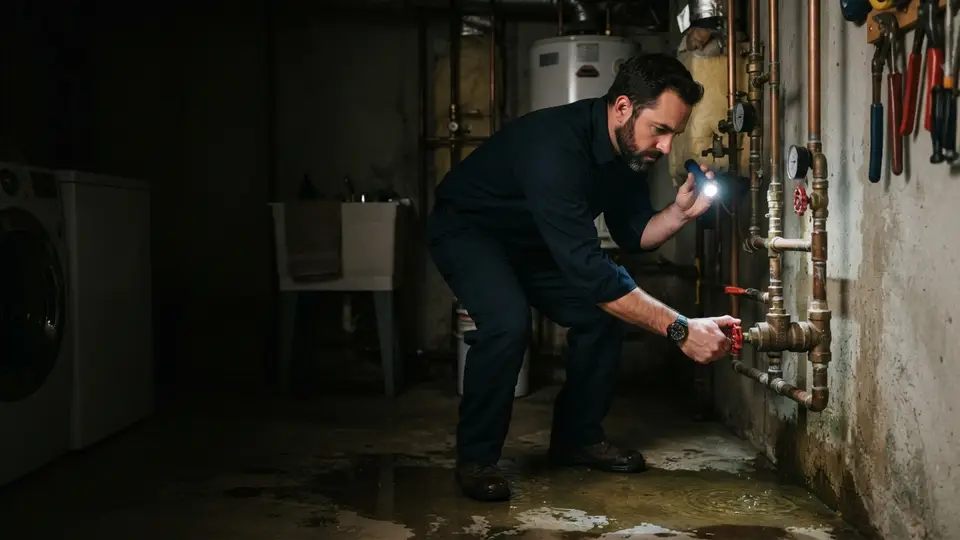
Burst pipe
First step: Close the main shutoff
What we do: Repair and check nearby pipe
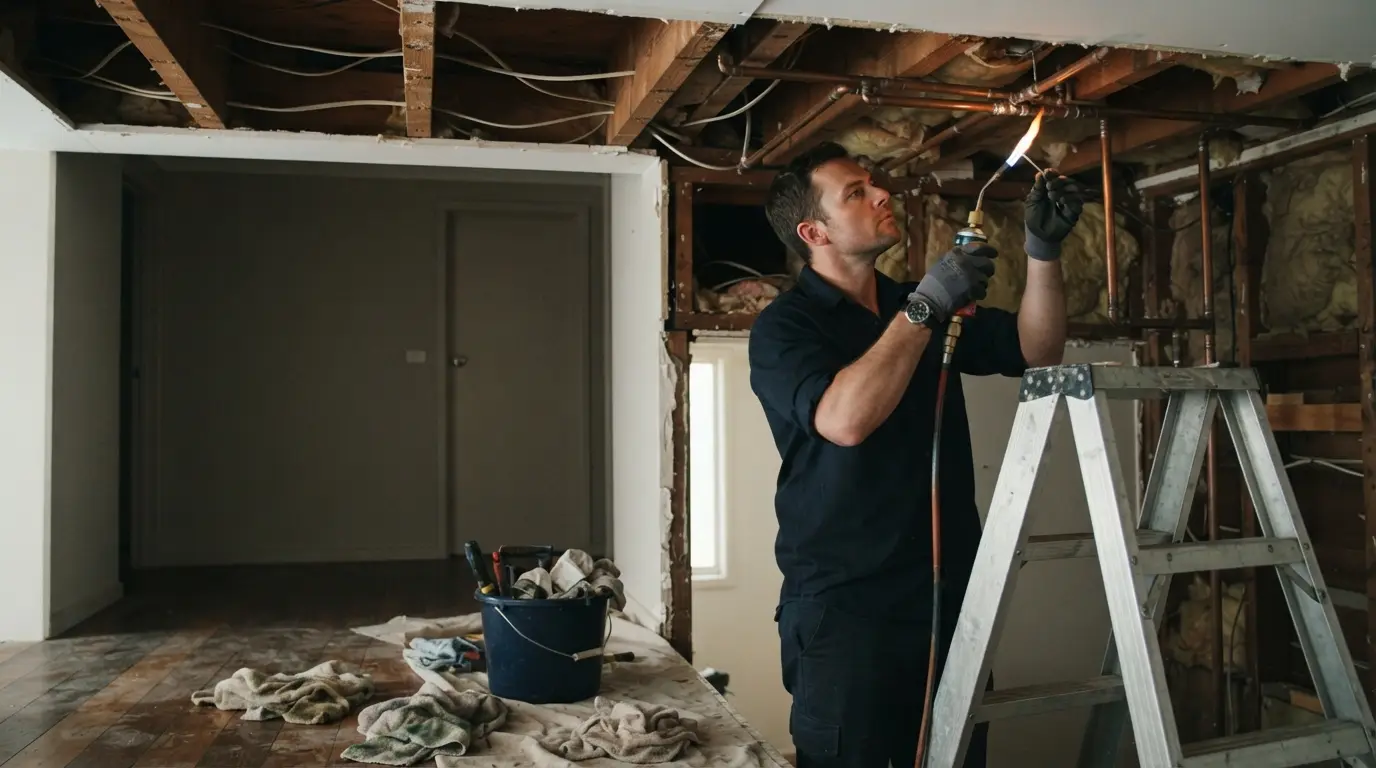
Pipe burst in a rare freeze, or sewage at the cleanout after the storm? We handle emergency plumbing in Louisiana and put urgent problems ahead of routine work. Louisiana emergencies often come with the weather: hurricanes and heavy rain flood homes and overload sewers, hard freezes split uninsulated pipes, and slab leaks surface without warning. We tell you what to shut off, get our plumber on the way and keep you updated, then stop the damage and fix the cause.
The service
Our Louisiana data counts 1,397,597 homes, 55% of them built before 1980. In New Orleans 74% predate 1980 and in Metairie 69%. Older pipes, sewers and water heaters fail more often, and storms and freezes push every system to its limit.
Louisiana emergencies and first steps
First step: Close the main shutoff
What we do: Repair and check nearby pipe
First step: Stop using water
What we do: Clear the line and find the cause
First step: Close the main, turn off the heater
What we do: Locate and repair or reroute
First step: Leave and call the gas utility
What we do: Repair piping once safe
First step: Close the cold supply
What we do: Repair or replace
First step: Stay clear of electrical hazards
What we do: Restore water, sewer and heaters
Warning signs
Typical cost
Any figure before we see the problem is an estimate only. These factors determine the cost:
You approve a written price before we start the repair.
Get a written price: (833) 733-2357Nights, weekends and holidays cost more.
Pipe repairs differ from sewer or heater work.
Slabs, attics and raised floors take time.
Water heaters and pumps cost more than fittings.
Permanent fixes may need another visit.
Benefits
Water stopped quickly in humid homes.
Gas and sewage dealt with properly.
Temporary and permanent fixes explained.
Photos and notes provided.
Hurricanes Laura and Delta hit Lake Charles (40,742 homes) and Sulphur in 2020, and Ida struck Houma (14,945 homes) and southeast Louisiana in 2021. After a storm, sewers fill with silt, water heaters flood, trees break service lines and gas appliances may be unsafe. We restore water and sewer service, replace flooded heaters and check gas piping before it is used again.
Most Louisiana homes are not built for cold. In a hard freeze like February 2021, pipes in attics, outside walls and under raised floors split, and leaks start when they thaw. Close the main shutoff, open a faucet and call us. We repair the breaks and insulate exposed pipe so the next freeze does less damage.
In New Orleans (195,552 homes), Baton Rouge and other cities, sagging laterals and storms overloading public sewers cause most backups. Stop using water and keep away from the sewage. We clear the line, camera it and recommend a repair or backwater valve where allowed.
Slab homes in Baton Rouge (106,712 homes), Lafayette and Shreveport can develop leaks that suddenly surface through floors. Close the main shutoff and turn off the water heater if the floor is warm. We locate the leak and repair or reroute the line.
A leaking attic water heater can bring a ceiling down. Close the cold supply valve, turn off the breaker or gas and put buckets under the drip. We drain the tank, replace it and check that the drain pan and its line work properly.
A gas smell always comes first. Leave without using switches or phones and call your gas utility or 911 from outside. After the utility has made it safe, we find and repair the leak, pressure test and arrange inspection. Never use gas appliances that sat in floodwater until they are checked.
After storms and freezes, whole systems can lose pressure. If neighbors have no water either, check with your water utility and follow any boil-water notice. If only your home is affected, a pipe or the service line may be frozen or broken. Call us.
In New Orleans 20% of homes are vacant in our data, in Alexandria 18% and in Hammond 20%. Empty houses can leak for days after a freeze or storm. We check, repair and winterize vacant properties for owners and managers.
From Shreveport (90,007 homes) to Lafayette (59,363 homes), we ask what is happening and tell you how to shut off water or gas. We schedule our plumber as soon as we can, putting the most urgent problems first, and keep you updated on timing. On site, we stop the damage, explain the cause and give you a written price before the repair.
Before hurricane season peaks, learn where your main water shutoff and gas valve are and make sure both turn. Test the sump or drain pumps, check your generator and its gas line, and consider a backwater valve if your home has had sewer backups. We can walk through your system and fix weak spots in one visit.
Close the main water shutoff, often near the street meter, where the line enters the house or under a raised home. Turn off the water heater if hot water is leaking. Shut off power to wet areas only if it is safe.
Move valuables, take photos and keep people and pets away from sewage. Then call us.
Emergency repairs may still need a permit, especially for water heaters, gas piping and sewer work. We pull permits once the emergency is under control. Our plumbers are licensed by the State Plumbing Board of Louisiana.
Why choose us
What you can count on every time one of our plumbers comes to your door.
Every job is handled by a plumber who holds the license your state or city requires, backed by liability insurance.
Our plumber explains the problem and the options, and you approve a written price before any work begins.
Burst pipes, sewage backups and failed water heaters get priority scheduling, including nights and weekends.
We pull permits when the job needs one and schedule the inspection, so the work holds up when you sell.
Repairs and installations come with a written warranty on labor, on top of the manufacturer's warranty on parts.
Our pages and plumbers account for your area's water, soil, climate and the age of the homes around you.
Service area
We handle plumbing emergencies in 489 Louisiana communities, including Sulphur (10,195 homes). Find yours:
It depends on the problem, the time and the repair. After we stop active damage, we give you a written price before starting the repair.
Yes, nights, weekends and holidays usually cost more than scheduled visits. We tell you upfront.
Many policies cover sudden water damage but not the plumbing repair, and flood damage is usually separate. Check your policy; we provide documentation.
We ask what is going on, tell you what to shut off and schedule our plumber, with the most urgent calls first. We keep you updated on timing.
Sometimes a temporary repair stops the damage until a permanent fix can be done. We explain both options and costs.
Yes. After stopping the damage, we find the cause and recommend a lasting fix, such as rerouting a slab line or repairing a sewer.
Leave without using switches or phones and call your gas utility or 911 from outside. Call us once the area is safe.
Not until sewer lines, water heaters and gas appliances are checked. Follow any boil-water notice until it is lifted.
We schedule as soon as we can, with the most urgent problems first, and keep you updated while our plumber travels.
Many burst pipes and backups are handled in one visit. Slab, sewer or heater replacements may take longer.
Wrap exposed pipes, open cabinets, drip faucets and keep the heat on. Disconnect garden hoses.
Know your water and gas shutoffs, test pumps and generators and consider a backwater valve if you have had backups.
Check with neighbors and your utility. If only your home is out, a line may be broken. Call us.
Many homes have uninsulated pipes in attics and under raised floors because hard freezes are rare.
Yes. Closing the main shutoff before you leave limits damage if a pipe breaks while you are away.