Meter check
What it shows: Whether water is escaping
Where it helps: First step on every call
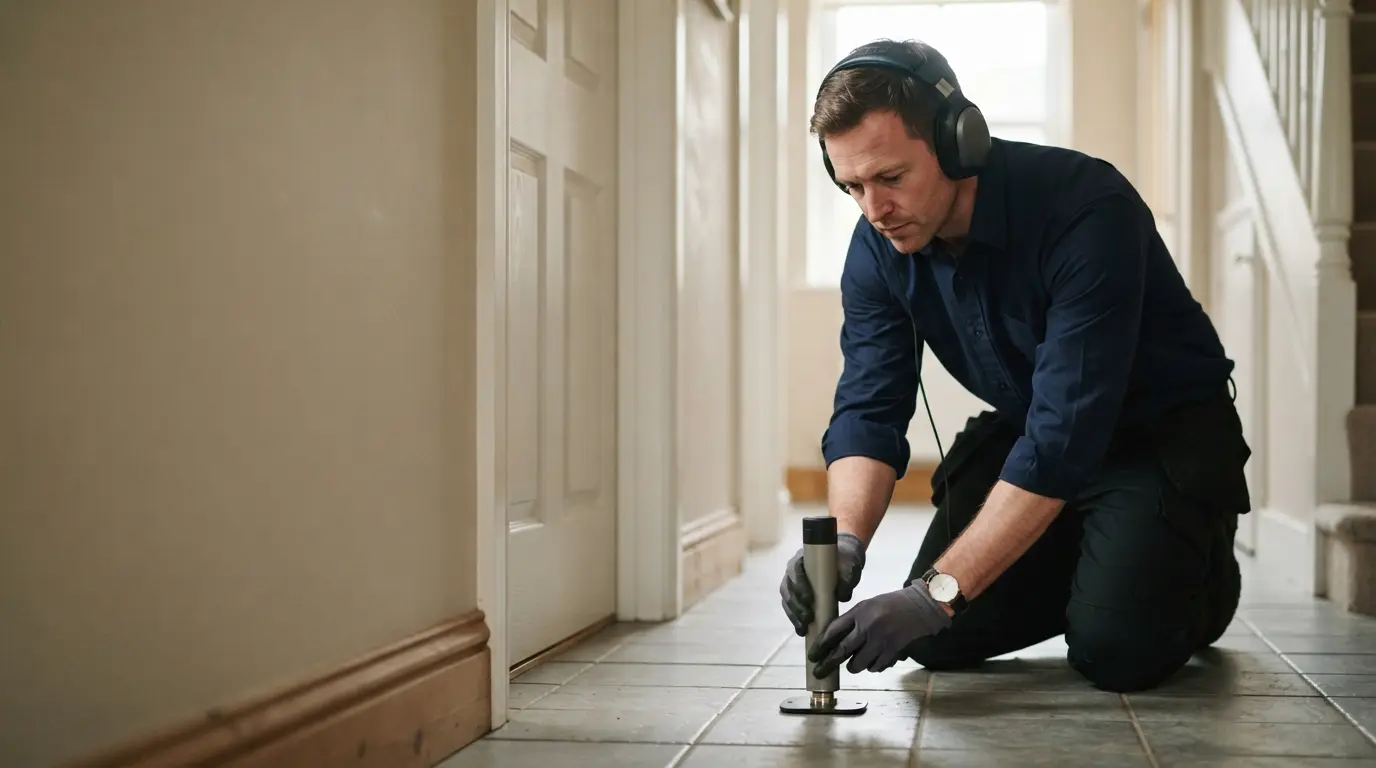
Water bill climbing for no reason, or a pipe that burst in a rare hard freeze? We handle leak detection and repair in Louisiana for homes and businesses. Louisiana leaks hide under slabs, inside walls and beneath raised floors, where humid air and settling ground wear on pipe. Many homes are not built for cold, so a freeze like the one in 2021 can split pipes in attics and crawl spaces. We locate leaks with listening and thermal tools and repair them with as little damage as possible.
The service
Of the 1,397,597 homes in our Louisiana data, 55% were built before 1980, 74% in New Orleans and 69% in Metairie. Older homes have galvanized or early copper lines that leak at joints, while newer slab homes leak under the floor or at fittings in the attic. Finding the exact spot saves a lot of torn-out drywall and flooring.
Our leak detection tools
What it shows: Whether water is escaping
Where it helps: First step on every call
What it shows: Which line is leaking
Where it helps: Hot, cold and service lines
What it shows: Where water is escaping
Where it helps: Slabs, walls and yards
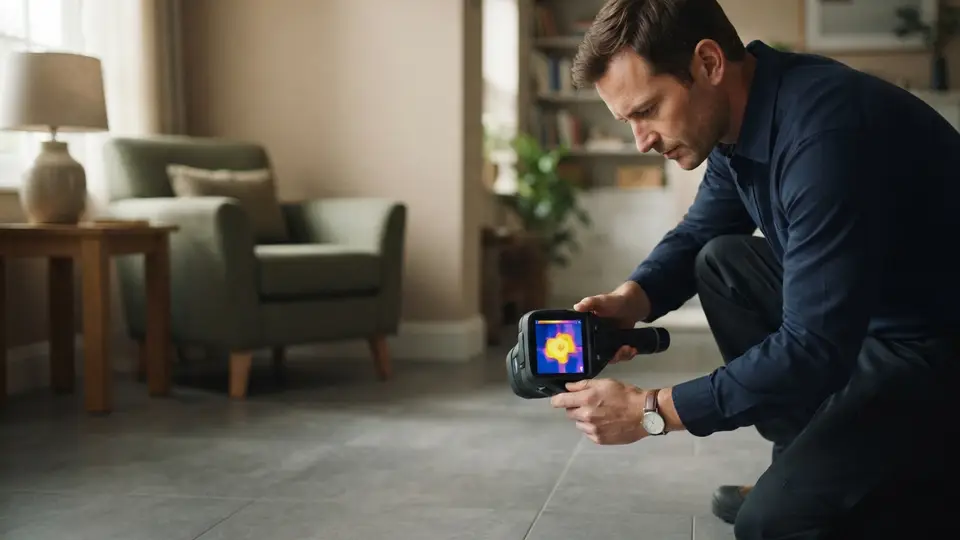
What it shows: Moisture and warm spots
Where it helps: Ceilings, walls and slab hot lines
Why Louisiana
Soft and clay soils move slabs and stress the lines beneath them.
Pipes in attics, outside walls and under raised homes are rarely insulated for cold.
Damp air under houses and in walls corrodes old metal pipe.
Fallen trees and shifting ground break service lines and exterior pipe.
Warning signs
Our process
We confirm water loss at the meter, isolate lines with pressure tests and pinpoint the leak with listening and thermal tools.
We open a small access point, replace the damaged pipe or fitting and test the line before closing.
We shut down the line, cut out the split section, install new pipe and check nearby runs.
We thaw lines with controlled heat, check for cracks and insulate or reroute exposed pipe.
Typical cost
Any figure before we find the leak is an estimate only. The final cost depends on:
You approve a written price before we start.
Get a written price: (833) 733-2357Slabs, attics and finished walls take more work.
Galvanized often needs longer sections replaced.
Freezes can split pipe in several places.
Drywall, flooring or concrete patches add cost.
After-hours visits cost more.
Benefits
We cut only where the leak is.
Hidden leaks stop wasting water.
Humid Louisiana homes need to dry quickly.
Photos and notes for claims.
Hard freezes are rare in south Louisiana, which is exactly why they cause so much damage. During the February 2021 winter storm, many homes had pipes burst in attics, exterior walls and under raised floors. If a hard freeze is forecast, wrap exposed pipes, open cabinet doors, drip faucets and keep the heat on. After the thaw, watch for leaks and call us if water appears.
Many slab homes in Baton Rouge (106,712 homes), Lafayette and Shreveport run supply lines and even the water heater through the attic. A leak there shows up as a ceiling stain or sagging drywall. We trace the leak, repair it, check the water heater drain pan and suggest insulation for attic pipes.
In New Orleans (195,552 homes) and bayou towns, many homes sit on piers with pipes exposed underneath. Old galvanized lines corrode in the humid air, and freezes reach them first. We crawl under the house, find the leak, replace damaged pipe and insulate exposed runs.
Larger buildings hold 31% of homes in Baton Rouge and 24% in Hammond. In stacked units, water travels before it shows, and the source may be in another unit. We trace it and coordinate repairs with owners and managers.
In New Orleans 20% of homes are vacant in our data, in Lake Charles 21% and in Alexandria 18%. Empty homes can leak for weeks unnoticed, especially after storms or freezes. We check and repair vacant properties and can install shutoff valves and leak sensors that send alerts.
Older homes in Shreveport (90,007 homes), Bossier City and other cities may have aging service lines from the meter to the house. Shifting clay or settling soil can crack them. A leak shows as a soggy yard, a sinkhole or a high bill. We locate it acoustically and repair or replace the line.
Hurricanes can break exterior pipes, damage service lines when trees fall and shift houses enough to crack fittings. After a storm, check your meter with everything off. If it moves, call us; we locate the leak and document damage for insurance. If your area is under a boil-water notice after a storm, follow it until the utility lifts it, even after your own leak is fixed.
Close the main shutoff if water is spraying. On slab homes it is often near the street meter or where the line enters the house; on raised homes, under the house. Turn off power to wet areas if you can do it safely.
Move belongings, take photos and never use an open flame to thaw pipes. Then call us.
Many policies cover sudden water damage but not the pipe repair or slow leaks, and flood damage is usually separate. Check your policy. In Lafayette (59,363 homes) and across the state, we provide photos and notes to support claims.
Small repairs usually need no permit, while larger pipe replacements may. We pull permits where required. Our plumbers are licensed by the State Plumbing Board of Louisiana.
Why choose us
What you can count on every time one of our plumbers comes to your door.
Every job is handled by a plumber who holds the license your state or city requires, backed by liability insurance.
Our plumber explains the problem and the options, and you approve a written price before any work begins.
Burst pipes, sewage backups and failed water heaters get priority scheduling, including nights and weekends.
We pull permits when the job needs one and schedule the inspection, so the work holds up when you sell.
Repairs and installations come with a written warranty on labor, on top of the manufacturer's warranty on parts.
Our pages and plumbers account for your area's water, soil, climate and the age of the homes around you.
Service area
We find and fix leaks in 489 Louisiana communities. Find yours:
It depends on how hidden the leak is and the tools needed. We give you a written price for finding it and another for the repair before starting either.
Usually, yes. Pinpointing the leak means one small opening instead of several, which saves on repairs and finishes.
Some policies cover finding the source of covered water damage. Ask your insurer; we provide documentation.
We isolate lines with pressure tests, then use listening equipment and thermal imaging to mark the leak on the floor.
We explain the cause, give you a written repair price and fix it once you approve. Then we pressure test the line.
Often, yes, when the pipe is reachable and parts are on hand. We tell you upfront if it will take longer.
Usually, once water and power to wet areas are off. Watch for sagging ceilings and avoid water near outlets.
Keep the faucet open and use gentle heat like a hair dryer. Never use an open flame. If unsure, call us.
Most leaks are found in an hour or two. Long service lines and multiple freeze breaks take longer.
Many repairs are finished on the same visit. Slab or service line repairs can take a day or more.
Wrap exposed pipes, open cabinets on outside walls, drip faucets and keep the heat on during the cold.
Yes, especially near attic water heaters, washers and in vacant homes. Some shut off the water automatically.
Close the main shutoff and call us. Burst pipes get priority, and we keep you updated on timing.
Many homes have uninsulated pipes in attics, outside walls and under raised floors because hard freezes are rare.
Yes. Falling trees and shifting houses can crack service lines and fittings. Check your meter after a storm.