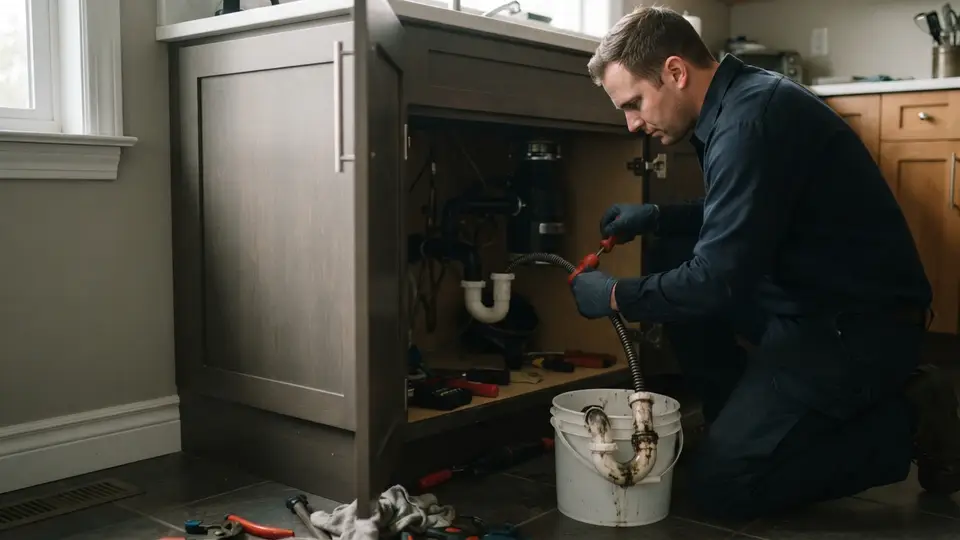
Hand and closet augers
Used for: Sinks, tubs, toilets
What it does: Clears clogs near the fixture
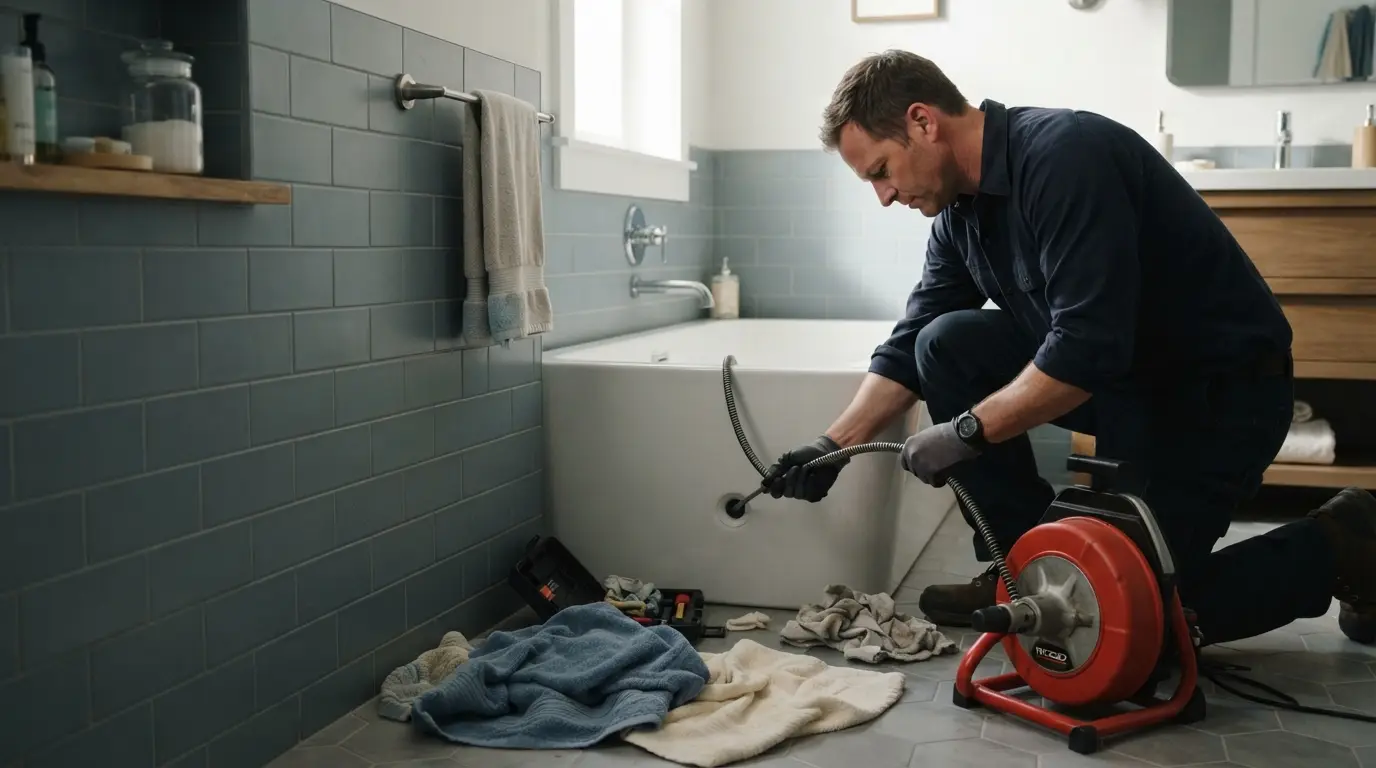
Shower draining slowly, or the kitchen sink backing up again? We handle drain cleaning and clog removal in New Mexico. Our plumbers clear sinks, tubs, showers, toilets, laundry lines and main sewer lines in slab homes, manufactured homes, adobe houses, apartment complexes, restaurants and mountain cabins. New Mexico drains face roots from elms and cottonwoods, mineral scale from hard water, grease from busy kitchens, sand and dust washed in during monsoon storms and drain lines buried under concrete slabs. We clear the line, run a camera through it and show you what caused the clog.
The service
New Mexico has 820,253 homes in our data, and most sit on concrete slabs, so the main drain runs under the floor to a cleanout near the foundation and then to the sewer or septic tank. 44% of homes were built before 1980, when cast iron and clay were still common. Newer homes use ABS or PVC, which resists rust but still collects grease and scale. Knowing where your cleanout sits saves time and cost when a main line blocks.
Drain cleaning equipment we use
Used for: Sinks, tubs, toilets
What it does: Clears clogs near the fixture
Used for: Mains and laterals
What it does: Cuts roots and packed debris
Used for: Grease, scale, sand
What it does: Flushes the pipe wall clean
Used for: Repeat clogs
What it does: Finds roots, breaks and low spots
Why New Mexico
Siberian elms and cottonwoods hunt for water and push roots into any crack in a sewer line.
Hard water leaves deposits that narrow older drain pipes and catch debris.
Fat from chile, tortillas and fried food sets up in kitchen lines.
Dust, sand and dirt from outdoor showers and laundry settle in low spots.
Warning signs
Our process
We find the best access point, usually the outdoor cleanout for a main line, run a cutting head sized to the pipe and flush the line with water to confirm it flows freely.
When a clog returns, our camera locates the root entry, break or sag. We repair that section, often from outside the slab, or recommend lining.
Jetting removes grease, scale and sand that cables leave behind. We check older pipe with the camera first and set the pressure to suit it.
Typical cost
Until we see the line, any figure is an estimate only. Price depends on:
You approve a written price before we begin.
Get a written price: (833) 733-2357One fixture costs less than the main.
A missing or buried cleanout adds work.
Jetting and camera work add to cabling.
Broken or sagging pipe needs repair.
Rural trips and after-hours calls cost more.
Benefits
The pipe is cleaned wall to wall.
Camera video you can keep.
Cleaning, repair or lining, explained.
Roots and scale cut back properly.
In the South Valley, where 66% of homes were built before 1980, and in older Albuquerque neighborhoods (258,178 homes in the city), elms and cottonwoods line yards and ditches. Their roots find clay and cast iron joints in sewer lines. Cabling cuts them back, but they return. We camera the line after cleaning, mark where roots enter and explain whether a spot repair, liner or scheduled cleaning makes the most sense for you.
69% of homes in Roswell and 60% in Clovis were built before 1980. Many have cast iron drains under the slab and clay laterals in the yard. Hard water scale builds up inside the iron, and wind-blown dirt finds its way into outdoor cleanouts without caps. We clear and camera these lines, replace missing cleanout caps and tell you if the pipe under the slab is nearing the end of its life.
Manufactured homes make up 67% of housing in Chaparral and 16% in Farmington. Their drain lines hang under the floor and connect to the sewer or septic through a short riser. Hangers loosen, pipes sag and waste settles in the low spots. Winter cold can freeze a slow drain. We clear the line, re-hang and re-slope the pipe and insulate exposed sections.
Renters occupy 44% of homes in Las Cruces, home to New Mexico State University, and 52% in Portales, home to Eastern New Mexico University. Buildings with five or more units hold 21% of Albuquerque homes. Shared kitchens and bathrooms clog often. We clear lines quickly for landlords and managers and can jet mains between semesters.
52% of homes in Ruidoso and 24% in Taos are vacant on a typical day, many of them cabins and short-term rentals. Traps dry out over long gaps, and a full house of guests can overload a line that sat unused. Lines in cold crawl spaces can freeze. We check drains before ski and summer seasons and clear clogs between bookings.
Stop using water, including the washer and dishwasher. If a toilet is rising, close the valve behind it.
Do not pour chemical drain openers into a blocked line. They seldom clear a main and can burn whoever opens it. Clear a path to the outdoor cleanout and call us.
Clearing a drain needs no permit. Replacing a sewer line or drain section usually does, through your city or the state Construction Industries Division, and we file it. Our plumbers hold the New Mexico licenses each job requires.
Why choose us
What you can count on every time one of our plumbers comes to your door.
Every job is handled by a plumber who holds the license your state or city requires, backed by liability insurance.
Our plumber explains the problem and the options, and you approve a written price before any work begins.
Burst pipes, sewage backups and failed water heaters get priority scheduling, including nights and weekends.
We pull permits when the job needs one and schedule the inspection, so the work holds up when you sell.
Repairs and installations come with a written warranty on labor, on top of the manufacturer's warranty on parts.
Our pages and plumbers account for your area's water, soil, climate and the age of the homes around you.
Service area
We clear drains in 528 New Mexico communities, including Santa Fe (46,608 homes) and Hobbs (16,117 homes). Find yours:
It depends on the drain, access, method and distance. A sink costs far less than a main line, and you approve a written price before we start.
When grease, scale or roots keep closing a line, yes. Jetting cleans the full pipe wall, so the line stays clear longer.
Yes, it is a separate item. On older lines it often saves money because it pinpoints the problem before any digging.
Usually outside near the foundation, often by a bathroom wall, with a capped pipe a few inches above the ground. We can help you find it.
We ask what has happened, open the cleanout, clear the line and flush it, then camera it if the clog has happened before.
Yes. We show you the camera video of roots, scale, breaks or sags and explain what each repair option would do.
We advise against them. They rarely clear a main, can damage older pipe and leave caustic water for whoever opens the line.
Yes. Sewage carries bacteria. Keep people and pets away, avoid contact and stop using water until we clear the line.
A fixture clog usually takes under an hour. A rooted main with jetting and a camera inspection can take a few hours.
We book the earliest time we can and put sewage backups ahead of slow drains. We keep you updated on timing.
Many need it every year or two. If roots return faster, a liner or section repair often costs less over time.
Over years it can. Scale builds inside older pipes and catches debris. Jetting removes it and a softener slows new buildup.
Storm water can wash dirt and sand into open cleanouts or outdoor drains. Keep caps tight and have us flush the line.
Yes. Lines under the floor can sag and freeze. We re-slope and insulate them so waste flows properly year round.
Yes. Dry traps, frozen lines and heavy guest use cause problems. A check before each season prevents mid-stay backups.