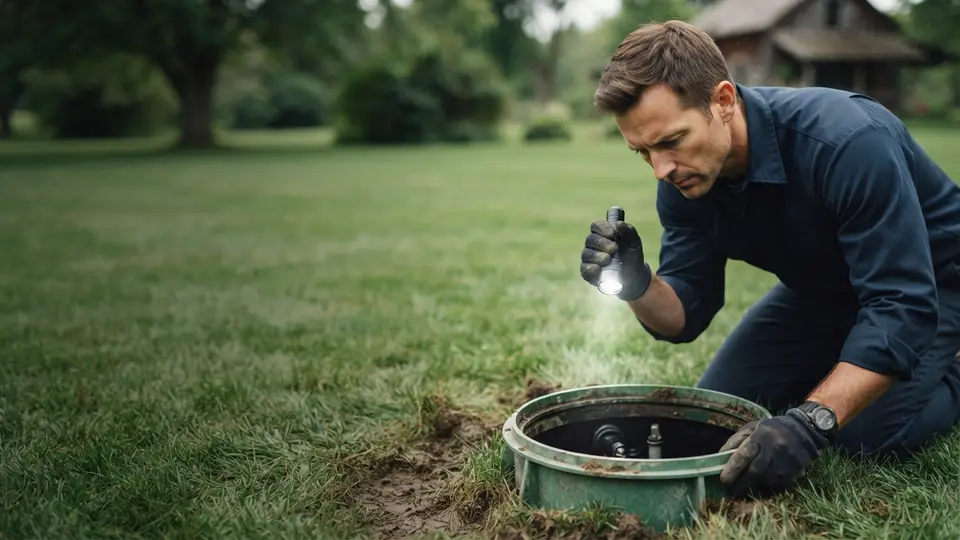
Pumping
When it is needed: Every few years or when solids are high
What we do: Remove sludge and scum, check baffles
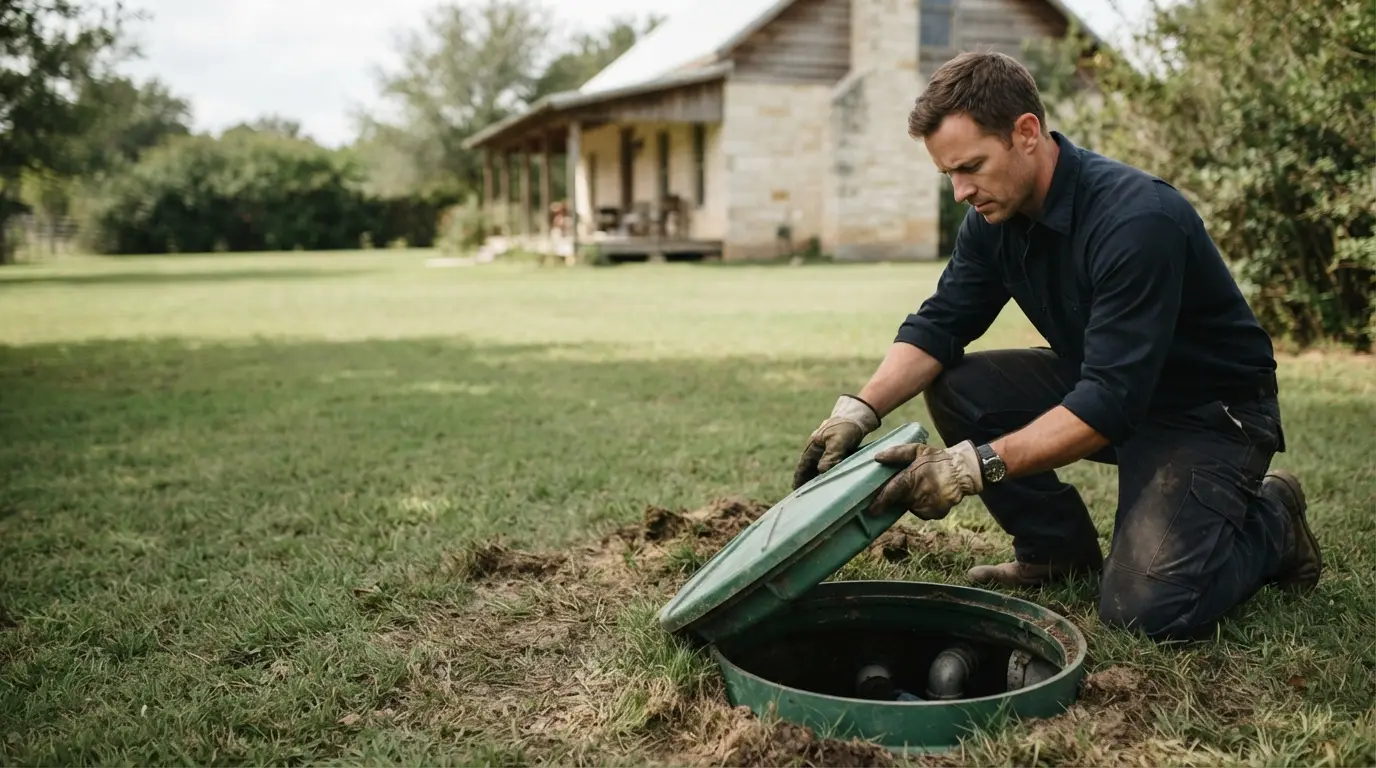
Toilets slow all over the house, or a wet patch over the field? We handle septic tank services in New Mexico. Our plumbers pump and inspect septic tanks, diagnose slow drains and backups, replace baffles, filters and pumps and repair drain fields for homes beyond city sewer lines. Septic is common in the East Mountains, around Santa Fe, in Corrales and the valley villages, across the mountain towns and on rural lots throughout the state. Caliche, rocky slopes, sandy soil and shallow groundwater near the river each affect how a system works, and we follow state rules on every repair.
The service
A septic system holds household waste in a tank, where solids settle, and sends the liquid to a drain field, where it soaks into the soil. In New Mexico the Environment Department permits liquid waste systems. Many homes on septic also draw water from a domestic well. Edgewood (2,413 homes), Eldorado at Santa Fe and much of Corrales rely on onsite systems, and so do rural homes in nearly every county.
Septic services we provide
When it is needed: Every few years or when solids are high
What we do: Remove sludge and scum, check baffles
When it is needed: Home sales, slow drains, odors
What we do: Check tank, levels, field and parts
When it is needed: Broken baffle, filter, pump or lid
What we do: Replace the failed part
When it is needed: Wet ground, surfacing effluent
What we do: Diagnose, repair or replace
Why New Mexico
A hard layer under the field stops water from soaking down, so effluent rises.
Shallow rock on slopes limits field size and absorption.
In the valley, water tables close to the surface leave little room for treatment.
Solids that escape the tank clog the field permanently.
Warning signs
Our process
We locate and open the lids, measure sludge and scum, pump the tank completely and check the baffles and effluent filter. You get a record of the visit.
We inspect the tank and its parts, run a measured flow of water through the system, check the distribution box and probe the field, then give you a written report.
We look for a crushed line, tipped distribution box or clogged filter first. If the field has failed, we work with a permitted designer and the Environment Department on a replacement.
Typical cost
Any figure before we see the system is an estimate only. The main factors:
You get a written price before any work begins.
Get a written price: (833) 733-2357Buried lids take time to uncover.
Baffles, filters and pumps may need replacing.
From a pipe repair to a full replacement.
Hard ground slows excavation.
Rural and mountain locations add travel.
Benefits
Solids stay in the tank where they belong.
Problems are spotted before backups.
A healthy system keeps groundwater cleaner.
Records and reports reassure buyers.
Edgewood, Tijeras and the East Mountains sit on rocky ground at high elevation, and propane heats 16% of Edgewood homes. Eldorado at Santa Fe, where the median home dates from 1993, and the subdivisions around Santa Fe also rely on septic. Many lots have limited soil over rock. We pump, inspect and repair these systems and protect lines and tanks from frost in winter.
In Corrales, Los Lunas, Belen and the villages of the Middle Rio Grande Valley, groundwater sits close to the surface near the river and acequias. Manufactured homes make up 15% of Belen housing and many sit on lots with older systems. A high water table limits how well a field treats waste. We check tank levels and field condition and advise on advanced treatment units where the site calls for one.
Chaparral, where manufactured homes make up 67% of housing and propane heats 25% of homes, and other communities along the Texas border have many homes on septic. Sandy soil drains fast, which means less treatment before water reaches the aquifer. We service tanks and fields and help owners understand what upgrades the state may require.
78% of Angel Fire homes, 52% of Ruidoso homes and 24% of Taos homes are vacant on a typical day. A septic system at a cabin goes quiet for weeks, then takes the load of a full house of guests. In winter, shallow lines can freeze. We pump before the busy season, check pumps and alarms after long gaps and insulate exposed parts.
When a New Mexico home with a septic system changes hands, buyers, lenders and state rules often call for an inspection. A clear report helps a sale move forward and tells the buyer what maintenance to expect. We inspect the tank and field, note any repairs needed and give you a written report. Check with the Environment Department for current requirements in your area.
Across rural New Mexico, a domestic well and a septic field often share the same lot. State rules set minimum distances between them, but older properties and small lots may sit close to those limits. A failing field can send bacteria and nitrate toward a shallow well, especially in sandy soil or where groundwater is high near the river. If your system is struggling, we fix the septic problem first and recommend a lab test of your well water afterward.
Cut water use: no laundry or dishwasher, and short showers. Keep vehicles off the field.
Never open or lean into a septic tank. The gases inside can kill. Keep people and pets away from wet areas and call us.
The New Mexico Environment Department permits liquid waste systems, and repairs and replacements need its approval. We work with permitted designers and installers and handle the plumbing between the house and the tank. Our plumbers hold the New Mexico licenses each job requires.
Why choose us
What you can count on every time one of our plumbers comes to your door.
Every job is handled by a plumber who holds the license your state or city requires, backed by liability insurance.
Our plumber explains the problem and the options, and you approve a written price before any work begins.
Burst pipes, sewage backups and failed water heaters get priority scheduling, including nights and weekends.
We pull permits when the job needs one and schedule the inspection, so the work holds up when you sell.
Repairs and installations come with a written warranty on labor, on top of the manufacturer's warranty on parts.
Our pages and plumbers account for your area's water, soil, climate and the age of the homes around you.
Service area
We serve septic homes across 528 New Mexico communities, from Corrales (3,940 homes) to Socorro (3,145 homes). Find yours:
It depends on tank size, lid depth, distance and any repairs. You get a written price before we start.
It needs a site evaluation, a permitted design, Environment Department approval and excavation, often through caliche or rock.
Yes. Risers bring the lids to the surface so future pumping takes less digging and costs less.
We check the tank, baffles, filter, levels and any pump, run water through the system, probe the field and write up the results.
We check the tank level. A high level points to the outlet or field; a normal one points to a clog in the house line.
Sometimes. Crushed pipes, tipped boxes and clogged filters can be fixed. A field clogged with solids usually needs replacement.
Yes. The gases can overcome a person in moments. Keep lids secured and never lean into or enter a tank.
Keep people and pets away, stop using water and call us. Surfacing effluent carries bacteria.
Usually one to two hours, including finding and opening the lids and checking the baffles.
Installation takes a few days. Design and state approval can add several weeks before work begins.
Most households every three to five years. Larger families, small tanks and garbage disposals mean more often.
They do not replace pumping. Regular pumping and keeping grease and wipes out of drains matter far more.
Yes. Caliche blocks water from soaking down, so fields can saturate. Designs must account for it.
Buyers, lenders and state rules often call for one. We inspect and give you a written report. Confirm current rules with the Environment Department.
Yes. Pumping and checking pumps and alarms before heavy guest use helps prevent backups during busy weeks.