Hard limestone water
Much of Kentucky sits on limestone, and the water is hard. Scale clogs fixtures and shortens water heater life. We install softeners and repair scaled equipment.
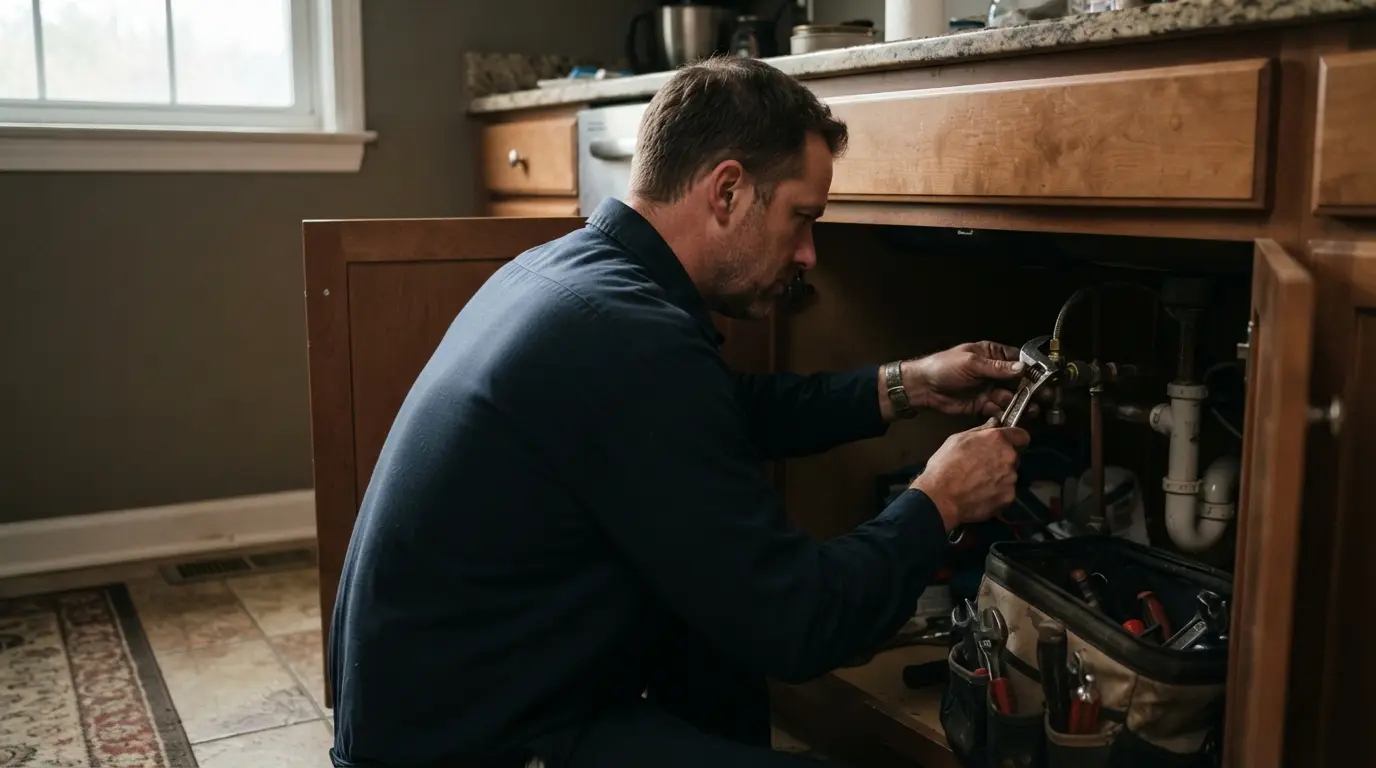
Basement water, a sewer backup or a water heater on its last legs? Our plumbers in Kentucky find the cause and fix it. We work in Louisville neighborhoods and suburbs, Lexington and the Bluegrass towns around it, Northern Kentucky river cities across from Cincinnati, Bowling Green and the karst country of south central Kentucky, western Kentucky river towns and the mountain communities of the east. Kentucky plumbing deals with limestone water, sinkholes, Ohio River flooding and a lot of older housing. Here is what we fix and where.
Plumbing in Kentucky
The Census places in our data are home to 2,703,555 Kentuckians in 1,215,352 homes across 555 communities. 54% of those homes were built before 1980. Northern Kentucky river towns are among the oldest: 91% of homes in Bellevue and 75% in Covington predate 1980, as do 87% in Shively and 77% in Ashland. Growth around Lexington and Louisville is newer, with median build years of 2001 in Georgetown and 2002 in Mount Washington.
Kentucky homes split almost evenly between electric heat (49%) and utility gas (48%), so electric water heaters are common. Renters occupy 41% of homes statewide, 63% in Bowling Green and 62% in Richmond, both university towns.
Counts from the U.S. Census Bureau 2024 Gazetteer.
Explore our servicesWhat our plumbers see
Much of Kentucky sits on limestone, and the water is hard. Scale clogs fixtures and shortens water heater life. We install softeners and repair scaled equipment.
Sinkholes and caves under south central and central Kentucky can stress sewer and water lines. We repair breaks and plan excavation with care.
Ohio River towns and mountain valleys flood, and heavy rain raises groundwater. We install and repair sump pumps and backwater valves.
Older Louisville and Northern Kentucky neighborhoods have clay and cast iron laterals and sewers that also carry storm water. We camera, clean and replace them.
With nearly half of homes heated by electricity, electric water heater elements and thermostats are frequent repairs.
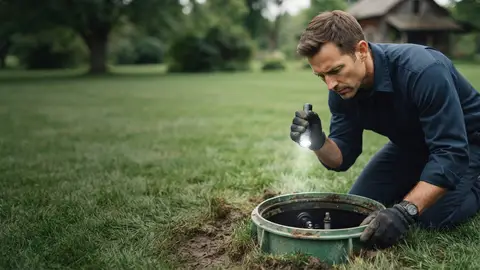
Rural Kentucky homes use wells, some cisterns and septic systems. We service pumps, pressure tanks and septic systems.
Our services
Each service page describes how we handle that work for Kentucky homes and businesses.
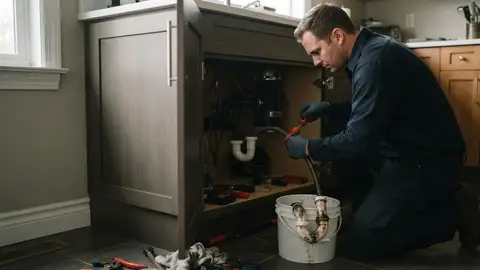
Sewer Line Repair & Replacement

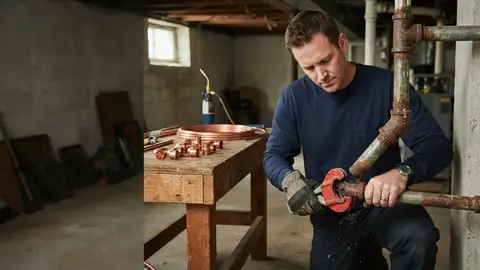
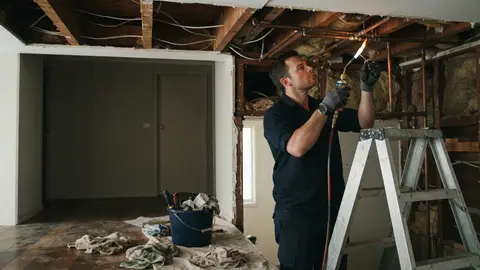
Repiping & Water Line Replacement
Gas Line Repair & Installation
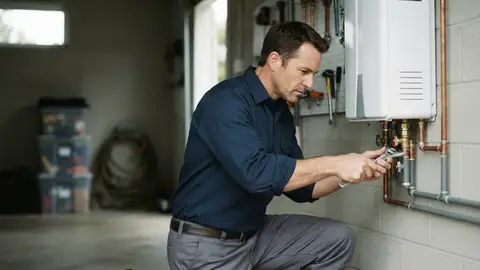
Water Heater Repair & Replacement
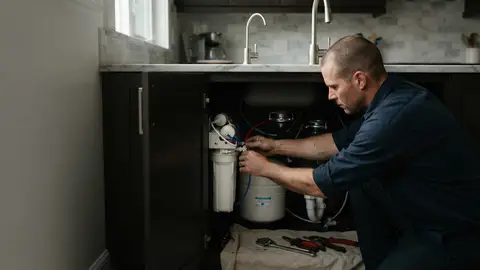

Toilet, Faucet & Fixture Repair
Sump Pump Repair & Installation
Across the state
Homes and main places: Louisville (289,095 homes), Jeffersontown, Shively, Mount Washington
What our plumbers see: Combined sewers, older laterals, river flooding
Homes and main places: Lexington (148,959 homes), Georgetown, Nicholasville, Frankfort
What our plumbers see: Hard water, karst, fast-growing suburbs
Homes and main places: Covington (21,048 homes), Florence, Independence, Bellevue
What our plumbers see: Very old housing, hillside laterals
Homes and main places: Bowling Green (33,481 homes), Elizabethtown, Radcliff
What our plumbers see: Sinkholes, student and military rentals
Homes and main places: Owensboro (27,274 homes), Paducah, Henderson, Murray
What our plumbers see: River flooding, older housing
Homes and main places: Ashland, Pikeville, Paintsville, Hazard
What our plumbers see: Mountain flooding, wells, aging mains
Kentucky licenses plumbers statewide through the Division of Plumbing in the Department of Housing, Buildings and Construction, and the Kentucky State Plumbing Code applies across the state. Our Kentucky work is done by plumbers holding the state licenses the work requires.
Plumbing permits and inspections are handled by the state or by local programs, depending on where you live. Water heater replacement, repiping, sewer and water line work and new fixtures usually need a permit. We pull the permit and schedule the inspection.
Louisville and Northern Kentucky draw treated water from the Ohio River, Lexington from the Kentucky River and other sources, and many smaller systems use lakes, rivers or wells. Water in the Bluegrass and karst regions is generally hard. Rural homes may rely on wells or cisterns; test well water regularly, since karst groundwater can be affected quickly by what happens at the surface.
Homes beyond sewer use onsite systems permitted through local health departments under state rules. Karst ground, steep slopes and shallow soils in parts of the state make septic design harder. Confirm requirements locally; we handle permits on repairs we perform.
Bowling Green (33,481 homes) sits in some of the most sinkhole-prone ground in the country, close to the cave systems of south central Kentucky, and much of the Bluegrass is karst too. Water moving through limestone can open voids under yards and slabs. Sewer lines may sag or break where the ground settles. We camera lines, plan excavation carefully and choose bedding that reduces future settling.
Covington, Newport and Bellevue have rows of 1800s and early 1900s houses on steep streets above the Ohio. Ashland, Paducah (68% built before 1980) and Owensboro have large older neighborhoods too. We often find galvanized supply, cast iron stacks, clay laterals and old basement drains tied into combined sewers. We repipe in stages, replace laterals and add backwater valves.
Larger buildings hold 30% of homes in Bowling Green and 31% in Richmond, and renters occupy 58% of homes in Murray and 67% in Morehead. Near Fort Knox, 50% of Radcliff homes are rented. We handle repairs and turnovers for owners and managers; tenants should report problems to the landlord, who arranges our visit.
In the mountain counties, homes sit in narrow valleys along creeks that rise fast in heavy rain, as the 2022 floods showed. Many homes rely on wells or small water systems, and vacancy is high in some towns: 23% of homes in Paintsville and 26% in Cumberland are vacant in our data. We repair flood-damaged plumbing, service well pumps and winterize empty homes.
Electricity heats 49% of Kentucky homes, including 84% in Richmond and 76% in Radcliff. In these homes, electric water heaters carry the hot water load. We replace elements and thermostats, install new tanks and heat pump water heaters, and check that circuits match the heater.
Manufactured homes make up 3% of Kentucky housing in our data, 9% in Radcliff and 7% in Henderson. Supply lines under the floor freeze when skirting or heat tape fails. We repair lines, replace heat tape and connect homes to water, wells and septic.
Service area
Our largest Kentucky service areas by population:
Every Kentucky place in our data, grouped by county:
Adair County
Allen County
Anderson County
Ballard County
Barren County
Bath County
Bell County
Boone County
Bourbon County
Boyd County
Boyle County
Bracken County
Breathitt County
Breckinridge County
Bullitt County
Butler County
Caldwell County
Calloway County
Campbell County
Carlisle County
Carroll County
Carter County
Casey County
Christian County
Clark County
Clay County
Clinton County
Crittenden County
Cumberland County
Daviess County
Edmonson County
Elliott County
Estill County
Fayette County
Fleming County
Floyd County
Franklin County
Fulton County
Gallatin County
Garrard County
Grant County
Graves County
Grayson County
Green County
Greenup County
Hancock County
Hardin County
Harlan County
Harrison County
Hart County
Henderson County
Henry County
Hickman County
Hopkins County
Jackson County
Jefferson County
Jessamine County
Johnson County
Kenton County
Knott County
Knox County
Larue County
Laurel County
Lawrence County
Lee County
Leslie County
Letcher County
Lewis County
Lincoln County
Livingston County
Logan County
Lyon County
Madison County
Magoffin County
Marion County
Marshall County
Martin County
Mason County
McCracken County
McCreary County
McLean County
Meade County
Menifee County
Mercer County
Metcalfe County
Monroe County
Montgomery County
Morgan County
Muhlenberg County
Nelson County
Nicholas County
Ohio County
Oldham County
Owen County
Owsley County
Pendleton County
Perry County
Pike County
Powell County
Pulaski County
Robertson County
Rockcastle County
Rowan County
Russell County
Scott County
Shelby County
Simpson County
Spencer County
Taylor County
Todd County
Trigg County
Trimble County
Union County
Warren County
Washington County
Wayne County
Webster County
Whitley County
Wolfe County
Woodford County
How it works
We ask what is happening, the age of the house and whether to shut off water or gas right away.
Burst pipes, sewer backups and gas smells come before routine work.
A camera, pressure test or leak locator shows what is wrong before we quote.
We explain the options, and nothing starts until you agree.
The work is tested, and we schedule the inspection when a permit is required.
Have a plumbing problem in Kentucky?
Call Expert Plumber Now and tell us what is happening. We’ll send a licensed plumber.
Pricing
We price each job after we see it. These factors matter most:
Galvanized, cast iron and clay often need replacing.
Limestone and voids slow digging.
Hillside lots and tight crawl spaces take longer.
Wells and septic add parts and travel.
Fees vary by location.
Evening and weekend calls cost more.
You get a written price before work starts.
Season by season
Cold snaps freeze crawl space pipes; open cabinets, drip faucets and check heat tape.
Heavy rains and river rises flood basements; test the sump pump and backup.
Storms knock out power and pumps; keep gutters and discharge lines clear.
Disconnect hoses, drain outdoor faucets and flush the water heater.
Why choose us
What you can count on every time one of our plumbers comes to your door.
Every job is handled by a plumber who holds the license your state or city requires, backed by liability insurance.
Our plumber explains the problem and the options, and you approve a written price before any work begins.
Burst pipes, sewage backups and failed water heaters get priority scheduling, including nights and weekends.
We pull permits when the job needs one and schedule the inspection, so the work holds up when you sell.
Repairs and installations come with a written warranty on labor, on top of the manufacturer's warranty on parts.
Our pages and plumbers account for your area's water, soil, climate and the age of the homes around you.
Our plumber looks at the problem, pipe material, access and any permit, then gives you a written price. Nothing begins until you approve it.
They can. Limestone and karst voids slow excavation and may require extra bedding. We explain any added cost before starting.
We ask what is going on, tell you what to shut off and schedule our plumber, with burst pipes, backups and gas odors first. We keep you updated on timing.
Yes. We pull the required plumbing permit and schedule the state or local inspection.
Leave without using switches or phones and call your gas utility or 911 from outside. We repair the piping once it is safe.
A like-for-like replacement usually takes a few hours. Changing fuel, size or location takes longer and may need inspection.
Keep heat on, open cabinets on outside walls, drip faucets on the coldest nights and check heat tape in crawl spaces.
Stay away from water near electrical equipment, stop using water if the sewer is backing up and call us. Flooding gets priority scheduling.
Yes. Our Kentucky work is done by plumbers licensed through the state Division of Plumbing.
Water in much of Kentucky, especially the Bluegrass and karst areas, is hard. We test before recommending a softener.