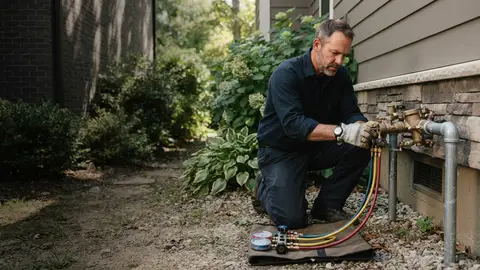
Restaurants and food service
Common work: Grease traps and interceptors, kitchen line jetting, floor sinks, gas hookups
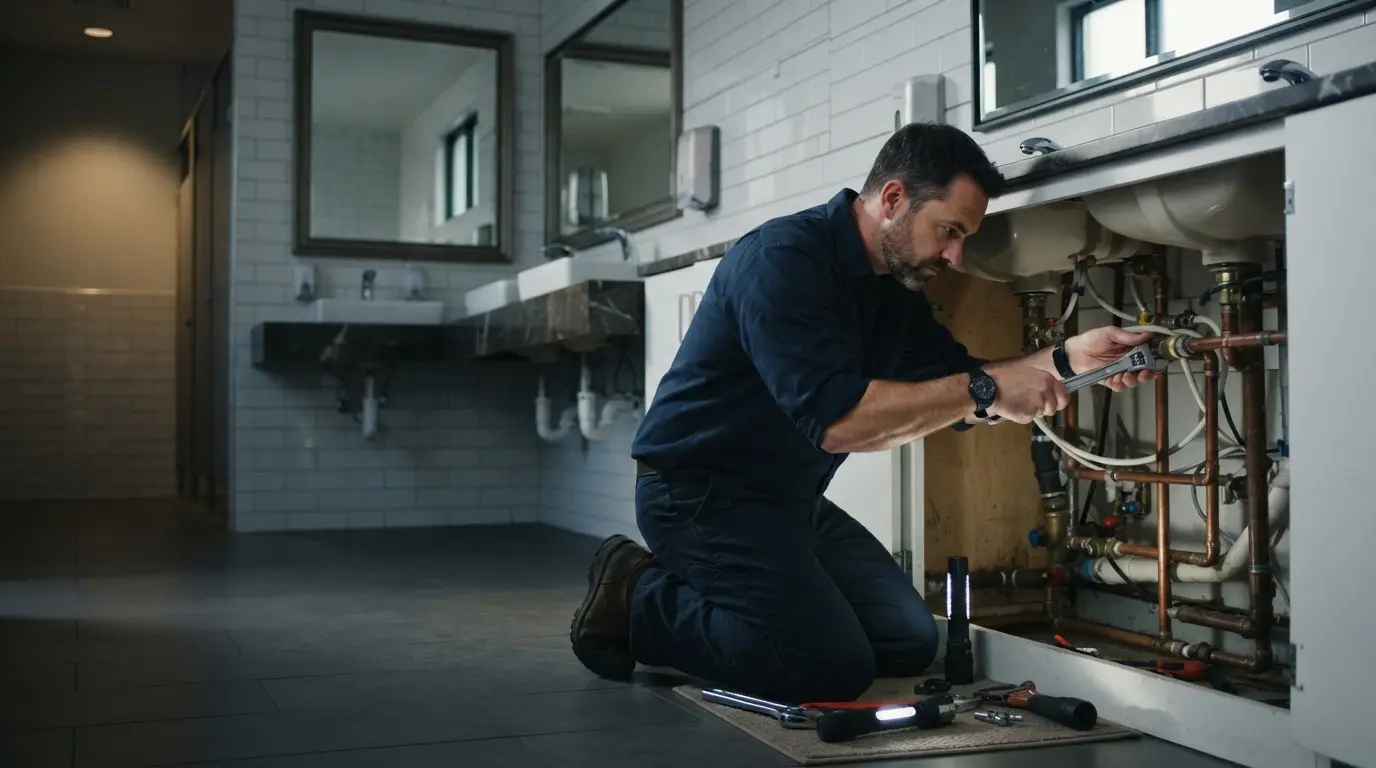
Kitchen drains backing up, or a leaking riser? We provide commercial plumbing in Connecticut for restaurants, offices, retail and apartments. Connecticut commercial buildings are often old: brick mill buildings, downtown blocks and Victorian multifamilies converted to offices and apartments, with original cast iron and steel piping. Add grease rules, backflow programs, boiler systems and hard winters, and maintenance matters. We handle repairs, planned maintenance and renovations, scheduled around your business. Here is what we do.
The service
We work for business owners, tenants responsible for their spaces, landlords, property managers, condo associations and facility staff. Our work covers repairs, preventive maintenance, equipment replacement and plumbing for tenant fit-outs.
Who we serve
Common work: Grease traps and interceptors, kitchen line jetting, floor sinks, gas hookups
Common work: Restroom fixtures, water heaters, backflow, leak repair, freeze protection
Common work: Stacks, risers, boilers and indirect water heaters, unit shutoffs
Common work: RPZ backflow, specialty sinks, mixing valves
Common work: Restroom groups, old piping replacement, water heaters
Why Connecticut
Downtown Hartford, New Haven, Bridgeport and Waterbury and many mill towns have commercial buildings far older than the median home. Hartford's median home dates from 1951. Original cast iron stacks and galvanized risers corrode, and old valves fail when they are finally needed.
Restaurant grease builds up in kitchen lines and sewer connections. Municipal sewer authorities expect grease traps and interceptors to be maintained, and some require records.
Renters occupy 72% of New Haven homes and 64% of New London homes. Mixed-use buildings with a restaurant downstairs and apartments above share drains and water services.
Storefronts and offices closed over holidays, with heat turned down, freeze in exterior walls, vestibules and sprinkler branches.
Warning signs
Our process
We jet kitchen lines, repair and replace grease traps and interceptors, fix floor sinks and indirect waste and connect gas cooking equipment. Cleaning is scheduled outside service hours and records are kept for inspectors.
We repair flush valves and fixtures, replace water heaters, find leaks, test backflow and protect freeze-prone pipes.
We clear stacks, replace riser and unit shutoffs, service indirect water heaters fed by building boilers and handle turnovers, coordinating access and notices with management.
Typical cost
We give a written price before work starts, and a written scope for larger jobs.
Get a written price: (833) 733-2357Older systems and more fixtures mean more work.
Evening or early work avoids closures.
Grease, backflow and accessibility rules add scope.
Ceilings, shafts and occupied units take planning.
Commercial heaters, interceptors and RPZ devices cost more.
Benefits
Scheduled jetting and testing prevent breakdowns during business.
Grease and backflow records stay organized.
Leaks and running fixtures add up across many units.
Planned protection avoids winter disasters.
Old Connecticut mill buildings converted to apartments, offices and studios often have a mix of original industrial piping and newer work added in stages. Long horizontal runs, shared risers and limited cleanouts make them harder to service. We map the system as we work, add cleanouts and shutoffs where they are missing, and plan pipe replacement in phases that keep tenants in service.
We identify the pipes most at risk in your building, such as those in exterior walls, vestibules, loading areas and above unheated spaces, and add insulation, heat cable where appropriate, low-temperature alarms and automatic shutoff valves. Before long closures, we can walk the building with your staff to set it up for a cold snap.
Many Connecticut buildings make hot water from a central boiler through an indirect tank or a tankless coil, while others use commercial gas or electric heaters. Restaurants and apartment buildings need large amounts at once. We size systems to the real peak, install mixing valves where water must be tempered, set up recirculation and keep sediment from cutting capacity.
When a space changes use, such as an office becoming a café or a retail unit adding a salon, the plumbing must change with it. We rough in restroom groups, break rooms, mop sinks, floor drains, grease interceptors and water heaters from approved plans, coordinate with your contractor and other trades and pass rough and final inspections. Changes of use can bring fixture count, accessibility and grease requirements, which are settled during plan review with the town.
In condominiums, the association usually owns the common risers, mains and building drains, while owners are responsible for their unit fixtures. When a leak or backup crosses that line, clear documentation matters. We trace the source, photograph it and note whether it came from a common pipe or a unit fixture, which helps the board and owners sort out responsibility and insurance.
Upper floors of older multistory buildings can suffer weak pressure, especially with corroded risers. We test pressure on each floor, replace restricted piping and, where needed, work with your engineer on booster pumps and the backflow protection they require.
Make sure staff know where the main shutoff, riser valves and gas shutoffs are. For a backup, stop using affected fixtures and post signs. For a gas odor, evacuate and call the utility from outside.
Have keys to mechanical rooms and tenant spaces, cleanout and interceptor locations, and the name of the person who can approve work ready when we arrive.
Commercial plumbing in Connecticut follows the state building and plumbing codes with permits from the town building official, while grease programs are run by sewer authorities and backflow programs by water utilities. Our plumbers hold the Connecticut licenses required for commercial work, our backflow testers are certified, and we handle permits and inspections.
Why choose us
What you can count on every time one of our plumbers comes to your door.
Every job is handled by a plumber who holds the license your state or city requires, backed by liability insurance.
Our plumber explains the problem and the options, and you approve a written price before any work begins.
Burst pipes, sewage backups and failed water heaters get priority scheduling, including nights and weekends.
We pull permits when the job needs one and schedule the inspection, so the work holds up when you sell.
Repairs and installations come with a written warranty on labor, on top of the manufacturer's warranty on parts.
Our pages and plumbers account for your area's water, soil, climate and the age of the homes around you.
Service area
We serve businesses in 215 Connecticut places, from Stamford (58,655 homes) and Bridgeport to Waterbury. Choose yours:
By scope, equipment, access, code and authority requirements and scheduling. You get a written price first, and a written scope and schedule for larger projects.
Yes, but it often costs less than closing during business hours. We discuss both options so you can choose.
Trap or interceptor size, how full it is, access and service frequency. Regular scheduled pumping usually costs less than emergency cleanouts.
Yes. We schedule disruptive work before opening, after closing or in slow periods, and tell you in advance what will be out of service.
Yes. We keep grease, backflow and repair records and send copies when an inspector, landlord or auditor asks.
Yes. We follow approval limits, coordinate tenant access and send invoices with unit numbers, photos and notes.
Evacuate, avoid switches and equipment and call the gas utility from outside. We repair the leak once the utility makes it safe.
Yes. Stop using affected fixtures, protect food areas and call us. Contaminated areas must be cleaned before service resumes.
Often a day. Larger systems or boiler-fed tanks take longer, and we plan to keep downtime short.
Most flush valve and fixture repairs are finished on the first visit with parts we carry.
It depends on size and kitchen volume, and your sewer authority may set a schedule. Busy kitchens often need frequent service.
Keep heat at a safe level, add low-temperature alarms and shutoff valves, and have us check freeze-prone areas beforehand.
Call us. A building without a working restroom is urgent and gets priority scheduling.
Generally yes, under local sewer authority rules that set sizing, maintenance and record keeping.
Most do. Water utilities require testable devices to be checked by a certified tester on a set schedule.