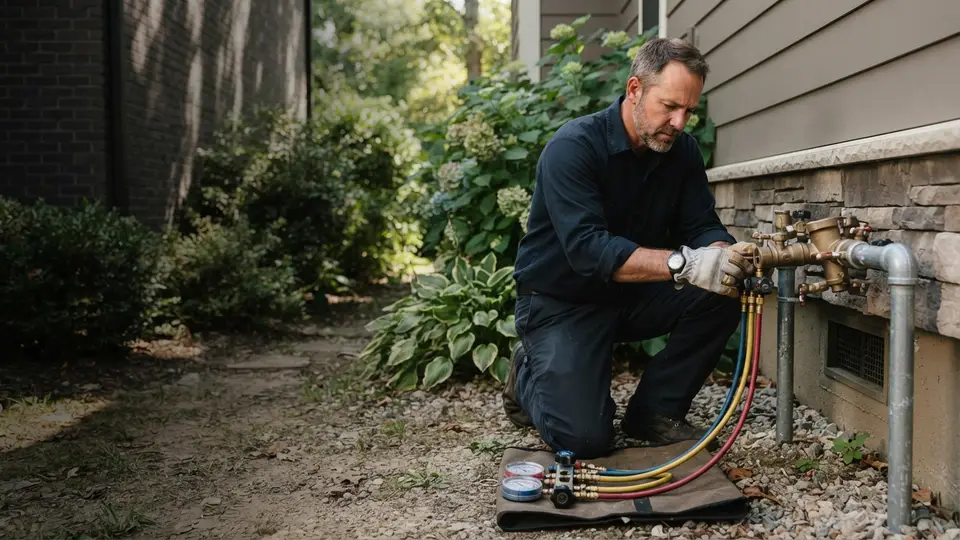
Reduced pressure zone (RP)
Where used: High-hazard uses: medical, chemical, some commercial
Notes: Strongest protection; needs drainage for relief discharge
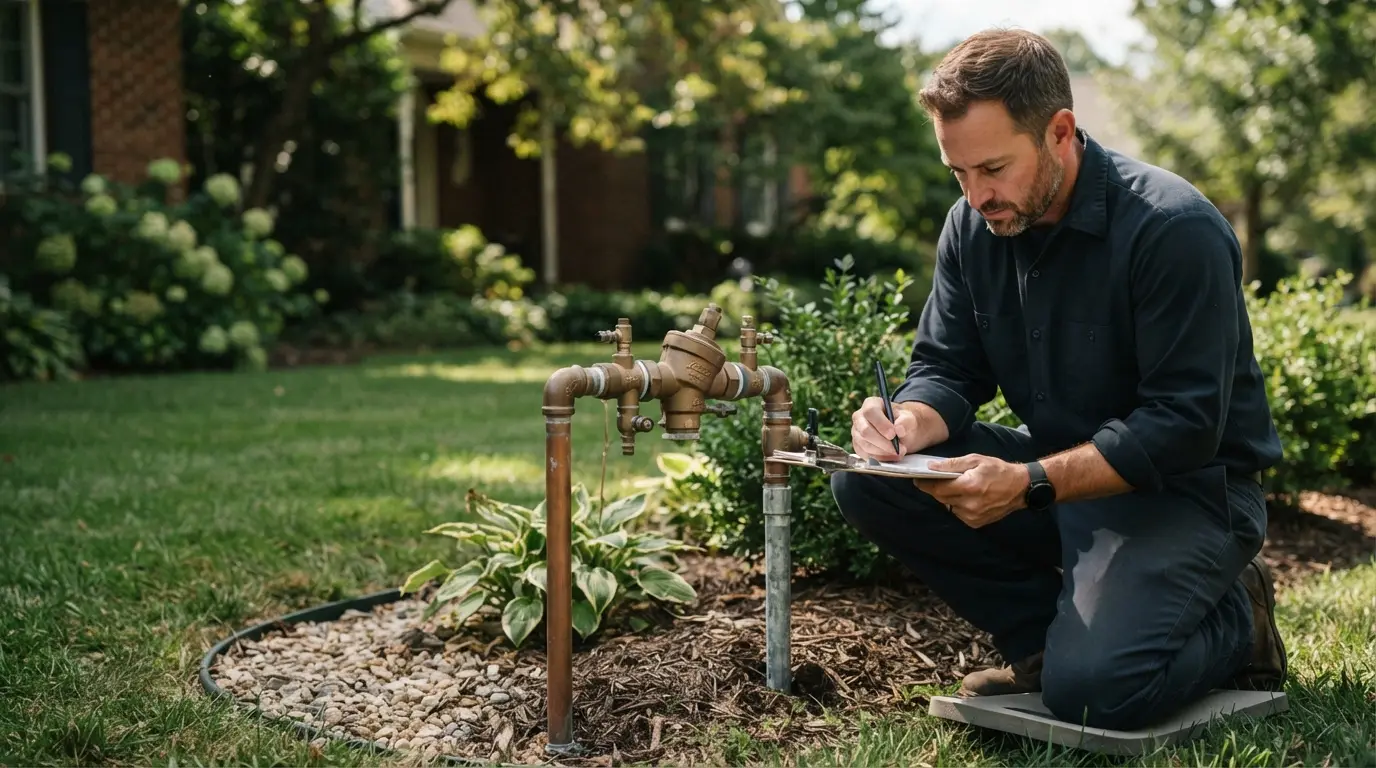
Test notice from the water department, or a leaking device by the meter? We do backflow testing and prevention in Hawaii for homes, condos and businesses. County water suppliers on every island run cross-connection control programs that require certain properties to have an approved backflow preventer and to test it on schedule. Irrigation systems, fire sprinklers, restaurants, medical offices and buildings with booster pumps are common examples. We test, install and repair devices and send results where they need to go.
The service
Backflow happens when water flows the wrong way, from a building or irrigation system back into the public supply. A pressure drop in the main, such as a main break or firefighting, can pull water back, and a booster pump or elevated tank can push it back. A backflow preventer is a valve assembly that stops it. In Hawaii the county water suppliers, such as the Honolulu Board of Water Supply and the water departments of Maui, Hawaii and Kauai counties, decide which properties need one and how often it must be tested.
Common backflow devices
Where used: High-hazard uses: medical, chemical, some commercial
Notes: Strongest protection; needs drainage for relief discharge
Where used: Fire sprinklers, lower-hazard commercial
Notes: Compact; often in a meter box or vault
Where used: Irrigation systems
Notes: Installed above the highest sprinkler head
Where used: Outdoor faucets
Notes: Simple, low-cost protection at the hose
Why Hawaii
Devices in damp boxes and near the coast corrode at bolts, test cocks and housings.
Sand, scale and debris after main work lodge in check valves so they no longer seal.
Above-ground devices for irrigation sit in strong sun, which ages rubber parts.
Rubber checks and springs wear with time, which is why yearly testing catches problems early.
Warning signs
Our process
Our certified tester connects a test kit to the device, checks each valve and relief opening against required values, records the results and submits the report to your water supplier where required.
We install the device type your supplier requires, in a location that allows testing and drainage, with a permit and inspection.
When a device fails, we rebuild it with new checks, seals and springs, or replace it, then retest to confirm it passes.
Typical cost
You approve a written price before work begins.
Get a written price: (833) 733-2357Testing several at one site costs less per device.
Large RP assemblies take longer to test and rebuild.
A rebuild kit costs less than a new assembly.
Vaults and tight boxes add time.
New installations need county approval.
Benefits
Your building cannot contaminate the public supply.
Missed tests can lead to notices or shutoff.
We submit results where required.
Yearly tests catch worn parts early.
High-rise buildings, which hold 60% of homes in Urban Honolulu and 63% in Waimalu, usually have booster pumps, fire sprinkler systems and sometimes cooling towers, all of which call for backflow protection. We test every device in the building on one visit where we can, keep records for the association and schedule rebuilds before deadlines.
Leeward yards and common areas in places like Kapolei, Mililani Mauka and Kihei (12,155 homes) depend on irrigation. Sprinkler lines can draw in fertilizer, pesticides and standing water, so the supplier often requires a pressure vacuum breaker or other device on the irrigation line. We install, test and repair these and winterize nothing, since freezing is not a concern at most elevations.
Businesses in commercial areas such as Kahului (8,879 homes in the surrounding community) and Hilo often need backflow protection on soda machines, dishwashers, medical equipment and processing lines. A failed test can delay a permit or opening. We test on your schedule, keep copies of every report and send reminders before the next test is due.
Fire sprinkler systems hold stagnant water that should never mix with drinking water. Backflow assemblies on fire lines are tested like other devices, and we coordinate with the fire protection contractor when the sprinkler system must be shut down for repairs.
A backflow preventer at the meter closes the plumbing system, so water that expands as it heats has nowhere to go. Owners often notice a dripping water heater relief valve or banging pipes soon after a new device goes in. The fix is usually a thermal expansion tank at the water heater. We check for this whenever we install a device and add the tank where the system needs it, which also protects fixtures and supply lines.
Some properties have a second water source besides the county main, such as a private well, a catchment tank used for irrigation, or recycled water for landscaping at golf courses, parks and some commercial sites. These supplies must never connect to drinking water piping. Water suppliers usually require the strongest protection at such properties, often an RP assembly at the meter, and inspect for cross-connections. We trace piping, separate any cross-connections we find and install the protection your supplier calls for.
When a space changes from an office to a restaurant, salon or clinic, the hazard level changes and the supplier may require a different device. We review the plans, install the right assembly during the build-out and test it before opening, so the backflow item does not hold up your final inspection.
If an RP device is discharging heavily, check that nothing upstream changed, such as a pump or valve. Do not plug the relief port.
Find your test notice and the device location, and clear access to the meter box. Then call us.
New backflow devices need county plumbing permits and must be types your water supplier approves. Testing is done by certified testers. Our plumbers hold the licenses Hawaii requires, and we pull permits for installations.
Why choose us
What you can count on every time one of our plumbers comes to your door.
Every job is handled by a plumber who holds the license your state or city requires, backed by liability insurance.
Our plumber explains the problem and the options, and you approve a written price before any work begins.
Burst pipes, sewage backups and failed water heaters get priority scheduling, including nights and weekends.
We pull permits when the job needs one and schedule the inspection, so the work holds up when you sell.
Repairs and installations come with a written warranty on labor, on top of the manufacturer's warranty on parts.
Our pages and plumbers account for your area's water, soil, climate and the age of the homes around you.
Service area
We test and install backflow devices in 163 Hawaii communities, from Lihue (2,963 homes) to Hilo. Choose yours:
It depends on the number, size and type of devices and access to them. Testing several at one site lowers the cost per device.
A failed device needs a rebuild or replacement, which adds parts and labor. We price the repair before we do it.
Size, type and location set the price, along with the permit. We confirm what your supplier requires before quoting.
Our certified tester connects gauges to the test cocks and checks each valve and relief opening against required values.
Yes, where the supplier requires it. You also get a copy for your records.
Yes. We schedule a single visit for multiple devices whenever access allows.
Yes. Backflow can draw chemicals, fertilizer or bacteria into drinking water lines.
Water is briefly shut off during the test. Once restored, it is safe to use.
Usually under an hour per device, longer for large assemblies or vaults.
Your water supplier sets the schedule, usually yearly. Check your notice for the deadline.
When it fails a test or shows wear. Many devices go several years between rebuilds.
Use an approved insulated cover or enclosure that keeps test cocks accessible.
Do not plug it. Call us; heavy discharge points to a fault we need to fix promptly.
The county water suppliers, such as the Honolulu Board of Water Supply and the neighbor-island water departments.
Some do, especially with irrigation, fire sprinklers or booster pumps. Your water supplier decides which properties need one.