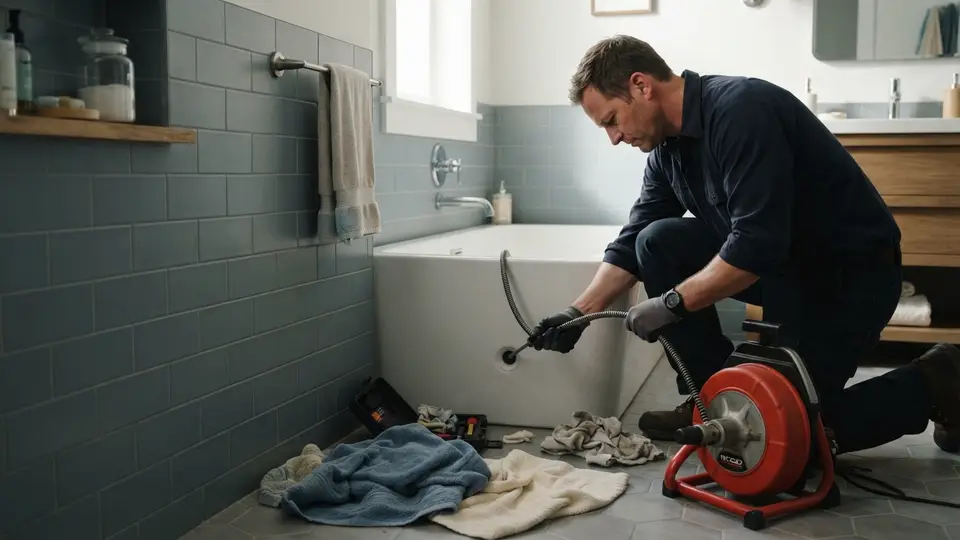
Hand auger
Best for: Sink, tub and toilet clogs near the fixture
What to know: Quick, gentle on older traps
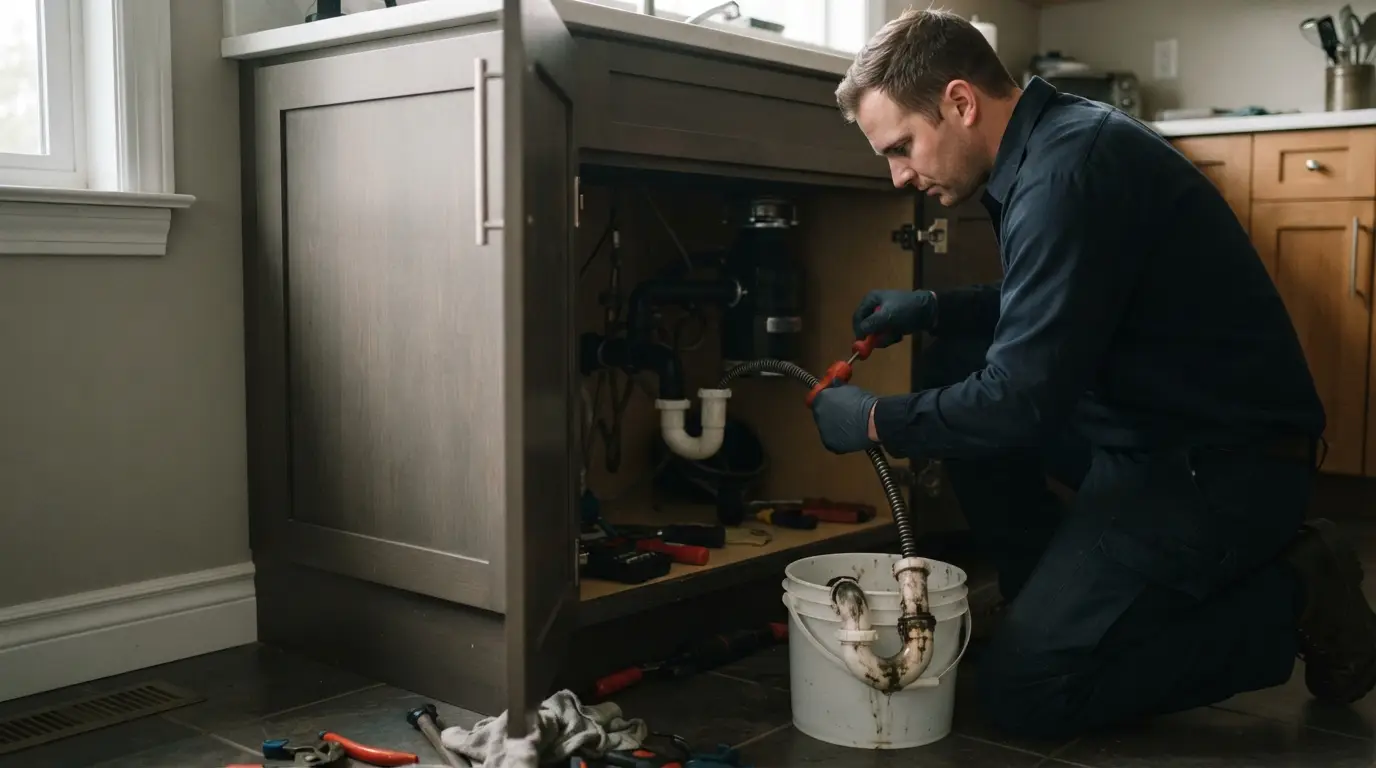
Kitchen sink backing up, or a shower that drains slower every week? We handle drain cleaning and clog removal in Hawaii for houses, condos and businesses. Island drains clog for island reasons: rusted cast iron stacks in Honolulu high-rises, sand tracked in from the beach, rice and cooking grease in kitchen lines, and roots from monkeypod, banyan and plumeria trees working into old sewer laterals. We clear the line, show you what caused it and fix the cause so the clog does not return.
The service
Hawaii has 553,671 homes in our Census data, and 51% of them were built before 1980, when cast iron and galvanized drain pipe were standard. In Urban Honolulu 60% of homes sit in buildings with five or more units, which means shared stacks where one tenant's grease becomes everyone's backup. We match the method to the pipe and the clog.
How we clear drains
Best for: Sink, tub and toilet clogs near the fixture
What to know: Quick, gentle on older traps
Best for: Main lines, roots, hard blockages
What to know: Cuts through roots and packed debris
Best for: Grease, sand, scale in cast iron
What to know: Scours the full pipe wall clean
Best for: Repeat clogs, odors, before jetting old pipe
What to know: Shows breaks, roots and rust before we choose
Why Hawaii
Cast iron rusts from the inside in warm, humid buildings. The rough scale catches grease and paper until the stack narrows to a fraction of its size, common in Honolulu condos from the 1960s and 1970s.
Beach sand rinsed off in outdoor showers, tubs and washing machines settles in traps and low spots. It builds slowly, then stops the line.
Cooking oil hardens in the pipe, and rice and starches swell and bind with it. Kitchen lines in busy households and plate-lunch restaurants clog this way often.
Tropical trees grow year round. Their roots find cracked clay or old cast iron sewer laterals and fill them, especially in older neighborhoods with large yards.
Warning signs
Our process
We start at the nearest cleanout, run a cable sized to the pipe and confirm the line drains freely with a full flow test before we leave.
When a clog comes back, something in the pipe is catching it. We camera the line and repair the broken joint, sagging section or corroded fitting causing it.
High-pressure water scours grease, sand and scale off the pipe wall. We inspect old cast iron first, because badly thinned pipe needs lining or replacement rather than jetting.
Typical cost
We explain the options and you approve a written price before we start.
Get a written price: (833) 733-2357A sink trap is quick; a main line or building stack takes more time.
Missing cleanouts may mean pulling a toilet or working from the roof.
Hydro jetting and camera work cost more than a cable.
Broken or thinned pipe adds repair work.
After-hours visits cost more.
Benefits
Clearing the full pipe wall slows regrowth of grease and scale.
Clean stacks stop backups before they reach neighbors.
A camera report shows what needs attention next.
Removing buildup removes the odor source.
Shared drains are a large part of our work on Oahu. In Waimalu 63% of homes are in buildings with five or more units. When a stack clogs, the lowest unit on the line usually floods first. We clear stacks from the roof vent or cleanouts, camera them floor by floor and give the association a written report on where pipe is failing, so they can plan repairs before the next backup.
Rental units see guests who do not know what the plumbing can take. In Napili-Honokowai 40% of homes were not a primary residence when the Census counted, and Kihei has 12,155 homes, many in condo complexes. We clear toilets clogged with wipes, kitchen sinks packed with food and drains full of sand between stays, and can schedule routine cleaning during turnover days.
In Kailua 39% of homes predate 1980, and in Wahiawa 78%. Many still have their original drain lines under the house or slab, along with sewer laterals that have settled. Repeated main line clogs in these homes usually point to a sag, a root intrusion or a broken joint. Our camera finds it, and we price the fix alongside the cleaning.
Windward and Hilo-side homes take heavy rain; Hilo alone has 19,265 homes in our data. When the ground saturates, homes on a cesspool or septic system drain slowly no matter how clean the pipe is. Our plumber checks whether the clog is in the pipe or in the cesspool before cleaning, so you pay for the right fix. If the cesspool is full, we arrange pumping.
Kitchens in Waikiki, Kahului and Hilo fight grease every day. We jet kitchen lines, clear floor drains and work with grease interceptor schedules, so the line stays open between pumpings and the county pretreatment rules are met.
Stop using water in the home if several drains are slow, so a main line clog does not overflow. Close the toilet supply valve if the bowl is rising, and in a condo, let building staff know.
Avoid chemical drain cleaners; they damage older pipe and burn skin when we open the line. Then call us.
Routine drain cleaning does not need a permit. Drain or sewer pipe replacement usually does, and we pull it from your county. Our plumbers hold the licenses Hawaii requires.
Why choose us
What you can count on every time one of our plumbers comes to your door.
Every job is handled by a plumber who holds the license your state or city requires, backed by liability insurance.
Our plumber explains the problem and the options, and you approve a written price before any work begins.
Burst pipes, sewage backups and failed water heaters get priority scheduling, including nights and weekends.
We pull permits when the job needs one and schedule the inspection, so the work holds up when you sell.
Repairs and installations come with a written warranty on labor, on top of the manufacturer's warranty on parts.
Our pages and plumbers account for your area's water, soil, climate and the age of the homes around you.
Service area
We clear drains in 163 Hawaii communities, from Urban Honolulu (157,303 homes) to Laie and Hilo. Choose yours:
It depends on where the clog is, how we reach it and the method needed. A sink trap costs far less than a building stack. You approve a written price first.
Yes, it takes more equipment and time. It also removes grease and scale a cable leaves behind, so it often costs less over the years.
Stack work usually takes more time and coordination with building staff. We price it after looking at access points and the stack layout.
Our plumber asks which drains are slow, finds the nearest cleanout, clears the line and runs water to confirm full flow before leaving.
We recommend it for repeat clogs, odors, older cast iron and before hydro jetting. You see the footage and the cause.
Usually, if there is a cleanout. When there is none, removing the toilet is the safest way into the line, and we reset it with a new seal.
We advise against them. They can damage older pipe and harm whoever opens the line next. Call us instead.
Yes. Keep children and pets away, avoid touching it and stop using water. We clear the line and advise on cleanup.
Most single drains take under an hour. Main lines, stacks and jetting can take several hours.
We schedule as soon as we can and give backups and overflowing drains priority. We keep you updated on timing.
Homes rarely need routine cleaning. Restaurants and older condo stacks often benefit from a yearly or twice-yearly schedule.
Rinse off at an outdoor shower, shake out towels outside and use screens on tub and washer drains.
Stop using water, tell building staff and call us. Backups get priority scheduling.
Many buildings have cast iron stacks that rust inside, and the rough scale catches grease and paper from every unit above.
On cesspool and septic homes, yes. Saturated ground slows drainage, so drains back up even when the pipe is clear.