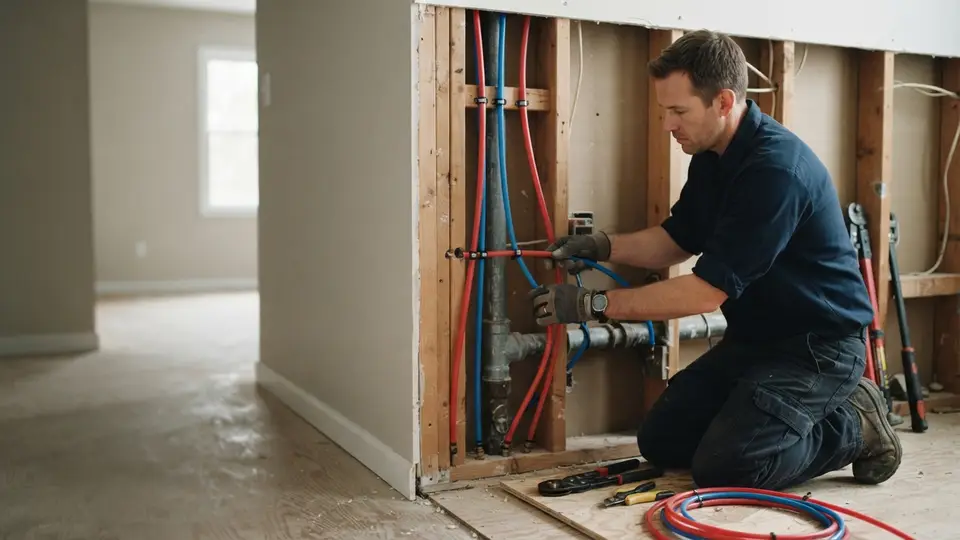
PEX
Strengths: Flexible, few joints, resists corrosion
Points to know: Kept out of sunlight; the usual repipe choice
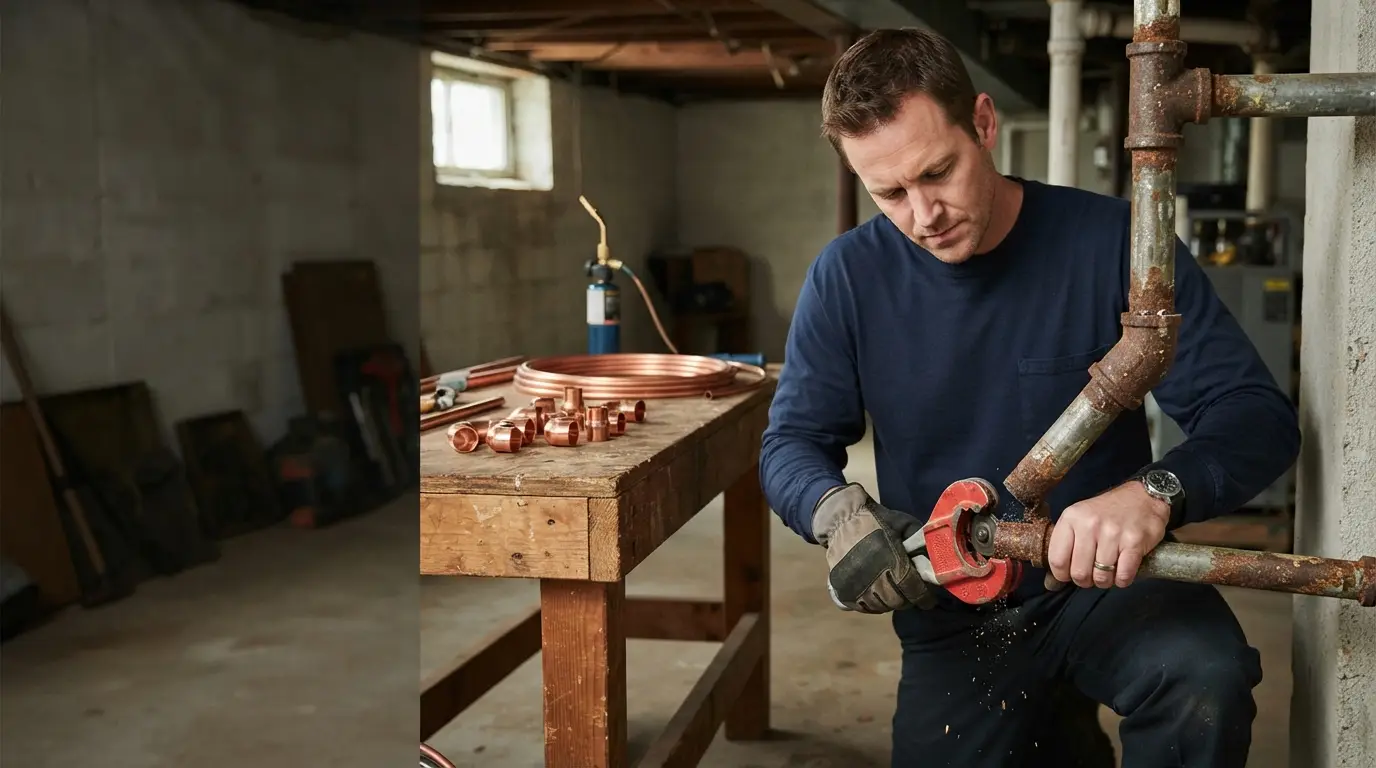
Third pinhole leak this year, or brown water from old galvanized pipe? We do repiping and water line replacement in Hawaii for houses and condos. Older island homes were plumbed with galvanized steel or copper that salt air, humidity and decades of use have worn thin. Raised plantation-style homes have pipe exposed underneath; slab homes hide it in concrete. We replace failing supply pipe throughout the house or just the main water line from the meter, with clear pricing and minimal disruption.
The service
51% of Hawaii homes in our Census data were built before 1980, and 14% before 1960. In Wahiawa 78% of homes predate 1980, in Kailua 39% and in Ewa Beach 88%. Many still carry original supply pipe, patched over the years. Repiping replaces that pipe with new lines sized for today's fixtures.
Supply pipe options
Strengths: Flexible, few joints, resists corrosion
Points to know: Kept out of sunlight; the usual repipe choice
Strengths: Durable, long track record
Points to know: Can pinhole with some water; costs more
Strengths: Resists corrosion
Points to know: Becomes brittle with age; less common for repipes
Why Hawaii
Galvanized pipe in older homes builds rust inside until flow drops and leaks start at threaded joints.
Water chemistry and age pit copper from the inside, leaving pinholes in walls and under slabs.
Under raised homes and along exterior walls, salty, damp air corrodes pipe and fittings from outside.
Each repair adds joints and mixed metals. Where copper meets steel without proper fittings, corrosion speeds up.
Warning signs
Our process
For a single failed section in otherwise sound pipe, we replace that piece with matching material and proper transition fittings.
We map every fixture, run new lines with shutoffs, connect each one, pressure test and remove or abandon the old pipe. Raised homes often allow most work from underneath.
We locate leaks in the main line from the meter, then repair the damaged section.
When the main line has failed, we replace it from the meter to the house, by trench or by pulling new pipe where rock and landscaping allow.
Typical cost
You approve a written price before we start.
Get a written price: (833) 733-2357More bathrooms mean more lines.
Raised homes are often simpler than slabs.
PEX usually costs less than copper.
Patching and painting add cost.
Required for repiping in every county.
Neighbor-island jobs may add travel and freight.
Benefits
One project ends the cycle of leaks.
Clear, correctly sized pipe restores flow.
No rust from old galvanized lines.
Buyers and inspectors ask about pipe material.
Older homes in towns such as Waialua (82% built before 1980) and Kekaha (66%) often sit on posts with pipe exposed below. That makes repiping simpler, since we can run most new lines under the floor with little wall opening. We support the pipe properly, protect PEX from sunlight and pests, and insulate where needed.
In Urban Honolulu 60% of homes are in larger buildings. Many associations repipe whole buildings in phases, replacing risers and unit lines floor by floor. We plan the order with management, notify residents of shutoffs and keep water off for the shortest time we can. Individual unit owners can also repipe their own lines from the unit shutoff, with association approval.
Main lines from the meter run under yards, driveways and in many places rock. In Hilo (19,265 homes) and other wet areas, a leaking main may only show as a soft patch of lawn; on drier leeward lots, as a high bill. We locate the line and the leak, and when replacement is needed we choose a route that avoids the hardest rock where we can.
Most houses in Waipahu (9,800 homes) and Pearl City can be repiped in a few days, with water restored each evening on many jobs. We protect floors and furniture, make small, neat wall openings and arrange patching. If you are planning a kitchen or bathroom remodel, repiping at the same time saves opening walls twice.
A repipe is the right time to fix everything around the pipe. We check incoming pressure and install or replace the pressure-reducing valve, add an expansion tank at the water heater where the system needs one, and fit a new main shutoff that turns easily. Every fixture gets its own quarter-turn stop valve, so future repairs never require shutting off the whole house. In condos, we replace the unit shutoff so you are not dependent on building staff to isolate your plumbing.
Under raised homes, rodents can chew plastic pipe and termites move through damp wood around leaking lines. We route new pipe where it is protected, secure it to framing and use sleeves where it passes through walls and floors. Fixing leaks also removes the moisture that draws termites.
Home inspectors in Hawaii note galvanized pipe, active corrosion and patched copper, and buyers often ask for a credit or repair. Repiping before listing removes that question. We provide the permit record and a written summary of the materials installed, which you can share with buyers and their inspector.
Homes built before the late 1980s may have lead solder on copper joints or brass fittings with more lead than allowed today. If you are concerned, have your water tested by a certified lab. A repipe replaces those joints with modern lead-free materials, and we flush the new system before you use it for drinking.
If a pipe is leaking, close the main shutoff or the fixture valve and catch drips with towels. Find your main shutoff now if you do not know where it is.
Clear access under sinks and to any crawl space or attic hatch. Then call us.
Repiping and main line replacement need a county plumbing permit and inspection. We pull the permit and schedule the inspection. Our plumbers hold the licenses Hawaii requires.
Why choose us
What you can count on every time one of our plumbers comes to your door.
Every job is handled by a plumber who holds the license your state or city requires, backed by liability insurance.
Our plumber explains the problem and the options, and you approve a written price before any work begins.
Burst pipes, sewage backups and failed water heaters get priority scheduling, including nights and weekends.
We pull permits when the job needs one and schedule the inspection, so the work holds up when you sell.
Repairs and installations come with a written warranty on labor, on top of the manufacturer's warranty on parts.
Our pages and plumbers account for your area's water, soil, climate and the age of the homes around you.
Service area
We repipe homes and replace water lines in 163 Hawaii communities. Choose yours:
It depends on home size, number of fixtures, foundation type, pipe material and wall repair. We price it in writing after a walkthrough.
Usually, in both materials and labor. Copper remains available if you prefer it.
Length, depth, rock and what sits above the line set the price. We look at the route before quoting.
We plan routes through attics, under raised floors and inside walls, making small openings at fixtures and patching afterward.
Where it is accessible, yes. Pipe sealed in walls or slabs is usually disconnected and left in place.
Yes, from the unit shutoff, with association approval. Shared risers are usually the association's responsibility.
It can carry rust and, in some older systems, lead from solder or fittings. Testing your water tells you more.
Yes. PEX used for drinking water is certified for that purpose and widely accepted by plumbing codes.
Most homes take a few days. Larger homes or slab homes can take a week.
On many jobs we restore water at the end of each day. We tell you the schedule before starting.
Properly installed PEX and copper can last many decades. Keeping pressure normal helps.
Yes, once a year. Look for corrosion, drips, sagging pipe and pest damage.
Close the shutoff at the meter or house and call us. Burst lines get priority scheduling.
Galvanized pipe rusts and copper pits over time, and salt air speeds corrosion on exposed pipe.
Yes. Rock slows digging, so we plan the route carefully and use pulling methods when they fit.