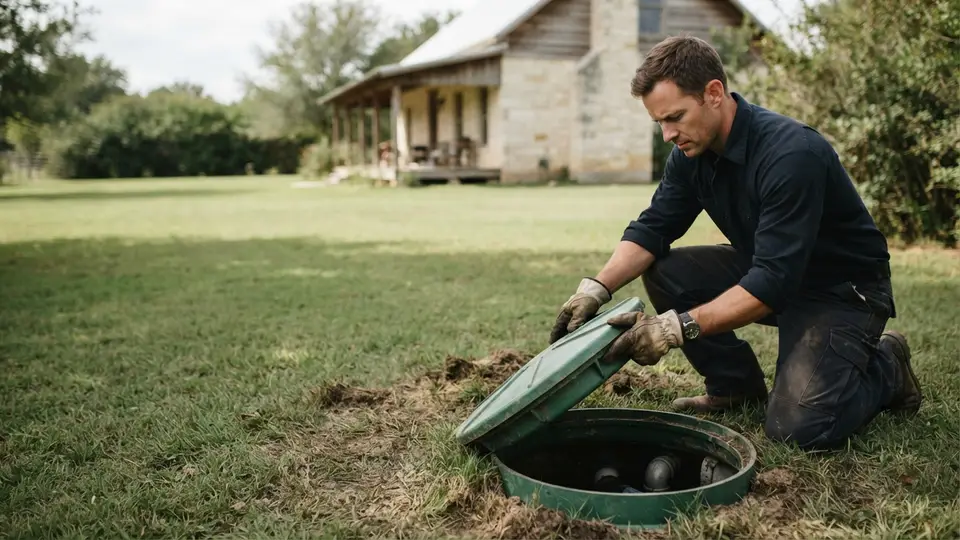
Septic pumping
When: Every few years, or when sludge is high
What it includes: Open lids, pump all chambers, check baffles and effluent filter
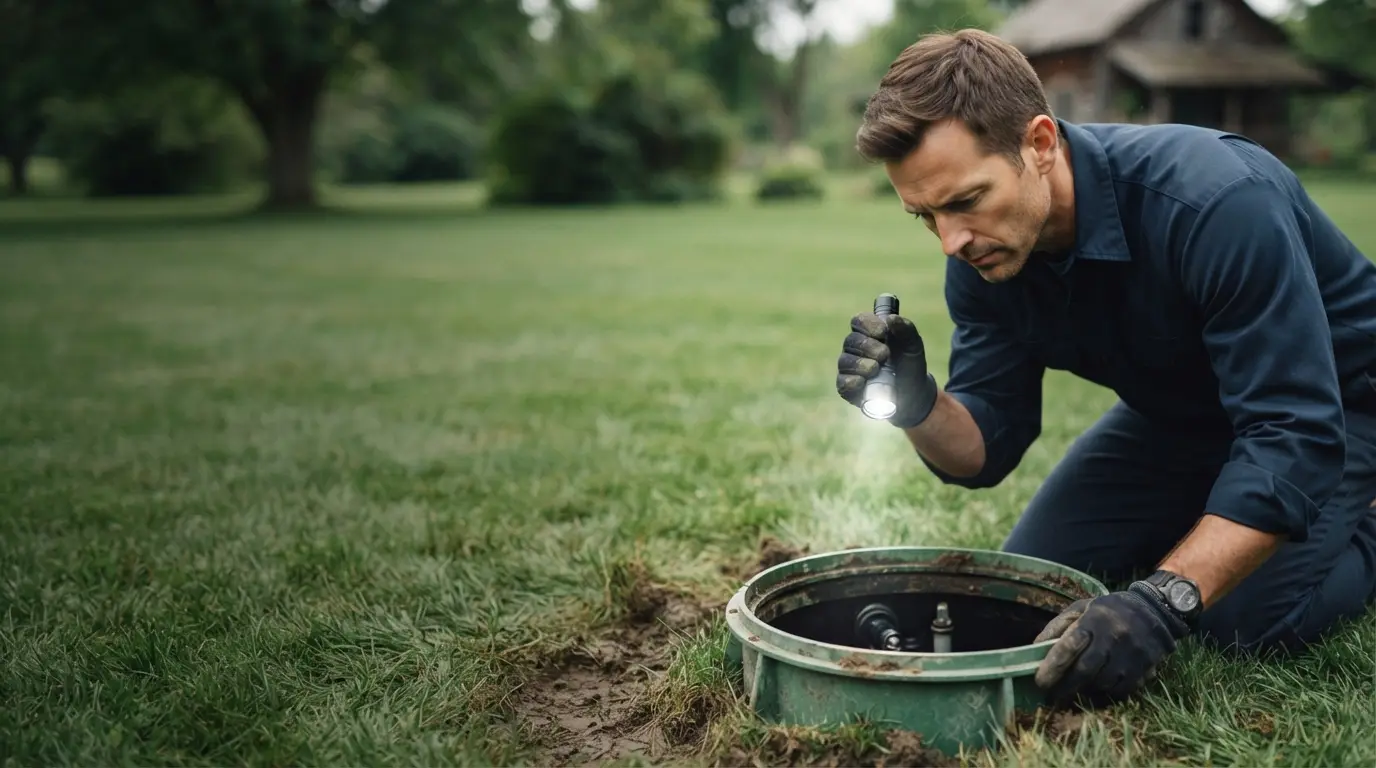
Cesspool overflowing after a week of rain, or a slow drain field on lava rock? We provide septic tank services in Hawaii for homes beyond the county sewer. Hawaii relies on onsite wastewater more than most states, and it still has tens of thousands of cesspools that state law requires to be upgraded by 2050. We pump and inspect septic tanks and cesspools, repair drain fields, and help owners understand what a cesspool conversion involves, from the Department of Health approval to the final inspection.
The service
A cesspool is a pit that releases untreated wastewater straight into the ground. A septic system settles solids in a tank first, then sends clarified effluent to a drain field or seepage pit where soil treats it. In Hawaii, groundwater supplies most drinking water and feeds streams and reefs, which is why the state wants cesspools replaced with treatment systems or sewer connections.
Our septic services
When: Every few years, or when sludge is high
What it includes: Open lids, pump all chambers, check baffles and effluent filter
When: Slow drains or overflow
What it includes: Pump the pit, check the inlet and cover condition
When: Buying or selling, problems, routine checks
What it includes: Levels, baffles, drain field condition, written report
When: Wet spots, odors, backups
What it includes: Locate failure, repair lines or distribution box
Why Hawaii
Hilo, Puna, windward Oahu and Kauai get frequent heavy rain. Saturated ground cannot take effluent, so systems back up during storms.
On young lava, wastewater moves through cracks with little soil to treat it. Systems there need careful design.
Coastal lots sit close to groundwater, leaving little room between the system and the water table.
Old cesspools clog with solids, and some collapse. A cesspool that keeps filling has usually reached the end of its life.
Warning signs
Our process
We uncover the lids, pump every chamber, clean the effluent filter and check the inlet and outlet baffles for damage.
We measure sludge and scum, inspect the tank structure, run water to test the field and write up what we find.
We locate the failing section, clear or replace lines and distribution boxes, and advise when a field must be rebuilt under a new permit.
Typical cost
You get a written price before any work begins.
Get a written price: (833) 733-2357Larger systems take longer to pump.
Buried lids, steep lots and long hose runs add time.
Remote lots add travel.
A baffle costs far less than a drain field.
Conversions need approved designs and inspections.
Benefits
Pumping on schedule keeps solids out of the field.
Clean effluent keeps soil working.
A working system protects wells, streams and reefs.
Records and an inspection reassure buyers.
The state Department of Health reviews new individual wastewater systems. A conversion usually means a site evaluation, a design suited to your soil and slope, approval, then installation and inspection. Where county sewer runs nearby, connecting to it may be an option. We start by locating and evaluating your existing cesspool and the plumbing that feeds it, and we work alongside the system designer so the house plumbing is ready. Ask the Department of Health about current requirements and any assistance programs for your area.
Hawaii County places in our data hold 83,356 homes, and large Puna subdivisions such as Hawaiian Paradise Park (5,432 homes), Ainaloa and Hawaiian Beaches rely on onsite systems. Rain is heavy, lots sit on lava and many homes were built quickly without much space for a system. We service cesspools and septic tanks across East Hawaii and plan access with owners whose lots are steep or overgrown.
Homes in Haiku-Pauwela (3,715 homes) and Kula sit on slopes beyond the sewer, and many in rural Kauai near Kapaa do too. Slope affects how effluent moves, and access for a pump truck can be tight on narrow roads. We look at slope and access when planning service and repairs.
Parts of Hauula, Waimanalo and the North Shore still use cesspools and septic. 65% of Hauula homes and 59% of Waimanalo homes predate 1980, so many systems are decades old and close to the shore. We pump, inspect and repair them and explain the options when a system can no longer keep up.
Adding an ohana unit or renting rooms raises the wastewater load. A system sized for one family may fail under two. Before adding bedrooms, ask us to inspect the system, and confirm sizing rules with the Department of Health.
Many rural homes on the Big Island and Maui get drinking water from a rain catchment tank or a private well on the same lot as their cesspool or septic system. Setback distances between the two exist for good reason: a leaking tank or failing field can reach the water supply. When we service a system, we note where it sits relative to the catchment tank, overflow lines and any well, and we flag problems such as overflow water draining onto the field. Clean water and working wastewater go together on a rural lot.
Buyers and lenders increasingly ask about cesspools, and Hawaii has disclosure rules for them. A recent pumping record and our inspection report help answer questions early and give both sides a clear picture of the system before closing.
Cut water use: postpone laundry and dishwashing and take short showers. Keep people and pets off soggy ground over the field or cesspool.
Never step on or open an old cesspool cover; they can collapse, and the gases are dangerous. Then call us.
New and replacement wastewater systems need Department of Health approval, and the house plumbing work needs a county permit. Our plumbers hold the licenses Hawaii requires, and we pull permits for the plumbing we install.
Why choose us
What you can count on every time one of our plumbers comes to your door.
Every job is handled by a plumber who holds the license your state or city requires, backed by liability insurance.
Our plumber explains the problem and the options, and you approve a written price before any work begins.
Burst pipes, sewage backups and failed water heaters get priority scheduling, including nights and weekends.
We pull permits when the job needs one and schedule the inspection, so the work holds up when you sell.
Repairs and installations come with a written warranty on labor, on top of the manufacturer's warranty on parts.
Our pages and plumbers account for your area's water, soil, climate and the age of the homes around you.
Service area
We serve cesspool and septic homes in 163 Hawaii communities. Choose yours:
Tank size, access to the lids and how far we travel set the price. You approve a written price before we start.
It varies widely with soil, slope, system type and whether sewer is nearby. A site evaluation and design come first, and then we can price the plumbing.
Yes. It shows the system type, its condition and whether a conversion is coming, which affects your budget.
We open the tank, measure sludge and scum, check baffles and structure, test the field with water and give you a written report.
Yes. Pumping buys time, but a cesspool that fills quickly is usually failing and needs a longer-term fix.
Yes. We handle the house plumbing and connections and coordinate with the designer and installer so everything meets the approved plan.
Yes. Covers can collapse and gases can overcome a person. Leave it closed and let us handle it.
Yes. Keep people and pets away, avoid contact and call us so we can stop the overflow.
Usually an hour or two once the lids are uncovered. Buried lids add time.
Approval and design take the longest. Installation often takes several days, depending on rock and access.
Every three to five years for most homes, sooner with a small tank or a large household.
Grease, wipes, paper towels, harsh chemicals and medicines. They clog the tank or kill the bacteria that treat waste.
Cut water use right away and call us. Overflows get priority scheduling.
State law set 2050 as the deadline. Some sales and remodels trigger earlier requirements, so check with the Department of Health.
Heavy rain saturates the ground over thin soil and lava, so effluent has nowhere to go and backs up.