Clay tile
Common in: Homes before 1960
Typical failure: Roots, offset joints, cracks
Roots back in the sewer, or a line that froze and cracked? We handle sewer line repair and replacement in Montana. Our plumbers inspect, repair, reline and replace the private sewer service that runs from your house to the city main. In Montana we find clay tile full of roots, cast iron rusted through under basement floors, joints pulled apart by frost and lines laid too shallow for the deep winter cold. We show you the camera footage, explain the repair options and give you a written price before any digging.
The service
The private sewer line runs from your foundation to the public main in the street or alley, and in most Montana cities the owner maintains it. 54% of the state's 373,759 homes were built before 1980. In Anaconda the median home dates from 1954, and in Glasgow 90% of homes predate 1980. Lines from those years are usually clay tile or cast iron. Montana sewers are also buried deep to stay below the frost, which makes digging them up a bigger job than in milder states.
Sewer materials we find in Montana
Common in: Homes before 1960
Typical failure: Roots, offset joints, cracks
Common in: Under basements, older yards
Typical failure: Rust, scale, split bottoms
Common in: Some postwar homes
Typical failure: Blistering and flattening
Common in: Homes since the 1980s
Typical failure: Sags, poor joints, crushed sections
Why Montana
Freeze-thaw cycles heave soil and pull short clay sections apart.
Cottonwoods and elms planted generations ago send roots into every joint.
Cast iron rusts from inside, and clay cracks under load.
Hillside lots and old mine-area fill can settle and leave sags in the line.
Warning signs
Our process
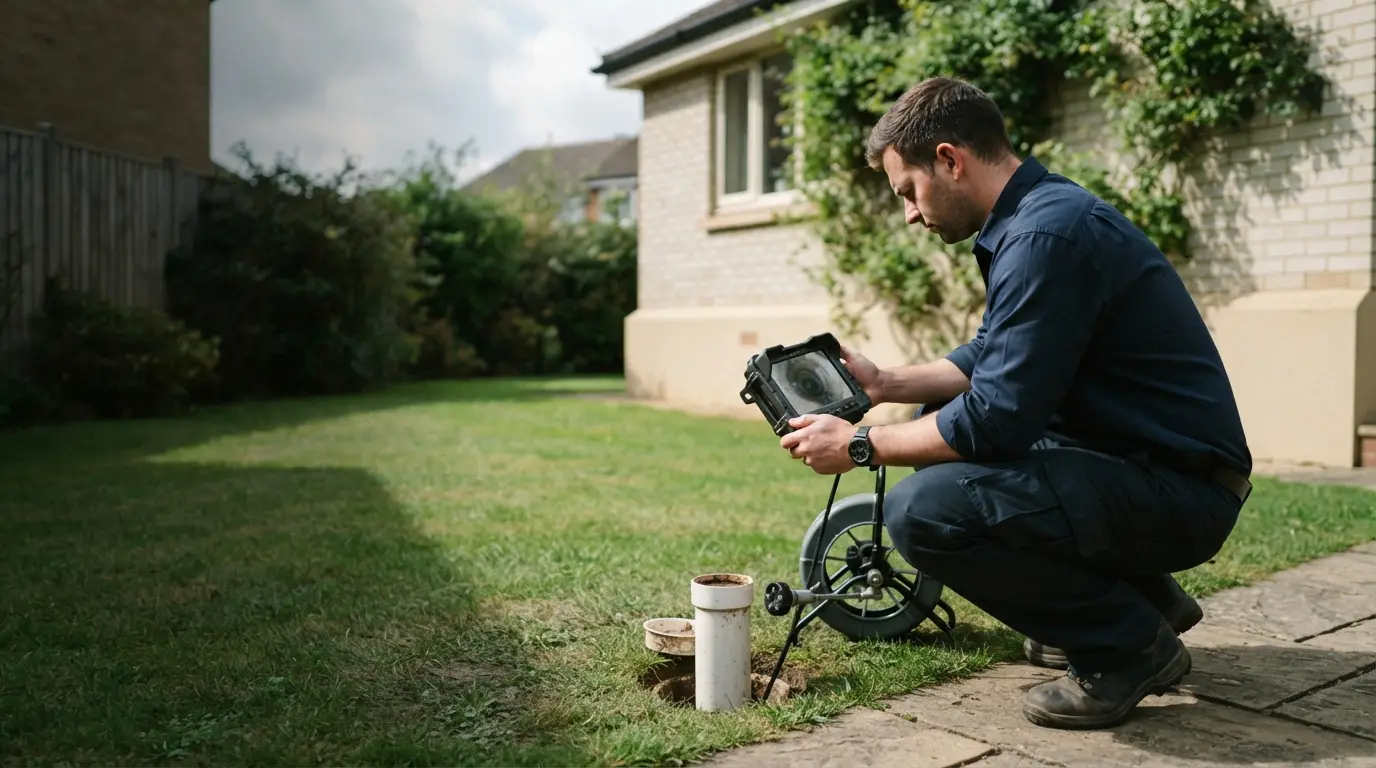
We push a camera through the cleanout, measure where each defect is and mark it on the surface. You see the video and get a plain explanation.
One bad joint or root entry can often be fixed by digging a single spot or installing a short liner from inside.
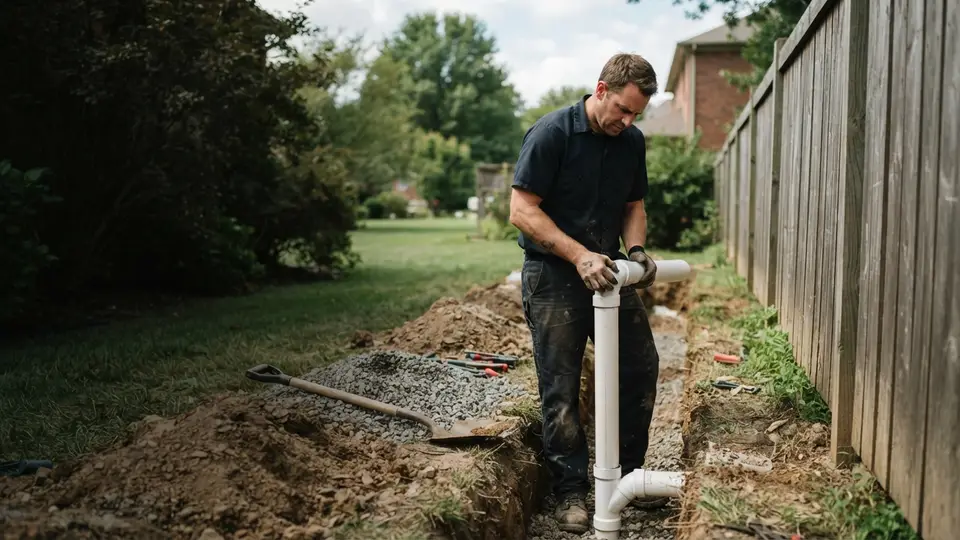
When the whole line has failed, we replace it by open trench, pipe bursting or a full-length liner, depending on depth, frost, trees and what sits above.
Typical cost
Prices before a camera inspection are estimates only. These factors set the final figure:
We give you a written price for each option before work starts.
Get a written price: (833) 733-2357Deep Montana sewers take more excavation.
Spot repair, liner, bursting and open trench cost differently.
Frozen ground slows digging.
Driveways, streets and trees add restoration.
City permits and street work fees vary.
Benefits
Sound pipe keeps roots out.
Fewer backups at the floor drain.
A line at the right depth stops freezing.
Camera reports and repair records answer buyers.
Butte (17,158 homes) and Anaconda grew around copper mining, and Helena around gold. Many homes are more than a century old, on steep streets and fill. 12% of Butte homes are vacant, and sewers in empty houses can collapse unnoticed. We camera the line, locate the failure and choose a method that suits the depth and slope. On hillside lots, trenchless repair often avoids digging up retaining walls and steps.
Miles City (median build year 1959), Glendive and Glasgow have older homes with clay sewers and basements. Prairie soils hold water in spring and dry out in summer, and the ground freezes deep in winter. That movement shifts joints. We repair broken sections and, where a line is too shallow, lower it or add insulation so it does not freeze again.
Trenchless methods need only pits at each end and leave lawns, driveways and trees mostly untouched. They work when the old pipe is still round enough for a liner or bursting head. Open trench suits collapsed lines, sags that need regrading and lines that must be lowered below frost. In winter, excavation through frozen ground is slow, so we may make a temporary repair and plan a full replacement for spring. We price both methods where both fit.
Bozeman (25,908 homes), Billings' west end and Missoula's edges have newer PVC sewers. These rarely suffer from roots but can sag where backfill settled or crack where heavy equipment drove over them during construction. A camera inspection before buying a newer home is still worthwhile. We repair low spots and broken sections and check the connection at the main.
In spring, melting snow and river runoff raise groundwater across Montana's valleys. Water seeps into cracked clay sewers, a problem called infiltration, and the extra flow can overload a weak line or the city main. Basements in Missoula (37,317 homes), Billings and Great Falls then see water at the floor drain. We camera the line to find cracked or open joints letting groundwater in, seal or replace them and fit a backwater valve where city sewers surcharge.
Stop using water, including the washer and dishwasher. If sewage is on the floor, keep children and pets away and wear gloves if you must move belongings.
Do not rent a cable machine for a line you suspect is broken; it can snag and make things worse. Call us.
Sewer repair and replacement usually need a permit from the city, and work in the street may need a separate right-of-way permit. We pull the permits and schedule the inspection. Our plumbers hold the Montana licenses each job requires.
Why choose us
What you can count on every time one of our plumbers comes to your door.
Every job is handled by a plumber who holds the license your state or city requires, backed by liability insurance.
Our plumber explains the problem and the options, and you approve a written price before any work begins.
Burst pipes, sewage backups and failed water heaters get priority scheduling, including nights and weekends.
We pull permits when the job needs one and schedule the inspection, so the work holds up when you sell.
Repairs and installations come with a written warranty on labor, on top of the manufacturer's warranty on parts.
Our pages and plumbers account for your area's water, soil, climate and the age of the homes around you.
Service area
We repair and replace sewer lines in 497 Montana communities, including Great Falls (28,418 homes) and Laurel (3,280 homes). Find yours:
A spot repair costs far less than replacing the whole line. Depth, length, method, season and what sits above decide the figure, and you approve a written price first.
The work can cost more, but you save on restoring lawns, driveways and walks. We price both methods where both fit your line.
Yes. It shows the exact problem and its location, so you pay only for the repair your line actually needs.
We look at the whole line on camera. One bad joint in sound pipe gets a repair; widespread cracking or roots usually means replacement.
Sometimes. Frozen ground slows digging, so we may make a temporary repair or use trenchless methods and plan full replacement for spring.
Yes. We locate the line with the camera head and have public utilities marked before any excavation.
Yes. Leaking sewage soaks into soil and basements and attracts pests. Stop using water if it backs up and keep people away.
It can. Soil washes into broken pipe and leaves a void. Keep people off sunken spots until we inspect the line.
Many trenchless jobs finish in a day. Open trench work can take one to three days, longer in frozen ground.
Usually only while the old pipe is disconnected. We tell you in advance when water use must stop and when it can resume.
Every few years, or whenever clogs start coming back. A camera check before buying an older home is always worth doing.
It can slow regrowth after cleaning, but it does not seal cracked joints. Roots come back until the damaged section is repaired.
Stop all water use, keep everyone away from the mess and call us. We treat active sewage backups as urgent.
Frost reaches several feet down in Montana winters. Lines must be buried below it, or insulated, to keep from freezing.
In most cities the owner maintains the private line to the main. Rules for the street portion vary, and we confirm them first.