Restaurants and food service
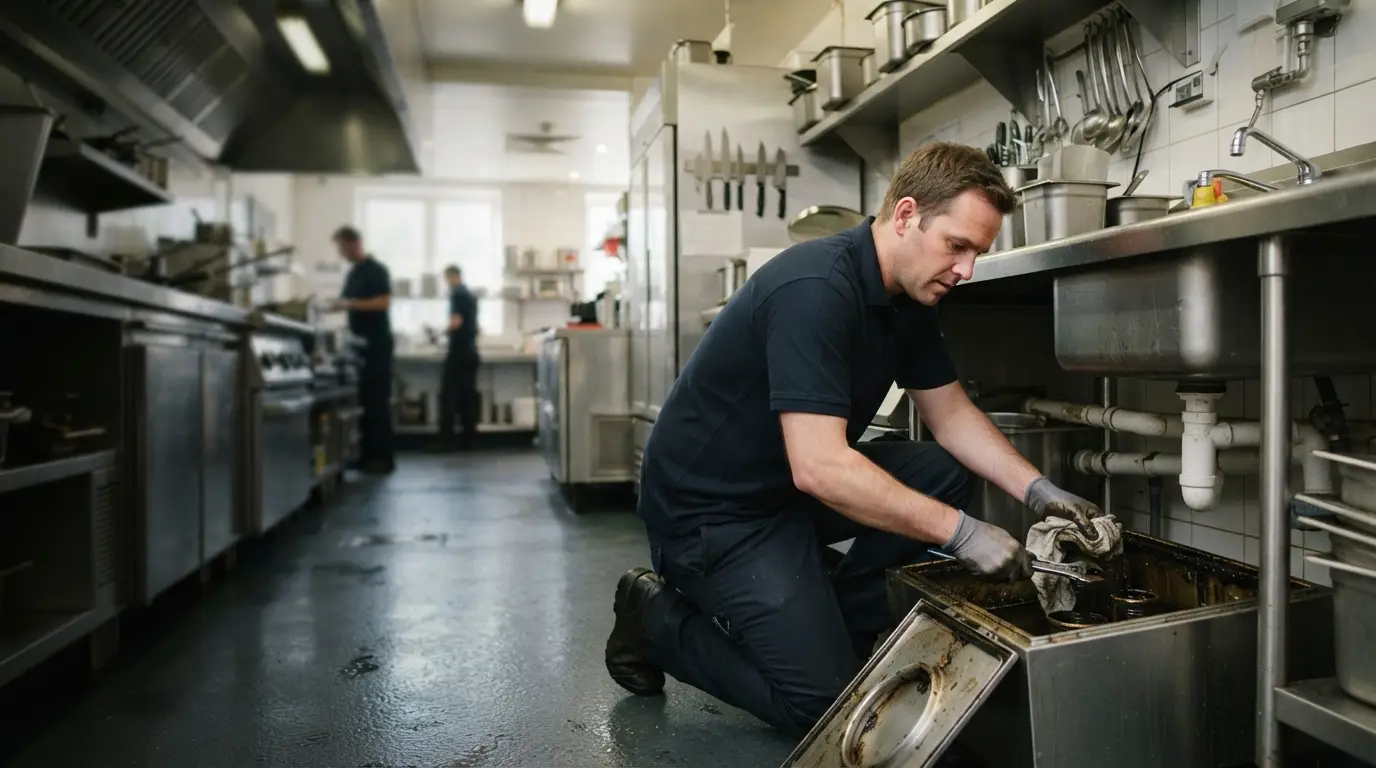
Common work: Grease traps and interceptors, kitchen drain jetting, hand sinks, gas appliance hookups
Kitchen drains backing up before the lunch rush? We provide commercial plumbing in Arkansas for restaurants, offices, retail and apartment buildings. Commercial systems carry more people, more water and more rules than a house: grease traps, backflow assemblies, larger water heaters, shared drain stacks and inspections from the city and the water utility. We fix problems fast, plan larger work around your hours and keep records for your compliance files. Here is what we handle, how we work with property managers and what affects price.
The service
Our commercial work covers repair, maintenance and replacement for businesses and rental properties. We work for owners, tenants with plumbing responsibilities and property management companies.
Who we work for and what we handle
Common work: Grease traps and interceptors, kitchen drain jetting, hand sinks, gas appliance hookups
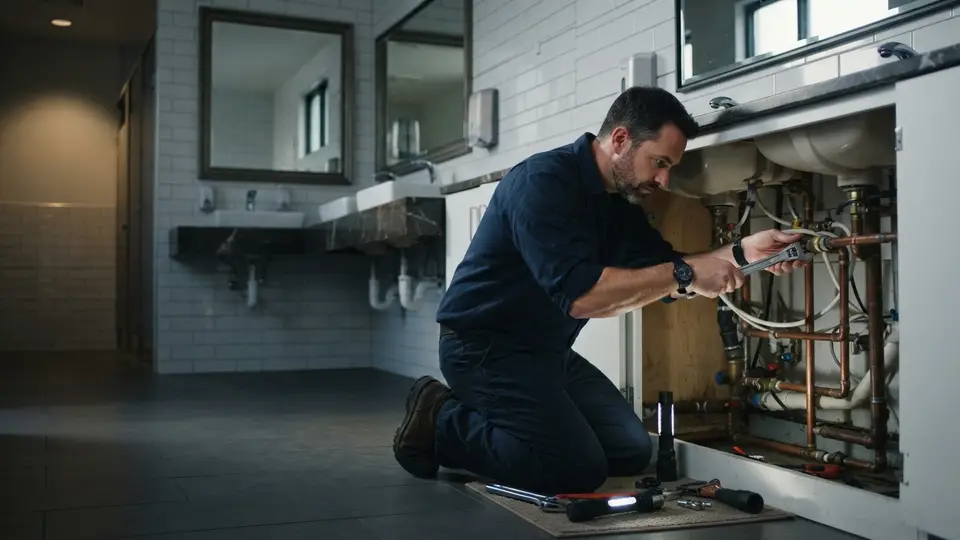
Common work: Restroom fixtures, water heaters, backflow testing, leak repairs
Common work: Drain stacks, shared water heaters, unit turnovers, shutoff valves
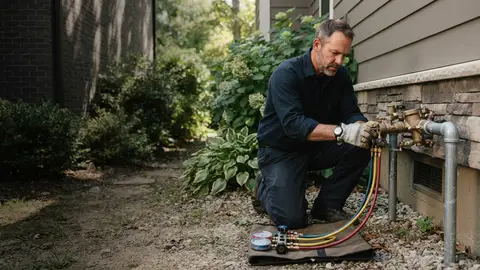
Common work: RPZ backflow assemblies, specialty sinks, water heaters
Common work: Restroom groups, water heaters, drain lines, backflow
Why Arkansas
Grease from commercial kitchens cools in drain lines and builds up quickly. Cities expect grease traps and interceptors to be maintained so grease does not reach the sewer, and a neglected trap backs up into the kitchen.
Renters occupy 41% of the homes in our Arkansas Census data, with higher shares in college and job centers: 58% in Fayetteville, 55% in Conway and 55% in North Little Rock. Apartment and duplex buildings mean shared stacks, unit turnovers and water heaters serving several tenants.
Downtown districts in Little Rock, Fort Smith, Hot Springs, Pine Bluff and many county seats have older buildings with cast iron drains and galvanized supply lines. In Little Rock alone, 53% of all homes predate 1980, and commercial blocks are often older still.
New offices, retail centers and apartments in Benton and Washington counties need new installations, backflow assemblies and ongoing service.
Warning signs
Our process
We jet kitchen drain lines, service and repair grease traps and interceptors, replace failed baffles and lids, and install new traps sized to your kitchen. We schedule cleaning outside service hours and keep records that inspectors may ask for.
We repair restroom fixtures and flush valves, replace water heaters, test backflow assemblies and find leaks. Work that would close restrooms is scheduled before opening or after closing when possible.
We clear and repair shared drain stacks, replace shutoff valves so one unit can be isolated without shutting down the building, service central water heaters and handle turnover repairs. We coordinate tenant notice and access with the property manager.
Typical cost
You get a written price before any work starts, and for larger projects we provide a written scope and schedule.
Get a written price: (833) 733-2357Larger buildings have more fixtures, longer lines and bigger equipment.
Work outside business hours to avoid closures costs more than daytime work.
Commercial work often needs specific assemblies, permits and inspections.
Work above ceilings, in mechanical rooms or under occupied units takes more planning.
Commercial water heaters, interceptors and RPZ assemblies cost more than residential parts.
Benefits
Scheduled cleaning and testing prevent breakdowns during business hours.
Grease trap, backflow and repair records are kept in one place.
Fixing running toilets and leaks in many units adds up quickly.
Fast turnover and stack repairs reduce complaints and vacancies.
Make sure your staff knows where the main water shutoff and any fixture shutoffs are. For a backup, stop using the affected fixtures and post a notice. For a gas odor, evacuate, call the gas utility from outside and do not operate equipment.
Have access ready: keys to mechanical rooms, the location of cleanouts and grease traps, and contact details for the person who can approve work. That shortens the visit.
When a retail space becomes a café, or an office suite adds a break room, the plumbing has to change with it. We rough in new restroom groups, mop sinks, hand sinks, floor drains and grease interceptors, and we size water heaters and gas lines for the new use. We work from your architect or contractor plans, coordinate with the other trades on site and set fixtures once finishes are done. Changes of use often trigger accessibility and fixture-count requirements, which the plans and the city review settle before work starts.
Restaurants need hot water for dishwashing and hand sinks at the same time, and apartment buildings need it for every unit at the morning peak. We size commercial tank heaters, boilers with storage tanks and racks of tankless units to the actual demand, install mixing valves where water must be delivered at a safe temperature, and set up maintenance so sediment does not cut capacity.
We work with property managers across Arkansas, from student housing near Fayetteville and Conway to apartment complexes in Jonesboro, where 46% of homes are rented. We follow your approval limits, send invoices with unit numbers and photos, and tell you when a repeat problem points to a building-wide fix rather than another unit repair.
Commercial plumbing in Arkansas follows the state plumbing code and local permit rules, and grease traps and backflow assemblies may also fall under your city or water utility requirements. Our plumbers hold the Arkansas license required for commercial work, our backflow testers are certified, and we handle permits and inspections.
Why choose us
What you can count on every time one of our plumbers comes to your door.
Every job is handled by a plumber who holds the license your state or city requires, backed by liability insurance.
Our plumber explains the problem and the options, and you approve a written price before any work begins.
Burst pipes, sewage backups and failed water heaters get priority scheduling, including nights and weekends.
We pull permits when the job needs one and schedule the inspection, so the work holds up when you sell.
Repairs and installations come with a written warranty on labor, on top of the manufacturer's warranty on parts.
Our pages and plumbers account for your area's water, soil, climate and the age of the homes around you.
Service area
We serve businesses across 625 Arkansas places. Choose yours:
By the scope of work, equipment, access, code requirements and scheduling. You get a written price before we start, and a written scope for larger projects.
Yes. Working before opening or after closing costs more than daytime work, but it often saves more in lost business than it adds.
It depends on the trap or interceptor size, how full it is and how often it is serviced. Regular service usually costs less than emergency cleanouts.
Yes. We schedule disruptive work before opening, after closing or during slow periods, and we tell you in advance how long fixtures will be out.
Yes. We keep records of grease trap service, backflow tests and repairs and can send copies when an inspector or landlord asks.
Yes. We follow your approval limits, coordinate tenant access and send invoices with unit numbers, photos and notes.
Evacuate the building, avoid switches and equipment and call the gas utility from outside. We repair the leak after the utility makes it safe.
Yes. Stop using affected fixtures, keep food areas clear and call us. Sewage contamination in food areas must be cleaned before service resumes.
Many are done in a day. Large or multiple units, or those needing venting changes, can take longer. We plan the swap to limit downtime.
Most fixture repairs are completed on the first visit. We carry common commercial flush valve and faucet parts.
It depends on kitchen volume and trap size; busy kitchens may need it monthly. Your city may also set a schedule.
Kitchens with heavy grease benefit from periodic jetting, often every few months. Other buildings usually need it only when problems appear.
Call us. A building with no working restroom is an urgent call and gets priority scheduling.
Food service businesses generally need grease traps or interceptors under local rules. Your city sets sizing and service requirements.
Most commercial properties have testable assemblies, and water utilities require testing by a certified tester on a schedule.