Basement backups and flooding
Heavy rain overloads old sewers and pushes water into basements. We clear mains, add backwater valves and install sump pumps.
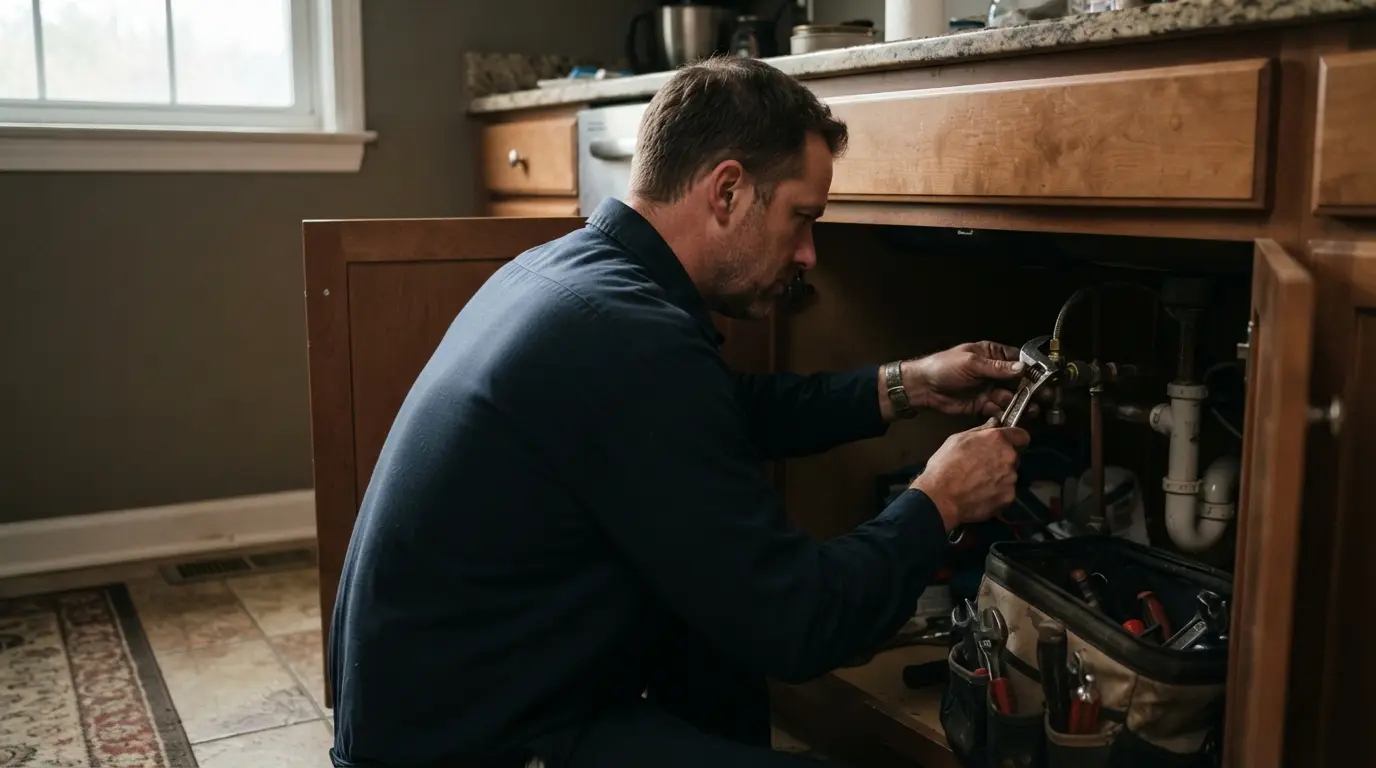
Basement drain backing up, or old pipes that keep leaking? Our plumbers in New Jersey find the cause and fix it, with a written price before work starts. We work in Newark, Jersey City and the Hudson waterfront, Paterson and the Bergen and Passaic suburbs, Elizabeth and Union County, the Lake Hopatcong and Sussex hills, New Brunswick, Princeton and Trenton, the Shore from Long Branch to Cape May, and South Jersey from Camden to Vineland. New Jersey plumbing means dense older cities, brick apartment buildings, gas heat in most homes, combined sewers in the oldest neighborhoods and flood-prone basements. Here is what we fix and where.
Plumbing in New Jersey
Our Census data covers 6,127,633 people in 2,546,166 homes across 700 places in New Jersey's 21 counties. 323 are incorporated cities, towns and boroughs, and 377 are census-designated places such as Toms River, Lakewood and Sicklerville, which sit inside larger townships. The housing is old: 66% of homes were built before 1980 and 42% before 1960. The median home in Camden dates from 1950, in Trenton from 1953 and in Collingswood from 1941.
Utility gas heats 73% of New Jersey homes, electricity 18% and fuel oil about 5%. Oil is far more common in the northwest hills, heating 61% of homes around Lake Hopatcong and 50% in Highland Lakes. Renters occupy 42% of homes statewide, 76% in Newark and 81% in Union City, and buildings with five or more units hold 79% of Hoboken homes.
Counts from the U.S. Census Bureau 2024 Gazetteer.
Explore our servicesWhat our plumbers see
Heavy rain overloads old sewers and pushes water into basements. We clear mains, add backwater valves and install sump pumps.
Many older homes still have lead service lines or rusting galvanized pipe. We replace them with copper or PEX.
Brick walk-ups and two-family houses share old stacks that crack and clog. We repair and replace them floor by floor.
Most homes heat and cook with gas. We find and fix leaks and connect new ranges, dryers and water heaters.
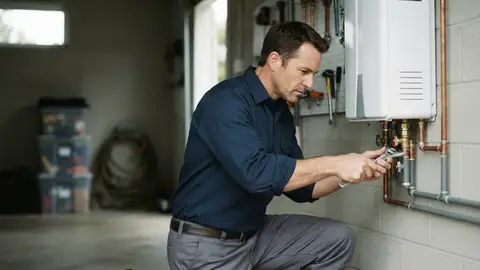
Tanks in closets, basements and utility rooms wear out. We repair them and install tank or tankless replacements.
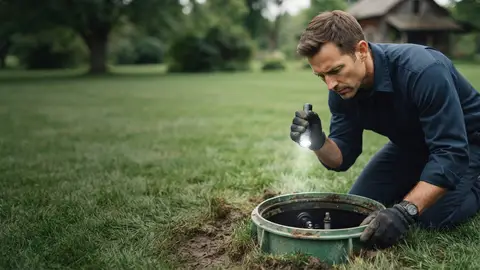
Hunterdon, Sussex, Warren and the Pinelands rely on wells and septic. We pump, inspect and repair systems.
Our services
Each service page explains how our plumbers handle that work in New Jersey homes, apartment buildings and businesses.
Sewer Line Repair & Replacement
Repiping & Water Line Replacement
Gas Line Repair & Installation
Water Heater Repair & Replacement
Toilet, Faucet & Fixture Repair
Sump Pump Repair & Installation
Across the state
Homes and main places: Jersey City (135,231 homes), Hoboken, Union City, Bayonne
What our plumbers see: High-rises, walk-ups, combined sewers
Homes and main places: Newark (121,546 homes), East Orange, Irvington
What our plumbers see: Lead lines, old stacks, rentals
Homes and main places: Paterson (52,519 homes), Clifton, Hackensack, Ridgewood
What our plumbers see: Pre-war houses, flooding near rivers
Homes and main places: Elizabeth (48,976 homes), New Brunswick, Perth Amboy
What our plumbers see: Two-family homes, student rentals
Homes and main places: Lake Hopatcong (4,457 homes), Newton, Highland Lakes
What our plumbers see: Wells, septic, oil heat, lake homes
Homes and main places: Trenton (34,513 homes), Princeton
What our plumbers see: Old row homes, wells in the countryside
Homes and main places: Toms River (39,886 homes), Long Branch, Ocean City
What our plumbers see: Storm flooding, salt air, rentals
Homes and main places: Camden (27,292 homes), Vineland, Millville, Sicklerville
What our plumbers see: Sandy soil, older cities, farms
New Jersey licenses master plumbers through the State Board of Examiners of Master Plumbers, and plumbing work must be done by or under a licensed master plumber. Our plumbers hold the licenses each job requires.
Permits fall under the statewide Uniform Construction Code. Each municipality runs a construction office, and a plumbing subcode official inspects the work. Water heater swaps, gas piping, sewer and water service replacements and repiping usually need a permit. We pull it and schedule the inspection.
Most New Jersey homes get water from a city utility or a private water company, drawn from reservoirs in the northern hills or from wells in the coastal plain. Newark replaced thousands of lead service lines after 2019, and a 2021 state law requires water systems to replace lead service lines over the following decade. When the utility replaces its side, we can replace the line inside your property and the plumbing behind it.
Older cities such as Newark, Jersey City, Paterson, Camden and Hoboken have combined sewers that carry storm water and sewage in the same pipes, so heavy rain can push water back into low basements. Homes outside sewer areas use septic systems built under state standards that local health departments enforce, and the Pinelands has stricter rules of its own. Homes sold with a private well must have the water tested under the state Private Well Testing Act.
Superstorm Sandy in 2012 flooded the Shore and the Hudson waterfront, and the remnants of Ida in 2021 filled basements across northern and central New Jersey. Many low basements in Elizabeth, Paterson, Newark and Hoboken take water in heavy rain. On the barrier islands, 81% of homes in Beach Haven and 77% in North Wildwood stand vacant on a typical day, mostly summer homes. Our plumbers install sump pumps with battery backups and backwater valves, raise water heaters and equipment above flood levels and restore plumbing after storms.
Northern New Jersey is full of shared buildings. Renters occupy 74% of homes in Elizabeth and 73% in Paterson, and buildings with five or more units hold 68% of homes in Fort Lee and 54% in Jersey City. A clog or leak in one unit often comes from a stack or riser that several apartments share. We work with owners, supers and condo boards, schedule water shutoffs and replace stacks and risers in stages so tenants keep their water as much as possible.
89% of homes in Ridgewood and 91% in Collingswood were built before 1980, and many date from the 1920s and 1930s. These houses often still have galvanized supply pipe, cast iron drains, clay sewer laterals and lead service lines. Low water pressure, rusty water and recurring clogs are common. We camera the sewer lateral, replace failing sections and repipe homes room by room with as little wall damage as we can.
Vineland, Millville and Bridgeton grew as glass and farming towns, and fuel oil still heats 23% of homes in Bridgeton. Manufactured homes make up 7% of Vineland's housing and 47% in the retirement community of Pine Ridge at Crestwood. Newer subdivisions such as Sicklerville, where the median home dates from 1990, sit on sandy soil with slab or crawl-space foundations. We handle well pumps and septic on farms and the outer edges of towns, and water heaters and repiping in town.
Service area
Our largest New Jersey service areas by population:
Every New Jersey place in our data, grouped by county:
Atlantic County
Bergen County
Burlington County
Camden County
Cape May County
Cumberland County
Essex County
Gloucester County
Hudson County
Hunterdon County
Mercer County
Middlesex County
Monmouth County
Morris County
Ocean County
Passaic County
Salem County
Somerset County
Sussex County
Union County
Warren County
How it works
You tell us what is happening, and we ask about the building, the pipe and what to shut off.
Gas odors, sewage in the basement, burst pipes and no water come before routine work.
A camera, pressure test or gas test shows what failed and where.
We explain the choices, and nothing starts until you agree.
We pull the municipal permit when one is needed and schedule the subcode inspection.
Have a plumbing problem in New Jersey?
Call Expert Plumber Now and tell us what is happening. We’ll send a licensed plumber.
Pricing
We price each job after we see it. These factors matter most:
Shared stacks and risers in apartment buildings take more planning.
Lead, galvanized and cast iron often need replacing, not patching.
Fees and inspections vary from town to town.
Tight city streets and finished basements add time.
Backwater valves and pumps add parts and labour.
Evening and weekend calls cost more.
You get a written price before any work begins.
Season by season
Keep heat steady, open cabinets on outside walls during cold snaps and drain hose bibs before the first freeze.
Test the sump pump and battery backup before the rainy season and clean out gutters and drains.
Check Shore homes before renters arrive and watch for storms in hurricane season.
Have the water heater flushed, service the boiler and winterize empty summer homes.
Why choose us
What you can count on every time one of our plumbers comes to your door.
Every job is handled by a plumber who holds the license your state or city requires, backed by liability insurance.
Our plumber explains the problem and the options, and you approve a written price before any work begins.
Burst pipes, sewage backups and failed water heaters get priority scheduling, including nights and weekends.
We pull permits when the job needs one and schedule the inspection, so the work holds up when you sell.
Repairs and installations come with a written warranty on labor, on top of the manufacturer's warranty on parts.
Our pages and plumbers account for your area's water, soil, climate and the age of the homes around you.
We look at the problem, the pipe, access and any municipal permit, then give you a written price. Work starts only after you approve it, and evening calls cost more.
Street openings, sidewalk repair and permit fees vary by municipality, and lines under driveways take longer. We include these items in your written price.
We ask what is happening, tell you what to shut off and book our plumber, with gas odors, sewage backups and burst pipes first. We keep you updated on timing.
Yes. We apply at your municipal construction office when the work needs a permit, and we schedule the plumbing subcode inspection.
Leave the building without using switches or phones, then call your gas utility or 911 from outside. We repair the piping once the utility says it is safe.
A like-for-like tank swap usually takes a few hours, including the permit paperwork. Moving the heater or switching to tankless takes longer.
Yes. Lead can leach into drinking water. If your utility is replacing its side, we can replace the part on your property and any lead or galvanized pipe inside.
A sump pump with a battery backup handles groundwater, and a backwater valve stops sewer water from coming back up the drain. We can install both.
Yes. Our work is done by or under New Jersey licensed master plumbers, as state law requires, and we follow the plumbing subcode.
State law requires a test when a home with a private well is sold. We recommend testing every year or two between sales, since radon and arsenic occur in some areas.