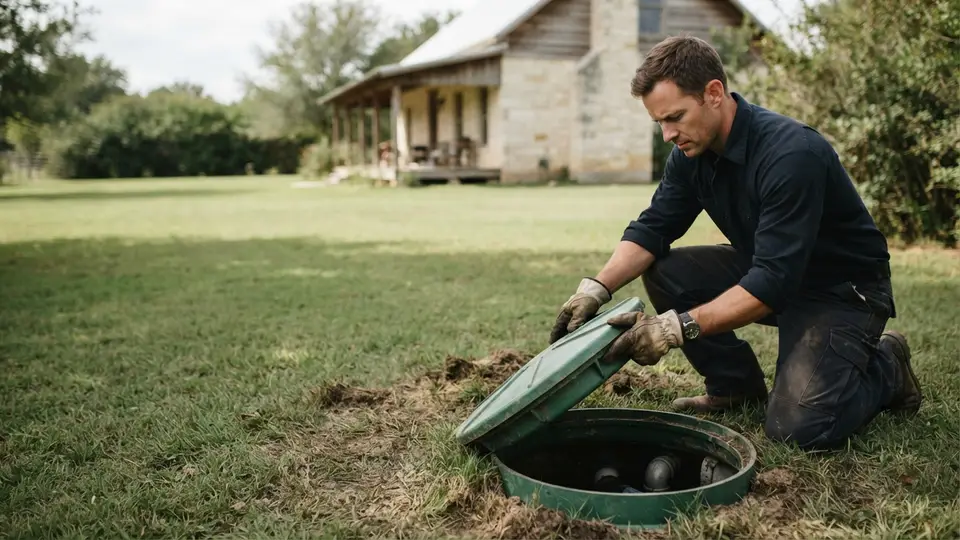
Pumping
When it is needed: Every few years, or when solids are high
What we do: Remove sludge and scum, check baffles
Soggy ground over the field, or every toilet slow at once? We handle septic tank services in New Jersey. Our plumbers pump and inspect tanks, find the cause of slow drains and backups, repair baffles, pumps and distribution boxes and restore failing drain fields for homes outside sewer lines. Most New Jersey septic systems are in Sussex, Warren, Hunterdon and Morris counties, around the northern lakes and across the farms and pine woods of South Jersey. Rocky hillsides, lakeside lots and sandy Pinelands soil each bring their own problems, and we work within the state and local health rules that govern them.
The service
New Jersey is mostly sewered, but thousands of homes beyond the city systems treat their own waste. A typical system has a concrete or plastic tank where solids settle, then a disposal field of trenches or a bed where the liquid soaks into the soil. Many places served by septic also rely on private wells, so a failing field can affect drinking water. Around Lake Hopatcong (4,457 homes) and Highland Lakes, many homes are older cottages on small lots close to the water.
Septic services we provide in New Jersey
When it is needed: Every few years, or when solids are high
What we do: Remove sludge and scum, check baffles
When it is needed: Home sale, slow drains, odors
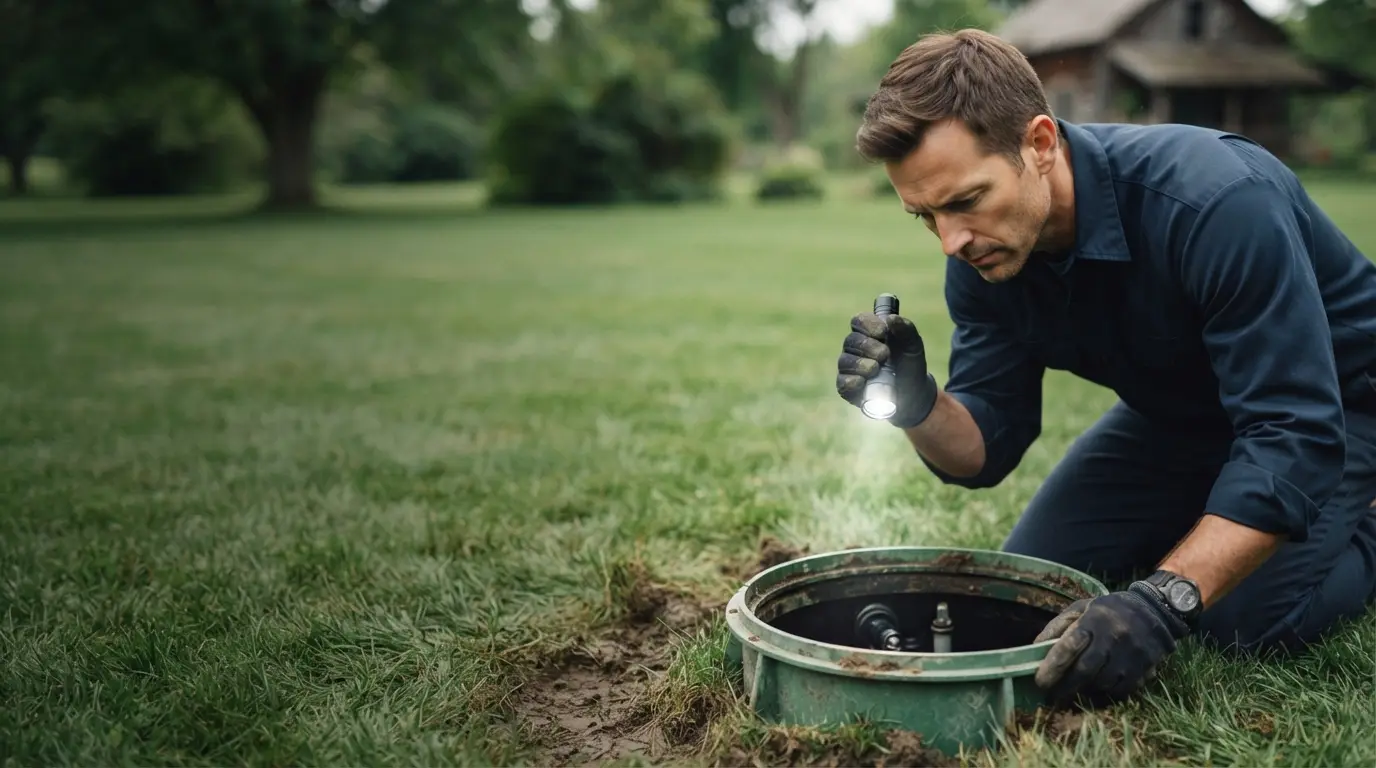
What we do: Check tank, levels, field and components
When it is needed: Broken baffle, pump or lid
What we do: Replace the failed part
When it is needed: Wet spots, surfacing effluent
What we do: Diagnose, then repair or replace with a designer
Why New Jersey
In the Highlands and Skylands, bedrock and dense soils limit how much water a field can absorb.
Cottages near lakes often sit on small lots with a high water table and little room for a field.
Sandy coastal plain soil drains quickly, which is why the Pinelands has stricter treatment rules.
Solids that are never pumped flow into the field and clog it for good.
Warning signs
Our process
We uncover the lids, measure the sludge and scum layers, pump both compartments and check the inlet and outlet baffles. We note the condition of the tank for your records.
For a sale or a problem, we check the tank, watch how the system handles a flow of water, probe the field and camera the lines where needed. You get a written report of what we found.
We look for a crushed pipe, a tipped distribution box or a clogged effluent filter before assuming the field is gone. When the field must be replaced, we work with a licensed engineer and the local health department on the design and approval.
Typical cost
Septic prices vary, and any figure before we see the system is an estimate only. The main factors:
You get a written price before work begins.
Get a written price: (833) 733-2357Buried lids take time to uncover.
Broken baffles or pumps add parts.
Repairs range from a pipe fix to a full replacement.
New fields need an engineer and health department review.
Pinelands and lakefront lots can need advanced systems.
Benefits
Pumping keeps solids out of the field.
Baffle and pump problems show up before a backup.
A working system protects wells and lakes.
Pumping and inspection reports help buyers.
The northwest corner of New Jersey has the state's highest share of septic homes. Fuel oil heats 61% of homes around Lake Hopatcong and 50% in Highland Lakes, a sign of how far many homes are from city utilities. Propane heats 28% of homes in Upper Greenwood Lake. Lake communities built as summer cottages now house families all year, and their original systems were never sized for that. We pump, inspect and repair these systems and advise when an upgrade is due.
Hammonton, the outer parts of Vineland and Millville and many Atlantic, Burlington and Ocean county homes sit in or near the Pinelands. The Pinelands Commission has stricter rules for septic systems than the rest of the state, because the sandy soil sits over an aquifer that supplies drinking water. Some newer homes there have advanced treatment units that need regular service. We maintain conventional and advanced systems and confirm local requirements before any repair.
On many New Jersey lots, the well and the septic field share a small piece of land. State rules require set-back distances between them, but older properties may have been built before those rules. A failing field can send bacteria and nitrate toward a shallow well. If your system is struggling, we recommend testing your well water, and we fix the septic problem first so the source is stopped.
Manufactured homes make up 47% of housing in Pine Ridge at Crestwood, and many similar communities in Ocean County have shared or private systems. In the northern lake towns, 17% of Highland Lakes homes are vacant on a typical day. Seasonal homes put sudden loads on a tank that sat quiet for months. We pump before the busy season and check alarms and pumps after long vacancies.
Cut water use to the minimum: no laundry, short showers and no dishwasher. Keep cars and heavy equipment off the field.
Never open a septic tank or climb into one. The gases can kill in minutes. Keep people and pets away from any wet area and call us.
New Jersey sets standards for individual septic systems, and local health departments review and approve repairs and replacements. Field replacement needs an approved design. We work with your engineer and health department, and our plumbing work is done by or under New Jersey licensed master plumbers.
Why choose us
What you can count on every time one of our plumbers comes to your door.
Every job is handled by a plumber who holds the license your state or city requires, backed by liability insurance.
Our plumber explains the problem and the options, and you approve a written price before any work begins.
Burst pipes, sewage backups and failed water heaters get priority scheduling, including nights and weekends.
We pull permits when the job needs one and schedule the inspection, so the work holds up when you sell.
Repairs and installations come with a written warranty on labor, on top of the manufacturer's warranty on parts.
Our pages and plumbers account for your area's water, soil, climate and the age of the homes around you.
Service area
We serve septic homes across 700 New Jersey communities, from Newton (3,792 homes) to Hammonton (6,107 homes). Find yours:
It depends on the tank size, how deep the lids are and whether repairs are needed. We give you a written price before we start.
A new field needs soil testing, an engineered design, health department approval and excavation. Rocky or wet lots add more work.
Digging takes time, so it is part of the price. We can install risers that bring the lids to the surface and make every future visit easier.
We check the tank, baffles, levels and any pump, run water through the system, probe the field and give you a written report.
We check the tank level first. A high level points to the field or outlet; a normal level points to a clog in the house line.
Sometimes. A crushed pipe, a tipped distribution box or a clogged filter can be fixed. A field clogged with solids usually needs replacement.
Yes. Tank gases can overcome a person quickly. Never lean into or enter a tank, and keep lids secured so children cannot open them.
Keep everyone away from the area, stop using water and call us. Surfacing effluent carries bacteria and must be dealt with promptly.
Most residential pumping visits take one to two hours, including uncovering the lids and checking the baffles.
The digging and installation take a few days. Design and health department approval can add several weeks before work starts.
Most households need pumping every three to five years. Large families, garbage disposals and small tanks mean more frequent service.
Additives do not replace pumping. Regular pumping and keeping grease and wipes out of drains do far more for the system.
Yes. The Pinelands has stricter rules for septic systems because of its sandy soil and aquifer. We confirm local requirements before any repair.
It can, especially on small lots. If your system is failing, fix it first and then test your well for bacteria and nitrate.
Yes. A tank that sat all winter faces heavy use from guests. Pumping and checking it in spring helps avoid backups during the season.