Most Alabama cities draw drinking water from rivers and reservoirs on the Tennessee, Coosa, Tallapoosa, Black Warrior, Alabama and Tombigbee river systems, while many smaller towns rely on wells. Water from surface sources in the southern part of the state tends to be soft to moderately hard. In north Alabama, water that passes through limestone picks up more minerals and is noticeably harder, and the limestone also makes the region prone to sinkholes.
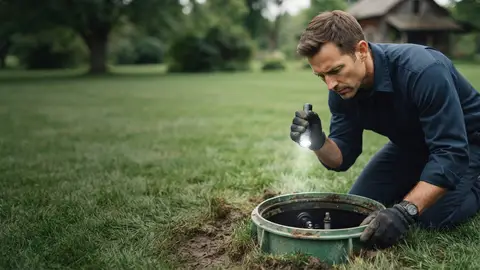
Outside city limits, private wells and septic tanks are common. A well needs a working pump, pressure tank and pressure switch, and its water should be tested periodically for bacteria and nitrates. A septic system needs pumping every few years and a drain field that is not crushed by vehicles, flooded by downspouts or invaded by tree roots.
City water and sewer vs. well and septic| System | What to watch | Typical service |
|---|
| City water | Pressure, leaks at the meter and service line | Water line repair, pressure-reducing valve |
|---|
| City sewer | Roots, sags and cracks in the lateral, storm backups | Camera inspection, hydro jetting, sewer repair |
|---|
| Private well | Loss of pressure, cloudy or off-tasting water | Pump and pressure tank service, water testing, filtration |
|---|
| Septic system | Slow drains, soggy yard, odors | Pumping, inspection, drain field repair |
|---|