Spot repair
Fixes: One broken or separated joint
Notes for Alaska: Small dig; easiest in summer
Sewer freezes every January, or backs up when the snow melts? Sewer line repair and replacement in Alaska fixes the cause our camera finds. Alaska sewer laterals live a hard life: frost heave lifts and drops them, earthquakes shift joints, permafrost thaws unevenly under some Interior lots, and a sag that holds water turns into an ice plug every winter. Here we explain how our plumbers inspect a line, the repairs that work in cold ground, when to schedule digging and how permits work.
The service
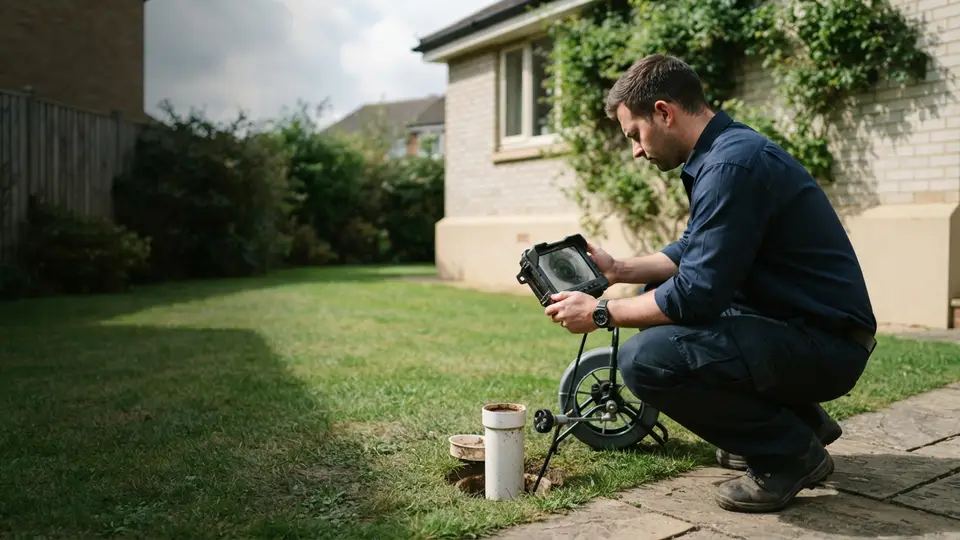
The sewer lateral runs from the house to the city main or to a septic tank. On city sewer, the property owner is usually responsible for the lateral up to the main or the property line, depending on the utility. We inspect laterals with a camera, repair damaged sections, replace failing lines, correct sags that hold water and freeze, and add insulation where cover is shallow.
Repair options in cold ground
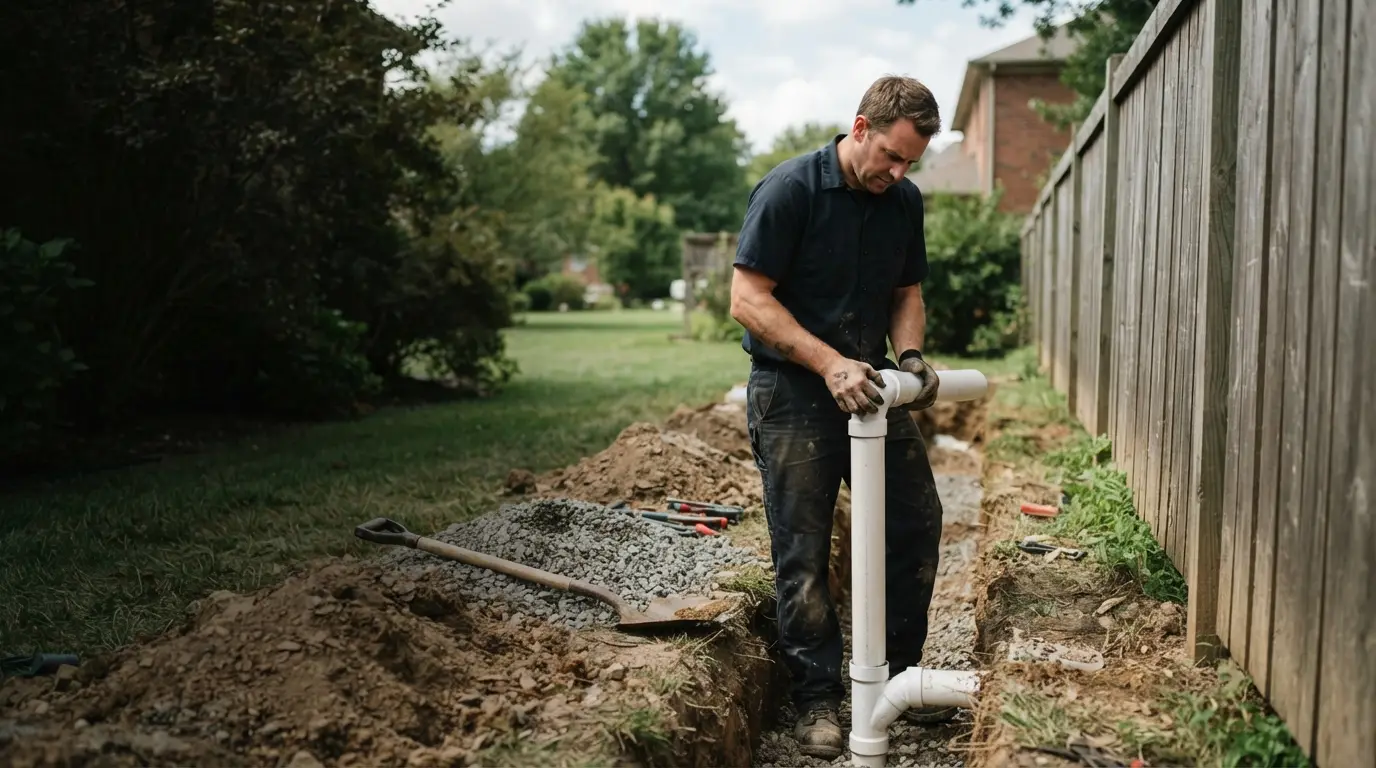
Fixes: One broken or separated joint
Notes for Alaska: Small dig; easiest in summer
Fixes: Cracks and root entry in pipe that keeps its shape
Notes for Alaska: Little digging; does not fix a sag
Fixes: Sags and low spots that freeze
Notes for Alaska: Requires excavation; can add insulation board
Fixes: Collapsed or badly shifted line
Notes for Alaska: Best planned for the thawed season
Why Alaska
When wet soil freezes it expands, lifting whatever is buried in it, then settles when it thaws. Year after year, that movement pulls joints apart and creates bellies where water sits. A belly in a sewer line is a frozen plug waiting to happen.
Southcentral Alaska has frequent earthquakes, and strong ones can crack rigid pipe, shift joints and break connections at the foundation. After a large quake, a camera check of an older line is worth it.
37% of homes in our Alaska Census data were built before 1980, including 45% in Anchorage, 46% in Juneau and 51% in Sitka. Older laterals of cast iron, clay or early plastic crack and corrode, and Southeast's wet soils and big roots speed that up.
In parts of the Interior, thawing permafrost lets the ground settle unevenly, dragging buried lines out of grade. Lines in those areas need careful bedding and sometimes insulation to limit thaw.
Warning signs
Our process
We clear or thaw the line so the house can use its drains while we plan the repair.
We record the inside of the line and mark the depth and position of each sag, crack or break from the surface.
Some repairs can be done in winter with ground thawing; others are better scheduled once the ground opens. We explain the trade-off and how to manage in the meantime.
You approve the price, and we pull the permit and call Alaska 811 for utility locates.
We fix the line, add insulation board over shallow sections where it helps, have the work inspected and finish with a camera pass.
Typical cost
After the camera inspection you get a written price, and if waiting for summer would save you money, we tell you.
Get a written price: (833) 733-2357Excavating frozen ground needs thawing or heavy equipment and costs more than summer digging.
Deep lines and long runs to the street take more work.
Lining avoids digging but cannot correct a sag; regrading requires excavation.
Driveways, retaining walls and landscaping over the line add cost.
Fees and travel vary across Alaska communities.
Benefits
Removing a sag and adding insulation stops the yearly ice plug.
Repairing quake or frost damage at the foundation stops leaks into the soil.
Before and after video helps when you sell.
One planned repair replaces repeated thawing visits.
Stop using water in the house if drains are backing up. If you know where the outdoor cleanout is and it is not buried under snow, do not open it in deep cold unless we ask you to, since the escaping water will freeze around it.
Keep people and pets away from any sewage, and wear gloves if you must move things. Call us and let us know whether the line has frozen before.
Not every sewer repair has to happen in January. If the camera shows a sag or crack that can wait for the thaw, we can often keep the line working with a few steps: scheduled hot-water jetting to keep ice from building, a heat cable fed into the line where it is safe and allowed, and changes in how the house uses water, such as running a full load of laundry rather than several small ones so warm water moves through the pipe in volume.
We put that plan in writing alongside the summer repair price, so you can weigh the cost of getting through the winter against digging frozen ground now. If the line is broken or sewage is reaching the soil, we recommend repairing it right away regardless of the season.
Sewer repair and replacement usually need a permit and inspection from the city, and the sewer utility may inspect the connection to its main. Rules vary between Anchorage, Fairbanks, Juneau and smaller communities. Our plumbers hold Alaska certificates of fitness, we are a state-registered contractor, and we handle the permit, the locate and the inspection.
Why choose us
What you can count on every time one of our plumbers comes to your door.
Every job is handled by a plumber who holds the license your state or city requires, backed by liability insurance.
Our plumber explains the problem and the options, and you approve a written price before any work begins.
Burst pipes, sewage backups and failed water heaters get priority scheduling, including nights and weekends.
We pull permits when the job needs one and schedule the inspection, so the work holds up when you sell.
Repairs and installations come with a written warranty on labor, on top of the manufacturer's warranty on parts.
Our pages and plumbers account for your area's water, soil, climate and the age of the homes around you.
Service area
We repair sewer lines across 355 Alaska communities:
It depends on depth, length, method, surface restoration and the season. After the camera inspection, you get a written price.
Often, since frozen ground costs more to dig. If the line can be kept working until then, we explain how and quote both options.
It is priced separately and you keep the footage. It shows whether you need a repair, a regrade or just a cleaning.
Not if a sag is the cause, because lining follows the old pipe's shape. Sags need regrading by excavation.
Yes. Where cover is shallow, we lay rigid insulation over the line during the repair to keep frost away from it.
Usually the property owner, up to the main or the property line depending on the utility. We confirm it before work.
It can cause headaches and nausea and contains flammable methane. Ventilate, avoid flames and call us to find the leak.
For older lines, yes. Strong shaking can crack pipe and shift joints, and a camera check finds damage early.
A spot repair can take a day. Regrading or replacement takes longer, and winter work adds thawing time.
Not while the line is open. We tell you in advance and keep that time as short as possible.
Leave snow cover over it, keep water flowing and fix any sag. Insulation helps where the line is shallow.
Yes, especially for older homes. A camera inspection reveals sags, cracks and freeze damage before you commit.
Yes. Stop using water and call us. We restore flow first, then inspect the line to plan the repair.
Frost heave, settling after thaw, earthquakes and permafrost movement shift the ground the pipe rests on.
Usually, inside cities with building departments. We check your location, pull the permit and arrange the inspection.