Restaurants
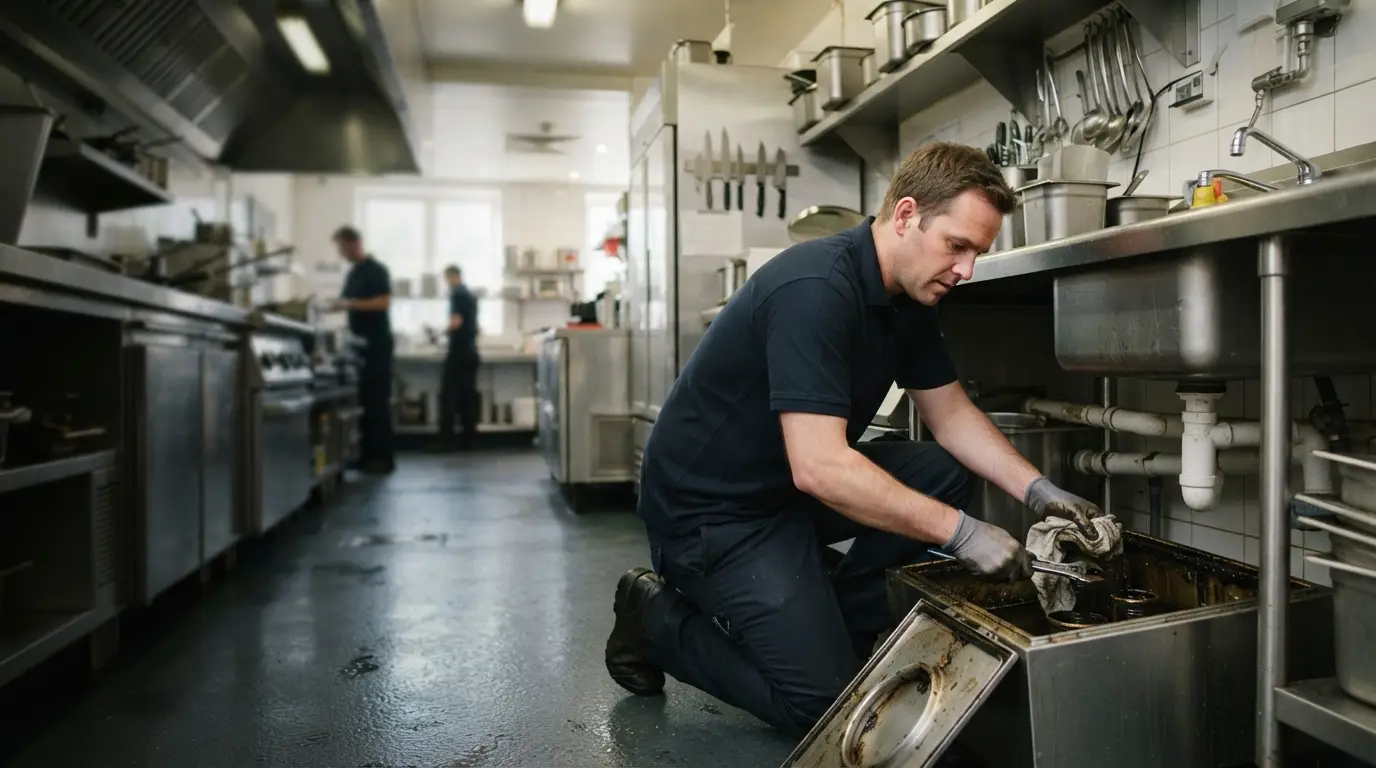
Common work: Grease traps and interceptors, kitchen drains, water heaters, gas lines
Kitchen drain backing up mid-service, or tenants calling about no hot water? Commercial plumbing in Arizona is work our plumbers know well. Businesses and multi-unit buildings face the same Arizona conditions as homes, hard water, heat and older sewer lines, but with heavier use and more at stake when something fails. We serve restaurants, offices, retail stores and apartment buildings. This page covers what we do for each, how we schedule around your hours, and what the rules require.
The service
Commercial plumbing runs on bigger pipe, higher flows and stricter rules than a house. A restaurant may run its kitchen drains for 14 hours a day; an apartment building shares one main line among dozens of units. We handle repairs, planned maintenance and replacements, and we keep the records building owners and inspectors ask for.
What we handle by property type
Common work: Grease traps and interceptors, kitchen drains, water heaters, gas lines
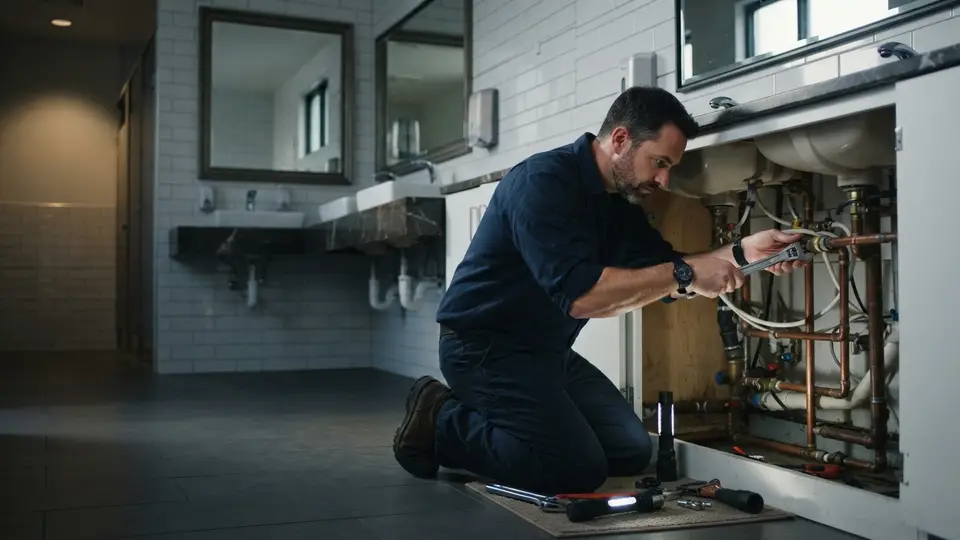
Common work: Restrooms, water heaters, backflow testing, leak repair
Common work: Main line cleaning, water heaters, unit repairs, repiping
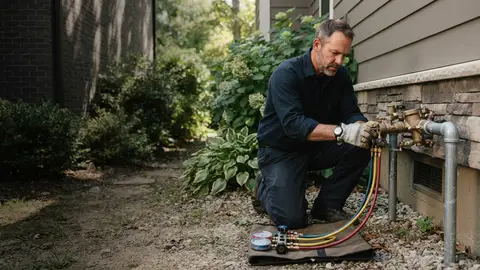
Common work: Backflow assemblies, gas piping, water treatment
Why Arizona
Restaurant drains collect fats, oils and grease, and hard water scale gives the grease a rough surface to cling to. Lines narrow quickly without regular cleaning, and an overflowing grease interceptor can bring a city inspection.
Commercial water heaters run hard all day. Sediment from hard water builds up fast, cutting output and shortening tank life unless the heaters are flushed on a schedule.
Older commercial districts in cities such as Tucson, Phoenix and Tempe sit among neighborhoods where many homes predate 1980 (52%, 42% and 41% respectively in our Census data). Buildings from that era often have cast iron drains and galvanized supply lines nearing the end of their service life.
17% of homes in our Arizona Census data are in buildings with five or more units, and 34% of occupied homes are rented. In those buildings one clogged main or failed water heater affects many tenants at once.
Warning signs
Our process
We clean kitchen lines with hydro jetting, repair and replace grease traps and interceptors, and set up maintenance schedules that fit your city's grease rules. We work before opening or after close whenever possible so service is not interrupted. Where a kitchen has a floor drain that backs up during the dinner rush, we camera the line to find out whether grease, a belly or a broken section is to blame, then fix the cause.
We repair restrooms, replace commercial water heaters, test and repair backflow assemblies and find hidden leaks, with work scheduled around business hours. For retail spaces we can also add or relocate restrooms and sinks during a remodel or tenant change.
For apartment and condo buildings, we clean main lines, replace shared water heaters and boilers, repipe buildings in phases and handle unit repairs for property managers, with notice to tenants when water must be shut off. Managers get a written summary after each visit listing the units we entered and what we found.
Typical cost
We give you a written price for each job, and for recurring maintenance we put the schedule and price in writing.
Get a written price: (833) 733-2357Larger pipe, more fixtures and bigger equipment take more time and material.
After-hours work to avoid disrupting business costs more than daytime work.
Work in ceilings, shafts and occupied units takes more planning.
Commercial permits and inspections vary by city.
Scheduled cleaning and flushing can lower emergency costs over time.
Benefits
Planned maintenance catches problems before they close a kitchen or restroom.
Backflow reports and grease trap service logs are ready for inspectors.
Owners with locations across Arizona can use one plumbing contractor.
Written prices for every job help with budgeting.
Know where the building's main shutoff and any zone valves are, and keep access to them clear. For a backup in a restaurant, stop using the affected sinks and dishwasher and keep staff away from the floor drains.
For a leak in a multi-unit building, shut off the nearest valve and alert tenants below. Then call us and tell us how many units are affected.
Most Arizona cities run fats, oils and grease programs that require food businesses to have a properly sized grease trap or interceptor, keep it pumped on a set schedule and keep records of each service. Inspectors may ask to see those records, and a city can issue fines or require cleanup when grease from a business clogs the public sewer.
We size and install interceptors to meet your city requirements, repair baffles and lids, and jet the lines between the kitchen and the trap so grease reaches the interceptor instead of setting in the pipe. Rules and schedules vary by city, so we confirm yours before setting a plan.
Commercial plumbing work in Arizona usually needs permits and inspections from the city or county, and many cities have their own grease and backflow programs. Our commercial work is done under a plumbing contractor license from the Arizona Registrar of Contractors. We pull permits, schedule inspections and keep service records for your files.
Why choose us
What you can count on every time one of our plumbers comes to your door.
Every job is handled by a plumber who holds the license your state or city requires, backed by liability insurance.
Our plumber explains the problem and the options, and you approve a written price before any work begins.
Burst pipes, sewage backups and failed water heaters get priority scheduling, including nights and weekends.
We pull permits when the job needs one and schedule the inspection, so the work holds up when you sell.
Repairs and installations come with a written warranty on labor, on top of the manufacturer's warranty on parts.
Our pages and plumbers account for your area's water, soil, climate and the age of the homes around you.
Service area
We serve businesses in 467 Arizona communities. Choose your city:
It depends on the scope, size, access and scheduling. You get a written price for each job before work begins.
Yes. We set a schedule for line cleaning, water heater flushing and backflow testing, with the price in writing.
Yes. Work before opening or after closing carries a higher rate, which many businesses accept to avoid downtime.
Yes. We schedule work before opening, after close or in phases so your business keeps running.
We clean kitchen lines and repair and replace grease traps and interceptors, and set schedules that meet city rules.
Yes. We handle unit repairs, shared systems and building-wide projects, with notice to tenants for shutoffs.
Evacuate, call the gas utility or 911 from outside, then call us for the repair once the area is safe.
In restaurants, yes. Stop using affected fixtures, keep staff away and call us to clear the line.
Often a day, depending on size, venting and access. We plan it to limit time without hot water.
Yes, usually in phases, with water shut off for limited times and advance notice.
It depends on volume and menu. Many kitchens benefit from jetting every few months.
Yes. We provide written records of maintenance, backflow tests and repairs for your files and inspectors.
Yes. Backups, burst pipes and failed water heaters get priority scheduling, including nights and weekends.
Yes. Scale cuts water heater output and damages dishwashers and ice machines. Water treatment helps.
Most repairs beyond simple fixes do. We pull the city or county permit and schedule inspections.