Pumping
What it involves: Removing sludge and scum from the tank
When you need it: Every few years, depending on use
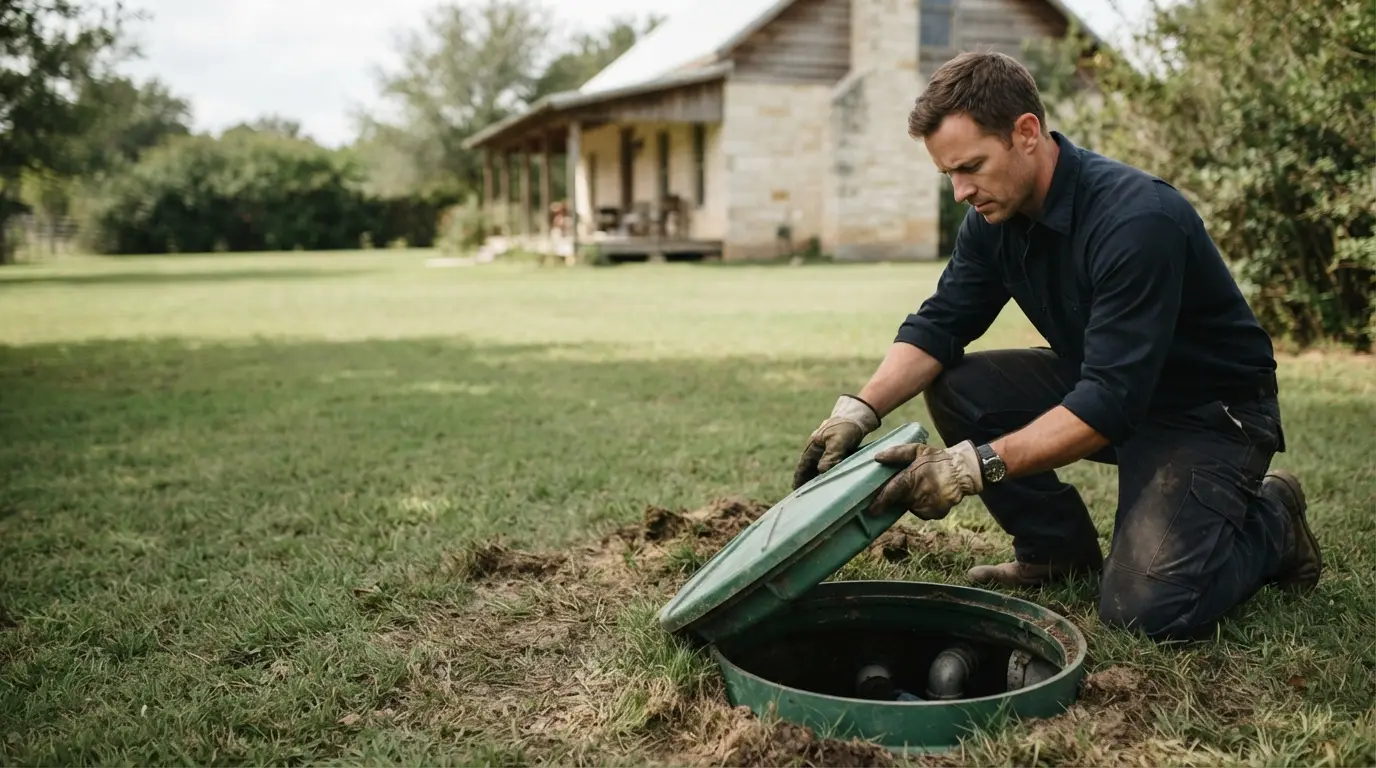
Slow toilets or a wet drain field? Septic tank services in Arizona from our plumbers cover pumping, inspection and repair. Outside the big city sewer systems, a large number of Arizona homes treat their own wastewater, from desert lots near Tucson to pine country around Prescott and Show Low. This page explains how Arizona septic systems work, what goes wrong with them, how we service them and what the state requires when a property changes hands.
The service
A conventional system has two parts. The tank, usually buried a short distance from the house, holds wastewater long enough for solids to settle to the bottom as sludge and grease to float to the top as scum. The clearer liquid in the middle flows out to the drain field, a set of trenches or chambers where it soaks into the soil and is treated as it filters down.
Some Arizona properties use alternative systems instead, such as aerobic treatment units, sand filters or pressure-dosed fields, where soil is shallow, rocky or close to groundwater. These have pumps, alarms and controls that need regular service on top of pumping.
Our septic services
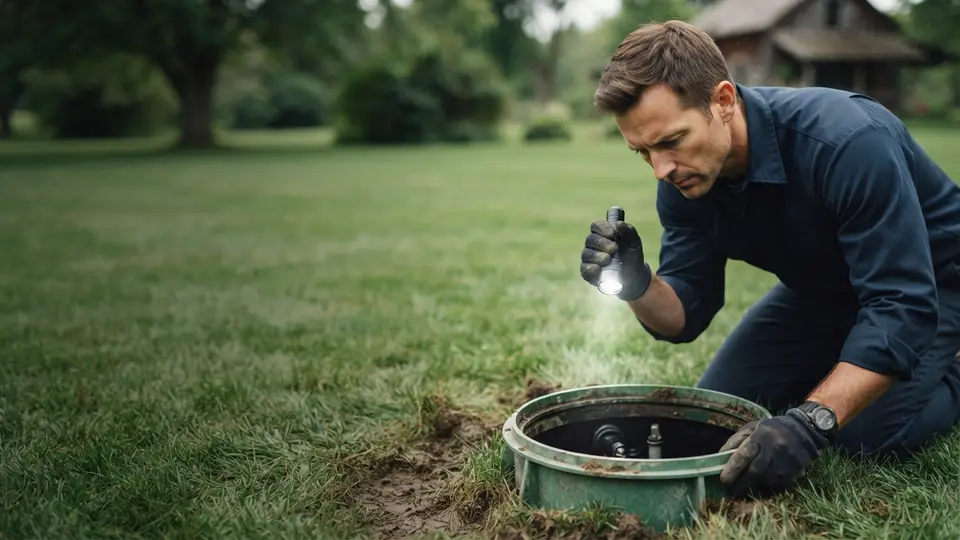
What it involves: Removing sludge and scum from the tank
When you need it: Every few years, depending on use
What it involves: Checking levels, baffles, lids, field and components
When you need it: Before a sale, or when problems start
What it involves: Clearing, repairing or replacing failed trenches
When you need it: Pooling, odors or backups
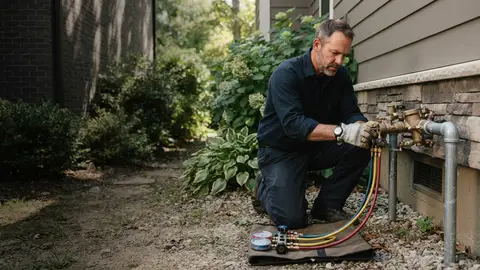
What it involves: Baffles, filters, pumps, alarms, risers
When you need it: Found during pumping or inspection
Why Arizona
Our Census data lists 376 unincorporated communities in Arizona, home to 986,806 people. Many of them sit beyond city sewer lines, and so do many homes on large lots at the edge of incorporated towns. That is where our septic calls come from, and the problems follow a few patterns.
When sludge fills the tank, solids flow out into the drain field and clog the soil. A field ruined that way often has to be rebuilt, which costs many times more than regular pumping.
A drain field needs soil that absorbs water. Caliche and shallow bedrock, common across much of the state, slow absorption and limit where a field can go, which is why some properties need alternative systems.
Heavy summer storms can flood a drain field for days. A field that is already weak may back up into the house until the ground dries out.
Homes that sit empty for months, common in river and retirement communities and in the high country, can see tank bacteria drop off and pumps or alarms fail unnoticed.
Warning signs
Our process
We locate and open the tank lids, measure the sludge and scum layers, pump the tank empty and check the inlet and outlet baffles and any effluent filter while it is open. If the lids are deeply buried, we can add risers so future pumping does not need digging.
An inspection checks the tank structure, liquid levels, baffles, filters, pumps and alarms, and looks at the drain field for pooling or signs of failure. For a property sale in Arizona, the inspection follows the state's required format and report.
When a field fails, we find out why first: a crushed pipe, a clogged distribution box, roots or saturated soil. Some fields can be cleared and repaired; others need new trenches or a replacement system, which requires a permit and design approval.
Typical cost
We explain what we found and give you a written price before any repair, so you can decide with the facts in front of you.
Get a written price: (833) 733-2357Larger tanks and buried lids take longer to pump; risers lower future costs.
Aerobic and pressure systems have more parts to check than a gravity system.
Rural properties far from town may carry a travel charge.
Clearing a line costs far less than building a new drain field, which also needs permits and design work.
Benefits
Pumping on schedule keeps solids out of the field, the most expensive part to replace.
A tank with room to spare handles guests, holidays and laundry days.
A current inspection report avoids last-minute surprises at closing.
A working system protects the wells many rural Arizona homes drink from.
Cut water use right away: hold off on laundry, dishwashing and long showers, and spread out toilet flushes. If an alarm is sounding on a pump or aerobic system, you can usually silence the buzzer at the panel, but leave the breaker on unless we tell you otherwise.
Keep people, pets and vehicles off a soggy drain field, and never open a tank lid or lean over an open tank; septic gases can overcome a person quickly. Call us and tell us when the tank was last pumped if you know.
Arizona regulates septic systems through the Arizona Department of Environmental Quality, with many counties handling permits under that authority. When a home on a septic system is sold, Arizona requires an inspection of the system by a qualified inspector, along with a report, as part of the transfer. New systems and drain field replacements need a permit and an approved design.
Requirements and fees differ by county, so we confirm them for your property. Our plumbing work is done under an Arizona Registrar of Contractors plumbing contractor license, and we handle the permits and inspections a repair needs.
Why choose us
What you can count on every time one of our plumbers comes to your door.
Every job is handled by a plumber who holds the license your state or city requires, backed by liability insurance.
Our plumber explains the problem and the options, and you approve a written price before any work begins.
Burst pipes, sewage backups and failed water heaters get priority scheduling, including nights and weekends.
We pull permits when the job needs one and schedule the inspection, so the work holds up when you sell.
Repairs and installations come with a written warranty on labor, on top of the manufacturer's warranty on parts.
Our pages and plumbers account for your area's water, soil, climate and the age of the homes around you.
Related services
Service area
Larger unincorporated communities we serve, where septic systems are more common:
It depends on tank size, how hard the lids are to reach and how far you are from town. You get a written price before we start pumping.
The price depends on the system type and access to the tank. Alternative systems take longer to inspect. We quote the full inspection and report up front.
A failed field may need new trenches, fresh gravel or chambers, a permit and a design. Pumping on schedule is the best way to avoid that bill.
We open the tank, check levels, baffles, filters, pumps and alarms, and walk the drain field for signs of failure, then give you a written report.
Yes. Risers bring the lids up to ground level so future pumping and inspections do not need digging, which saves time on every visit.
Sometimes a crushed pipe, clogged distribution box or roots are to blame and can be fixed. A field clogged with solids usually needs replacing.
Yes. Septic gases can overcome a person in seconds, and an open tank is a falling hazard. Leave the lids closed and let our crew handle it.
A system with regular pumping and normal use does not need them. Some additives can stir solids into the drain field, so we do not recommend them.
Most residential tanks take an hour or two, including locating the lids and checking the baffles. Buried lids or large tanks take longer.
The work itself often takes a few days, but permits and design approval add time before we can start. We give you a schedule with the quote.
Most households need it every three to five years. Larger families, smaller tanks and heavy garbage disposal use mean more frequent pumping.
Grease, wipes, paper towels, cat litter, medicines, paint and strong chemicals. They clog the tank or kill the bacteria that break waste down.
Stop using water, keep people and pets away and call us. We pump the tank or clear the line first, then find out why it backed up.
Yes. Arizona requires a septic inspection by a qualified inspector when a property with a septic system changes hands. Confirm the details with your county.
It can. Caliche and shallow rock slow how fast the soil absorbs water, which limits drain field size and location and sometimes calls for an alternative system.