Restaurants, bars and breweries
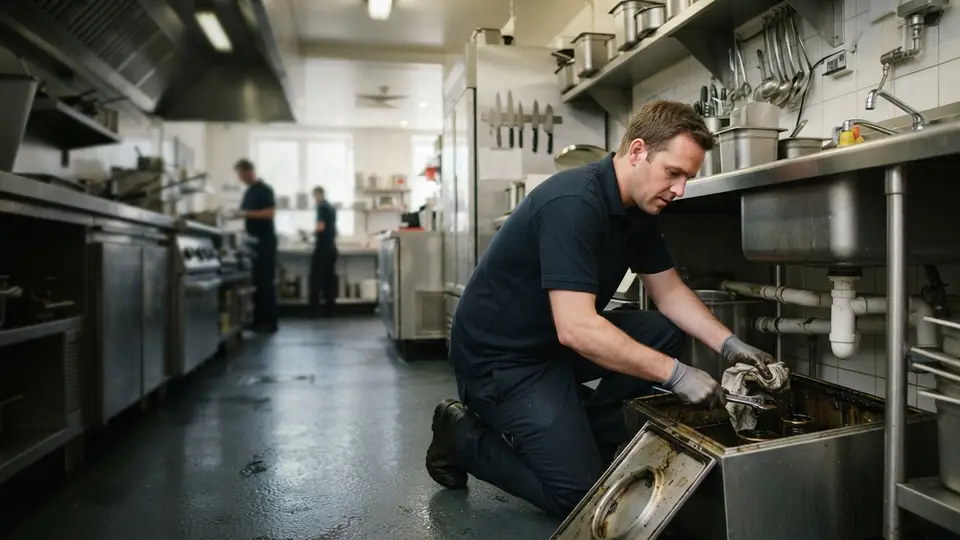
Common work: Grease interceptors, kitchen line jetting, floor sinks, gas hookups
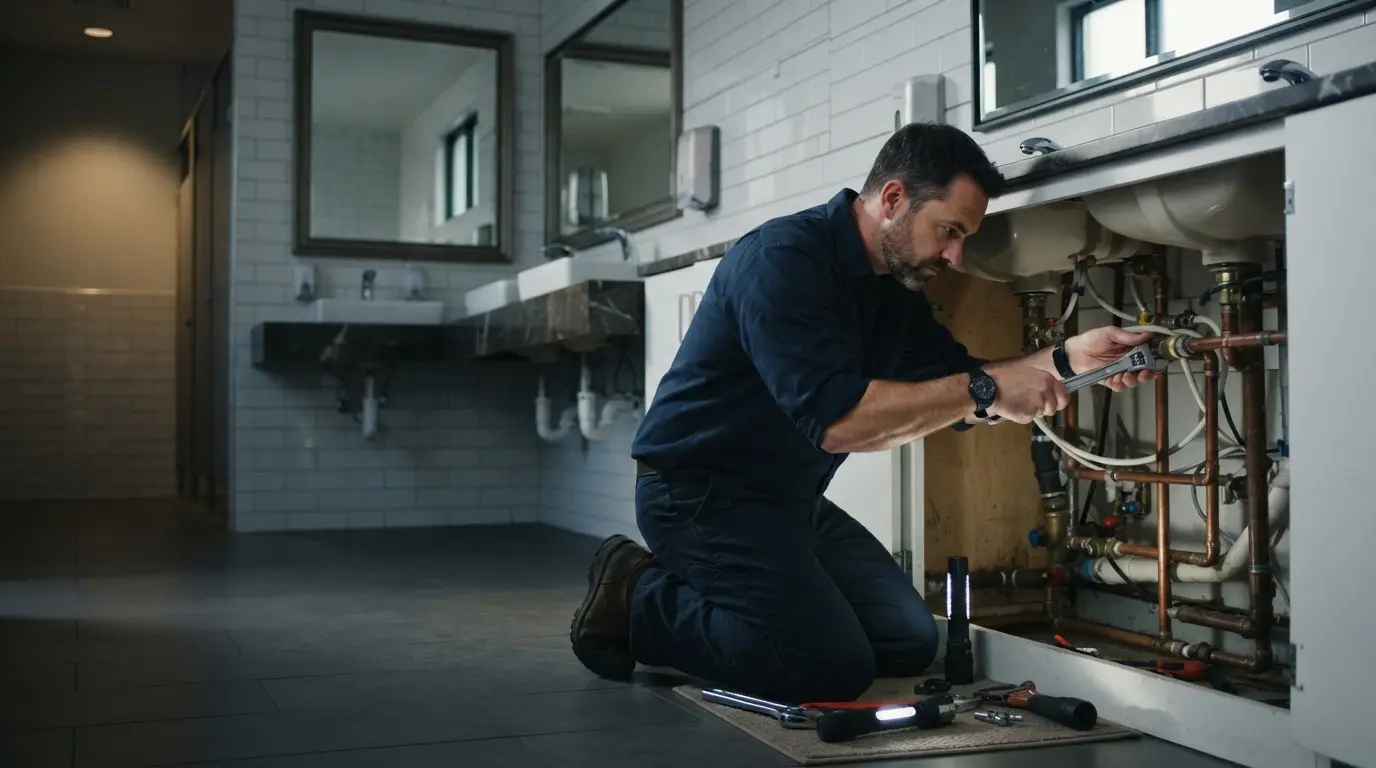
Kitchen drains backing up, or a frozen line at a closed shop? We provide commercial plumbing in Colorado for restaurants, offices, retail and apartments. Commercial plumbing here faces the same cold and altitude as homes, plus grease rules, backflow programs, heavy use and buildings that sit empty over holidays. Mountain lodging adds peak-season demand on hot water and drains. We fix urgent problems, plan larger work around your hours and keep the records inspectors ask for. Here is what we do and how we work with you.
The service
We work for business owners, tenants responsible for their spaces, property managers, HOAs and facility staff. Our work covers repairs, preventive maintenance, equipment replacement and plumbing for tenant finish projects.
Who we serve
Common work: Grease interceptors, kitchen line jetting, floor sinks, gas hookups
Common work: Restroom fixtures, water heaters, backflow, leak repair, freeze protection
Common work: Drain stacks, risers, central water heaters, shutoffs, unit turnovers
Common work: Large hot water systems, guest room fixtures, laundry, pools and spas
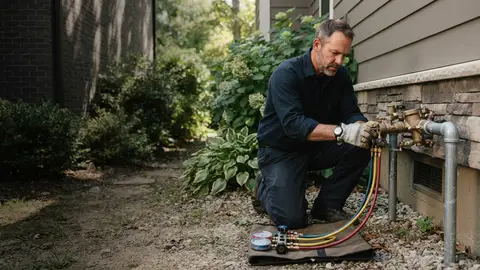
Common work: RPZ backflow, mixing valves, restroom groups
Why Colorado
Colorado restaurants and breweries send large volumes of grease and solids down drains. Local utilities run grease programs that require interceptors and pumping records, and neglected interceptors back up into kitchens.
Storefronts and offices closed over long weekends, with heat turned down, are where commercial freeze-ups happen, often in sprinkler lines, restrooms on exterior walls and loading dock areas.
26% of Colorado homes are in buildings with five or more units, and renters occupy 51% of Denver homes, 53% in Boulder and 48% in Fort Collins. Shared stacks and water heaters serve many households.
Older downtowns in Denver, Pueblo and many county seats have buildings with cast iron and galvanized pipe. 72% of Pueblo homes predate 1980, and commercial blocks are often older.
Warning signs
Our process
We jet kitchen lines, repair and replace grease traps and interceptors, fix floor sinks and indirect waste, and connect gas cooking equipment set up for altitude. We schedule outside service hours and keep records for inspectors.
We repair flush valves and fixtures, replace water heaters, find leaks, test backflow and protect vulnerable pipes from freezing.
We clear stacks, replace riser and unit valves, service central water heaters and boilers, and handle turnovers, coordinating access and notices with management.
Typical cost
We give a written price before work starts, and a written scope for larger jobs.
Get a written price: (833) 733-2357More fixtures and bigger equipment mean more work.
Avoiding closures can mean evening or early work.
Grease, backflow and accessibility rules add scope.
Ceilings, shafts and occupied units take planning.
Commercial heaters, interceptors and RPZ devices cost more.
Benefits
Scheduled jetting and testing prevent breakdowns during business.
Grease and backflow records stay organized.
Leaks and running fixtures add up across many units.
Planned freeze protection avoids holiday disasters.
Resort towns such as Breckenridge (7,883 homes in our data) and Vail (6,787) see hotels, condos and restaurants go from quiet to full in a weekend. Hot water systems must handle peak demand from dozens of showers at once, and drains and grease systems see heavy loads during ski season and holidays. We size and maintain equipment for those peaks, schedule maintenance for shoulder seasons and respond to urgent calls that cannot wait.
We identify the pipes most likely to freeze in your building, such as those above loading docks, in exterior walls, in unheated vestibules and in fire sprinkler branches, and add insulation, heat cable where appropriate, low-temperature alarms and automatic shutoff valves. Before long closures, we can walk the building with your staff and set it up to ride out a cold snap.
When a space changes use, plumbing often has to change too. We rough in restroom groups, break rooms, mop sinks, floor drains, grease interceptors and water heaters from approved plans, coordinate with your contractor and other trades and pass rough and final inspections. Changes of use can trigger fixture count, accessibility and grease requirements, settled at plan review.
Colorado has a large brewing and food production scene, and those businesses put unusual loads on plumbing: hot caustic cleaning water, high-volume floor drains, trench drains in production areas, and process equipment that needs backflow protection. Wastewater utilities may set pretreatment or sampling requirements for some of these discharges. We install and maintain floor and trench drains, interceptors, high-temperature-rated piping where it is needed, and backflow devices on process connections.
Restaurants, gyms, salons and apartment buildings need large amounts of hot water at once, and Colorado winters deliver very cold inlet water. We size commercial tank heaters, boilers with storage and racks of tankless units for the real peak, choose altitude-rated equipment, add thermostatic mixing valves where water must be tempered, and set up recirculation so customers and tenants are not waiting for hot water.
Make sure staff know where the main water shutoff, fixture stops and gas shutoffs are. For a backup, stop using affected fixtures and post signs. For a gas odor, evacuate and call the utility from outside.
Have keys to mechanical rooms, the location of cleanouts and interceptors, and the name of the person who can approve work ready when we arrive.
Commercial plumbing in Colorado follows the state plumbing code and local permit rules, with grease programs run by wastewater utilities and backflow programs run by water providers. Our plumbers hold the Colorado plumbing license required for commercial work, our backflow testers are certified, and we handle permits and inspections.
Why choose us
What you can count on every time one of our plumbers comes to your door.
Every job is handled by a plumber who holds the license your state or city requires, backed by liability insurance.
Our plumber explains the problem and the options, and you approve a written price before any work begins.
Burst pipes, sewage backups and failed water heaters get priority scheduling, including nights and weekends.
We pull permits when the job needs one and schedule the inspection, so the work holds up when you sell.
Repairs and installations come with a written warranty on labor, on top of the manufacturer's warranty on parts.
Our pages and plumbers account for your area's water, soil, climate and the age of the homes around you.
Service area
We serve businesses in 482 Colorado places. Choose yours:
By scope, equipment, access, code and utility requirements and scheduling. You get a written price first, and a written scope and schedule for larger projects.
Yes, but it often costs less than closing during business hours. We talk through both options so you can choose what makes sense.
Interceptor size, how full it is, access and service frequency. Regular scheduled pumping usually costs less than emergency cleanouts.
Yes. We schedule disruptive work before opening, after closing or during slow periods, and tell you in advance what will be out of service.
Yes. We keep grease, backflow and repair records and send copies when an inspector, landlord or franchise auditor asks.
Yes. We follow approval limits, coordinate tenant access and send invoices with unit numbers, photos and notes.
Evacuate, avoid switches and equipment and call the gas utility from outside. We repair the leak once the utility makes it safe.
Yes. Stop using affected fixtures, protect food areas and call us. Contaminated areas must be cleaned before service resumes.
Often a day. Larger systems or venting changes take longer, and we plan the swap to keep downtime short.
Most flush valve and fixture repairs are finished on the first visit with parts we carry.
It depends on size and kitchen volume, and your utility may set a schedule. Busy kitchens often need frequent service.
Keep heat at a safe level, add low-temperature alarms and shutoff valves, and have us check freeze-prone areas beforehand.
Call us. A building without a working restroom is urgent and gets priority scheduling.
Generally yes, under local wastewater utility programs that set sizing, maintenance and record keeping.
Most do. Water providers require testable devices to be checked by a certified tester, usually every year.