Toilet
Typical problem: Runs, rocks, weak flush, base leak
Usual fix: Flapper, fill valve, new seal, or replacement
Toilet running all night, or a faucet you have to crank shut? We provide toilet, faucet and fixture repair in Colorado, along with new installations. Colorado homes range from century-old Denver bungalows to new suburban builds, and fixtures fail in different ways in each: worn washers and old valves in older homes, scale from harder water, and frozen outdoor faucets every winter. We repair or replace toilets, faucets, sinks, showers, tubs and disposals, and handle plumbing for kitchen, bath and basement remodels. Here is how.
The service
We repair and replace every fixture in the house and the valves and supply lines that serve them. You can supply your own fixtures or choose from options we recommend. Before replacing anything, our plumber checks whether a repair will last, and we explain the price of each choice.
Common fixture work
Typical problem: Runs, rocks, weak flush, base leak
Usual fix: Flapper, fill valve, new seal, or replacement
Typical problem: Drips, stiff handle, low flow
Usual fix: Cartridge, aerator cleaning, new faucet
Typical problem: Dripping valve, temperature swings, diverter failure
Usual fix: Cartridge or valve replacement
Typical problem: Leak inside the wall after winter
Usual fix: New frost-free sillcock
Typical problem: Jammed, humming, leaking
Usual fix: Clear, reset or replace
Why Colorado
55% of Denver homes and 55% of Boulder homes predate 1980. Original valves, two-handle showers and old toilets in those homes are often past repair, and parts can be hard to find.
Water on the plains and Western Slope and from many wells is hard enough to scale cartridges, toilet valves and shower heads, so parts stick and seals wear.
Frost-free outdoor faucets split inside the wall when a hose is left attached in a hard freeze. The leak often shows up in the basement when the faucet is first used in spring.
Rentals make up 48% of homes in Fort Collins and 53% in Boulder, and fixtures there see heavy use and frequent turnover repairs.
Warning signs
Our process
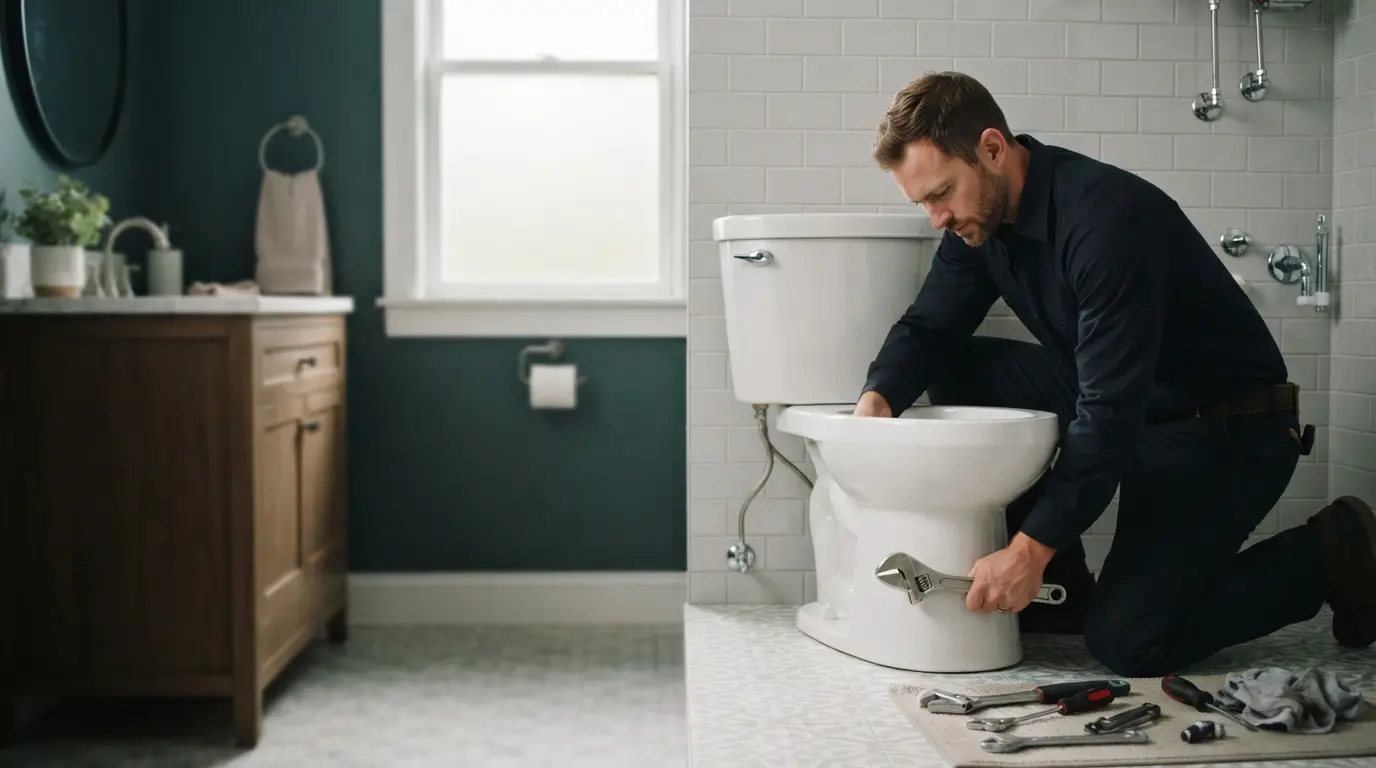
We replace flappers, fill and flush valves, reset toilets on new seals after checking the flange and floor, and install new water-efficient toilets with new supply lines and shutoffs.
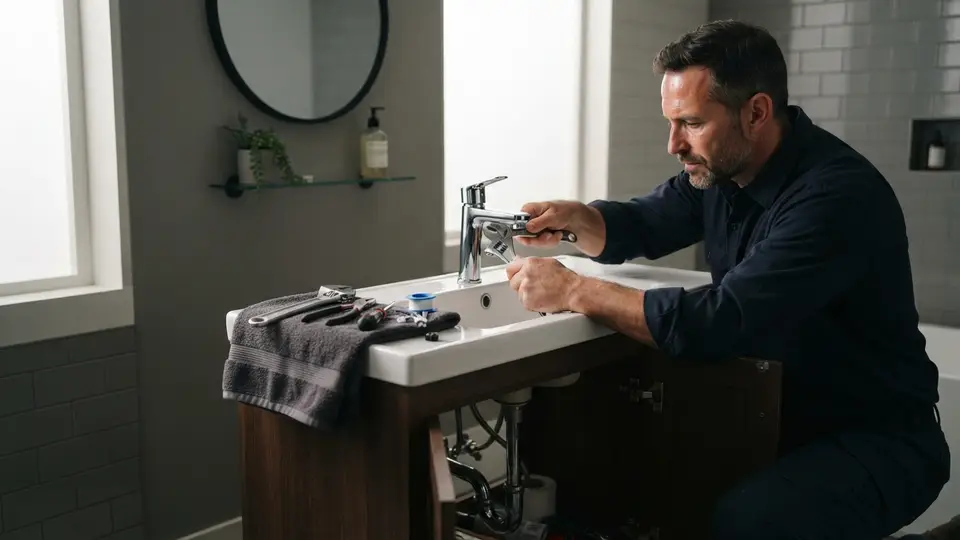
We identify the cartridge or valve, replace worn parts, clean aerators and fix leaks below the sink. New faucets go in with new supply lines.
We replace drains, basins, shower valves and diverters, and upgrade old valves to pressure-balancing types that prevent scalding.
We clear jams, fix leaks and install new disposals connected to the drain and dishwasher.
We move or add supply, drain and vent lines, set rough-in valves, pass inspection, and return to set fixtures once finishes are done.
Typical cost
You approve a written price before we begin.
Get a written price: (833) 733-2357Parts cost less than a new fixture.
Prices vary widely by brand and finish.
Old valves often need replacing first.
Rot under a toilet or water damage in a wall adds work.
Moving drains and vents costs more than swapping fixtures.
Benefits
A running toilet wastes water every hour.
Small leaks rot subfloors and cabinets over time.
Pressure-balancing valves stop sudden hot surges.
New stops let you isolate a fixture in an emergency.
Finishing a basement often includes a bathroom. If the sewer line leaves the house below the basement floor, the new fixtures can drain by gravity after we cut the slab and tie into the line. If not, an ejector pump lifts waste up to the main. We plan the layout around the existing drain, vent the new fixtures properly and handle the permit and inspections.
Frost-free sillcocks place the valve inside the heated wall, but they only work if the hose is disconnected so water can drain from the stem. We replace split sillcocks, install new ones at the right slope and add interior shutoffs so outdoor lines can be drained before winter.
We install comfort-height toilets, lever faucets, handheld showers on slide bars and low-threshold showers in place of old tubs, moving the drain and valve as needed. Thermostatic and pressure-balancing valves keep water at a steady, safe temperature for children and older family members. These changes are often simple to add during a repair visit or a remodel.
Colorado has adopted water efficiency standards for toilets, faucets and showerheads sold in the state, and many water providers encourage efficient fixtures through rebates from time to time; check with yours. Modern efficient toilets flush well when installed correctly. In older homes with long drain runs or poor slope, we check the drain line too, so a new low-flow toilet does not lead to clogs.
About 26% of Colorado homes are in buildings with five or more units. In condos, a fixture without a working stop may force a riser shutdown that affects neighbors. We coordinate with the HOA, replace missing or failed stops and restore water quickly.
Close the shutoff under the sink or behind the toilet, or the main if the stop will not close. For an overflowing toilet, press the flapper down inside the tank. For a leaking outdoor faucet, close its interior shutoff if it has one.
Switch off a jammed disposal and never reach inside. Clear the work area and note the fixture brand if you can see it. Then call us.
Like-for-like fixture replacements usually need no permit. Remodels and new bathrooms do. Our plumbers hold the Colorado plumbing license required, and we pull permits and schedule inspections as needed.
Why choose us
What you can count on every time one of our plumbers comes to your door.
Every job is handled by a plumber who holds the license your state or city requires, backed by liability insurance.
Our plumber explains the problem and the options, and you approve a written price before any work begins.
Burst pipes, sewage backups and failed water heaters get priority scheduling, including nights and weekends.
We pull permits when the job needs one and schedule the inspection, so the work holds up when you sell.
Repairs and installations come with a written warranty on labor, on top of the manufacturer's warranty on parts.
Our pages and plumbers account for your area's water, soil, climate and the age of the homes around you.
Service area
We repair and install fixtures in 482 Colorado places, from older Denver homes to newer houses in Castle Rock (median built 2007) and Highlands Ranch (1997). Choose yours:
Most toilet repairs need one inexpensive part, so labor is most of the cost. Flange or floor damage adds to it. We give you a written price first.
Repair if parts are available and the body is sound. Older or discontinued faucets are usually better replaced.
It depends on access inside the wall and any water damage. We give you a written price after looking at it.
Yes. We install customer-supplied fixtures and check that all parts are present before we start.
Yes. We plan the drains and venting, cut the slab or add an ejector pump if needed, and handle the permit and inspections.
Yes. We replace old valves with pressure-balancing or thermostatic valves, often through an access panel.
Older valves do not balance pressure. A pressure-balancing valve prevents sudden temperature spikes.
No. Switch it off and use the hex key under the unit, or call us. Never put your hand inside.
Usually one to two hours, longer if valves or supply lines need replacing.
Often two to four days including slab work, plus inspection. Fixtures are set after finishes.
Disconnect the hose every fall. If there is an interior shutoff, close it and drain the line.
When they stick, leak or will not close. Many older Colorado homes still have original valves.
Close the valve behind it or press the flapper shut. If water keeps rising, close the main and call us.
The frost-free faucet likely split inside the wall during a freeze. It needs replacement before more water reaches the basement.
In many areas, yes. Scale builds in cartridges and shower heads, especially on the plains and Western Slope.