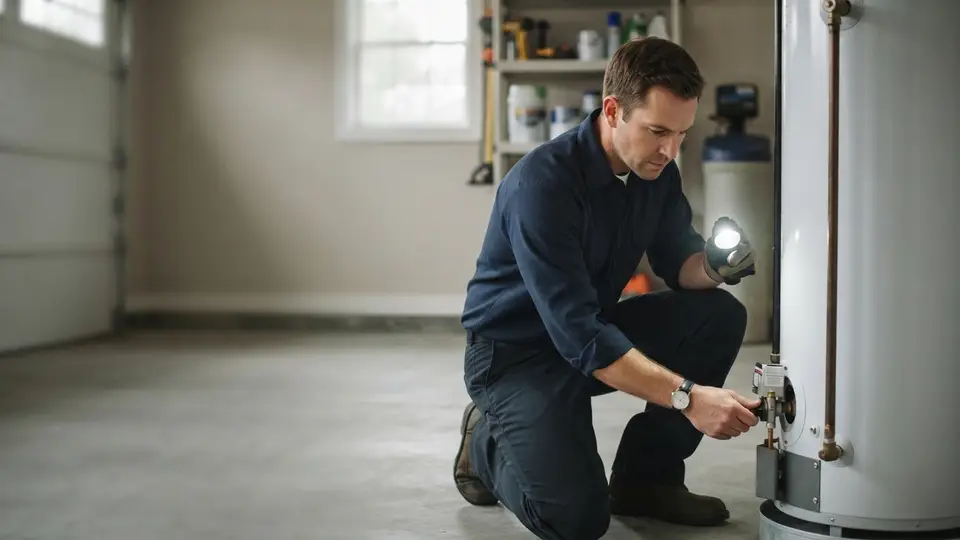
Gas tank (atmospheric vent)
Good fit: Most existing homes
Colorado notes: Must be rated for altitude; needs a sound flue and combustion air
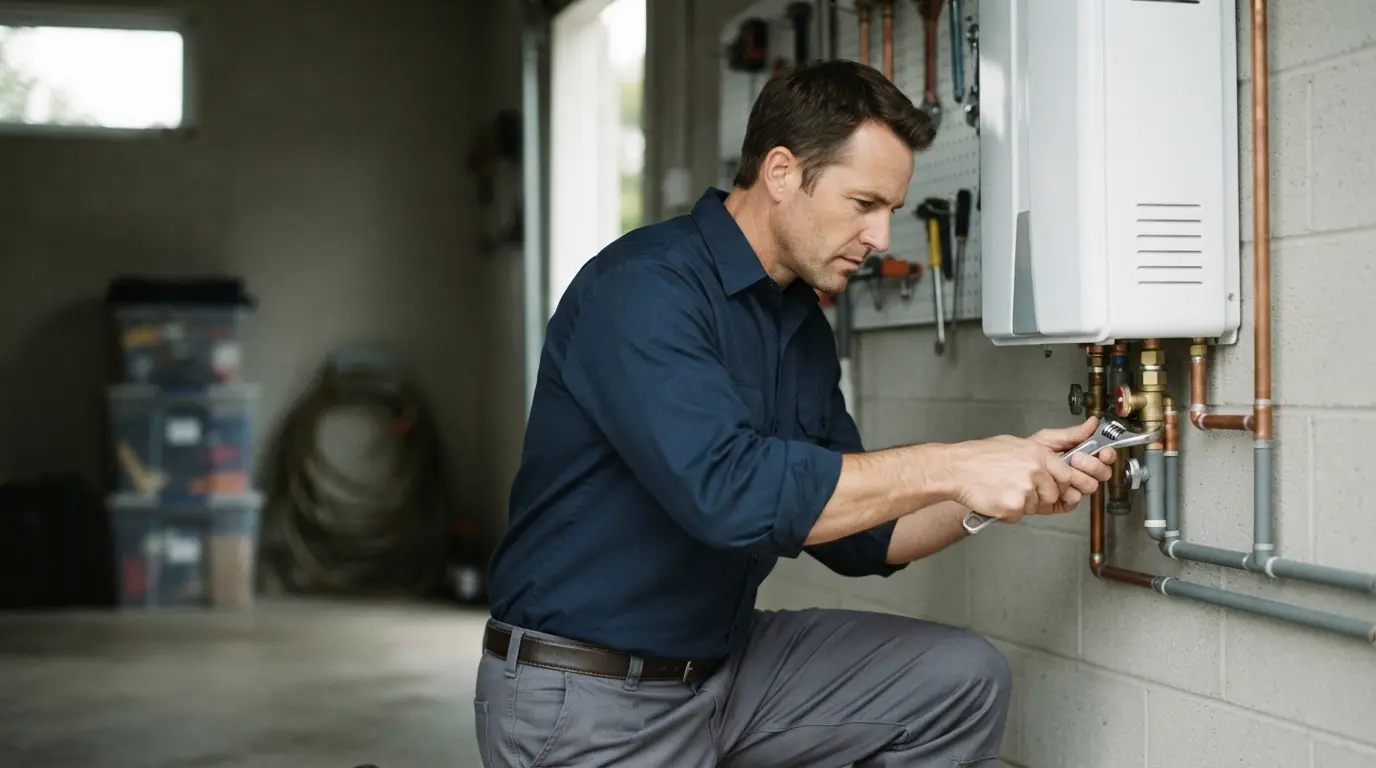
Pilot light that will not stay lit, or water around the tank in the basement? We handle water heater repair and replacement in Colorado, tank and tankless. Most Colorado homes heat water with natural gas, and at our elevations gas appliances must be rated and adjusted for altitude to burn safely. Basement and garage installations, cold incoming water in winter and scale from harder water all affect how long a heater lasts. We repair what is worth repairing and replace what is not. Here is what to watch for and how we work.
The service
69% of the Colorado homes in our Census data heat with utility gas, rising to 78% in Pueblo and 79% in Pueblo West. Gas tank water heaters are the most common type we work on, followed by tankless gas units and electric heaters in some mountain condos and newer all-electric homes.
Water heater types in Colorado
Good fit: Most existing homes
Colorado notes: Must be rated for altitude; needs a sound flue and combustion air
Good fit: Basements without a good chimney path
Colorado notes: Vents through a side wall with a fan
Good fit: Larger households, tight spaces
Colorado notes: May need larger gas line and new venting; altitude-rated models required
Good fit: Homes without gas, condos
Colorado notes: No combustion venting; heat pump units need space and airflow
Why Colorado
Thinner air means less oxygen for combustion. A water heater not rated for elevation can burn rich, sooting up the burner and flue and producing extra carbon monoxide. Manufacturers make altitude-rated models and kits, and the right setup depends on your elevation.
In winter the water entering the heater is very cold, so the burner runs longer to reach temperature. Undersized heaters and tankless units at their limit struggle most in January.
Harder water on the plains and Western Slope leaves scale in tanks and tankless heat exchangers. Grand Junction homes, with a median build year of 1988, are a common example.
Older homes in Denver, where 55% of homes predate 1980, often have water heaters sharing a chimney with a furnace. When the furnace is replaced with a high-efficiency model, the chimney may no longer vent the water heater properly.
Warning signs
Our process
We test the thermocouple or flame sensor, gas control valve, burner, igniter, thermostat, elements and relief valve. Many repairs replace a single part. We also inspect the flue and draft, check the anode rod and flush sediment.
We size the replacement to your household, install an altitude-rated unit with correct venting, a new gas connector and shutoff, a relief valve discharge line, an expansion tank where required and a drain pan where the location calls for one. The old heater is hauled away.
We confirm your gas line and meter can supply the unit, choose a model rated for your altitude and winter inlet temperature, install new venting and add isolation valves for descaling.
Typical cost
You get a written price before any work starts.
Get a written price: (833) 733-2357A thermocouple or gas valve costs far less than a new heater.
Tankless and heat pump units cost more upfront.
Altitude-rated models or kits may cost more than sea-level models.
Power venting or a new liner may be needed in older homes.
Tight closets and condos take more labor than open basements.
Required for replacement in most Colorado jurisdictions.
Benefits
Altitude-rated burners and sound venting keep carbon monoxide out of the house.
Proper sizing accounts for cold winter inlet water.
Flushing and anode checks fight scale and corrosion.
A clean, well-adjusted burner uses less fuel.
Resort towns such as Breckenridge (median home built 1991) and Vail (1987) have many condos with water heaters in tight closets or shared mechanical rooms, sometimes serving several units. Elevations there are even higher than on the Front Range, so altitude ratings matter more. We work with HOAs and property managers to schedule replacements around guests and owners.
A gas water heater that is not venting properly can spill carbon monoxide into the house. Signs include soot around the burner, a scorched draft hood and condensation on nearby surfaces. Colorado law requires carbon monoxide alarms in many homes with fuel-burning appliances. On every gas heater visit we test the draft, check the flue and recommend alarm placement.
Many Colorado homes have a pressure-reducing valve or backflow device at the meter, which creates a closed system. When water heats, it expands with nowhere to go, pushing pressure up and making the relief valve drip. A thermal expansion tank absorbs that extra volume. We check for one on every replacement and install it when the system needs it, which also eases stress on fixtures and supply lines.
If the tank is leaking, close the cold water valve on top and turn the gas control to off, or switch off the breaker for an electric unit. If you smell gas, leave the house and call your gas utility from outside.
Do not cap or plug the relief valve and do not drain a hot tank. If your carbon monoxide alarm sounds, get everyone outside and call 911. Then call us.
Water heater replacement requires a permit and inspection in most Colorado jurisdictions, and inspectors check venting, gas connections, relief lines and carbon monoxide alarms. Our plumbers hold the Colorado plumbing license required, and we pull the permit and schedule the inspection.
Why choose us
What you can count on every time one of our plumbers comes to your door.
Every job is handled by a plumber who holds the license your state or city requires, backed by liability insurance.
Our plumber explains the problem and the options, and you approve a written price before any work begins.
Burst pipes, sewage backups and failed water heaters get priority scheduling, including nights and weekends.
We pull permits when the job needs one and schedule the inspection, so the work holds up when you sell.
Repairs and installations come with a written warranty on labor, on top of the manufacturer's warranty on parts.
Our pages and plumbers account for your area's water, soil, climate and the age of the homes around you.
Service area
We repair and replace water heaters in 482 Colorado places. Choose yours:
Most repairs replace one part, such as a thermocouple, gas valve or element, so the part and access set the price. We give you a written price first.
Sometimes, slightly. They are needed for safe combustion at Colorado elevations, and we include the correct model in your written price.
For many households, yes. In cold months the inlet water is very cold, so the unit must be sized for winter. We check your gas supply first.
We consider household size, peak use and cold inlet water temperature, then choose a tank or tankless unit that keeps up in January.
Yes. Removal and disposal are included in our installation price.
Yes. Power-vent and direct-vent models vent through a side wall. We choose the venting that fits your home and code.
Get everyone outside and call 911 or your gas utility. Do not go back in until it is safe; then call us to check the appliances.
Thinner air changes combustion. Appliances not set for altitude can burn poorly and produce more carbon monoxide.
A standard tank swap takes a few hours. Tankless or venting changes can take most of a day.
Most repairs are done on the first visit. Replacements depend on the model, and we give you the timeline with the price.
Once a year for most homes, more often with hard water on the plains or Western Slope.
Many tanks last eight to twelve years. Hard water and poor venting shorten that; maintenance helps.
Close the cold supply valve, shut off gas or power and call us. Leaking tanks get priority scheduling.
Colorado requires them in many homes with fuel-burning appliances, particularly at sale, remodel or new installation. We recommend placement.
Higher elevations need appliances rated for that altitude. We select and set up units for your exact location.