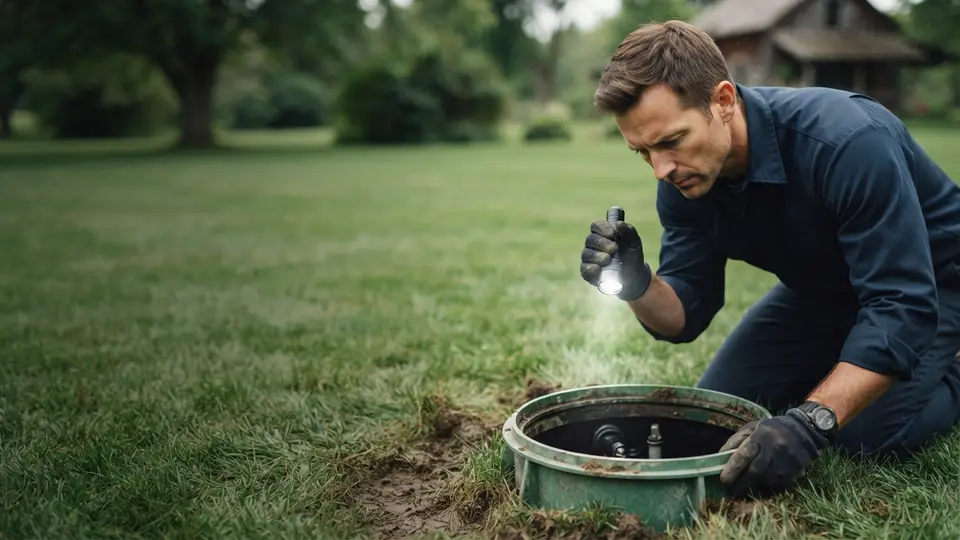
Septic pumping
When it is needed: Every few years, based on use
What we do: Remove sludge and scum, check baffles
Septic alarm going off, or a Title 5 inspection due? We handle septic tank services in Massachusetts. We cover routine pumping, inspections and leaching field repair. Homes on Cape Cod, the islands, the South Shore and in most rural towns rely on septic systems, and state Title 5 rules decide how they are built, inspected and upgraded. Our plumbers keep systems working, find out why one is failing and coordinate with your board of health on repairs.
The service
A septic system holds household waste in a tank, where solids settle, and sends the liquid to a soil absorption system, often called the leaching field. In Massachusetts these systems are governed by Title 5 of the state environmental code, administered by local boards of health. Homes in sewered cities are not affected, but much of the state outside the Boston area and the larger cities relies on septic.
Septic services we provide in Massachusetts
When it is needed: Every few years, based on use
What we do: Remove sludge and scum, check baffles
When it is needed: At sale, refinance or a problem
What we do: Assess tank, distribution and field
When it is needed: Wet spots, backups, odors
What we do: Find the failure and repair or replace
When it is needed: Broken baffles, pumps, alarms
What we do: Replace the part to restore function
Why Massachusetts
Many older homes still have cesspools or small systems that do not meet current Title 5 standards.
Near the coast and in river valleys, water tables rise in spring and saturate leaching fields.
Inland, dense till and shallow ledge limit how fast the soil can take effluent.
Sludge carried into the field clogs it, and a clogged field is the costliest part to fix.
Warning signs
Our process
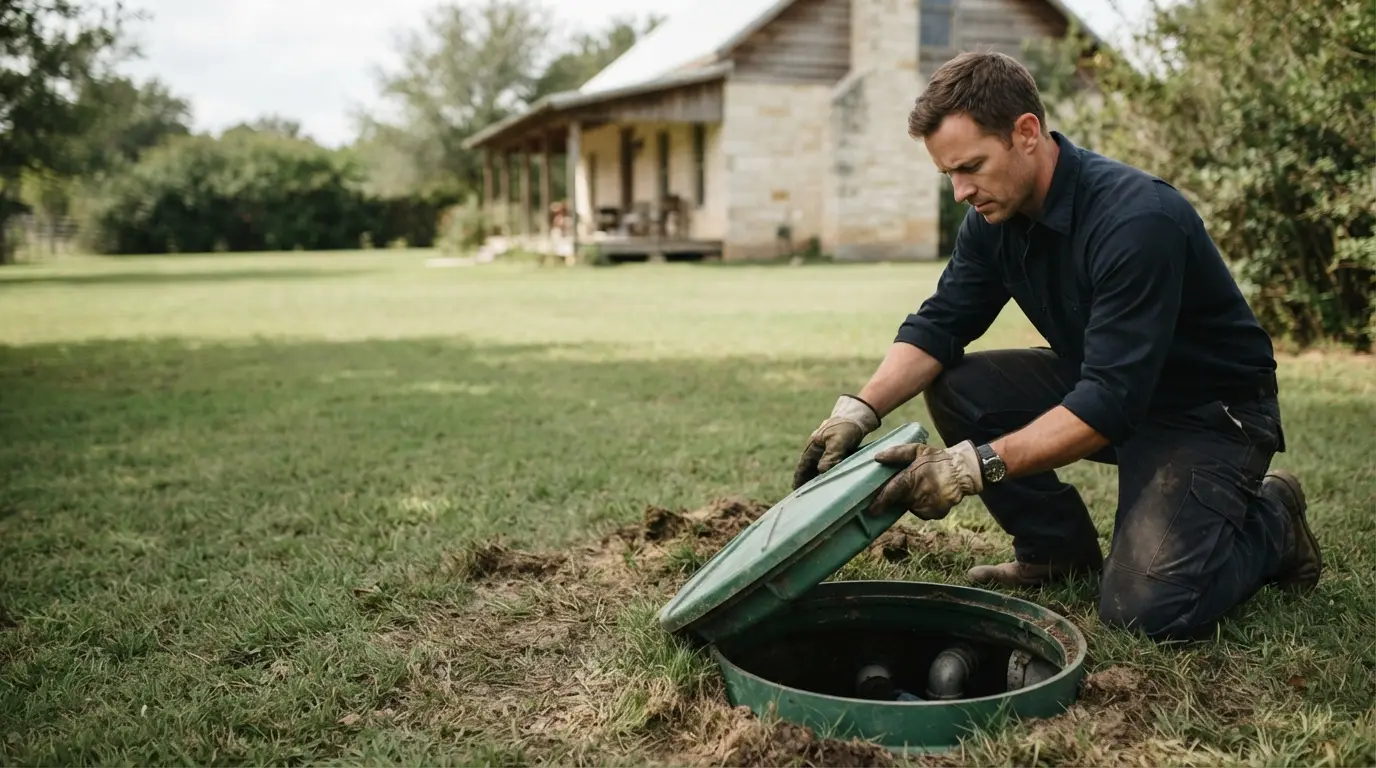
We locate and open the tank, pump the sludge and scum layers and check the inlet and outlet baffles, the effluent filter and the tank walls while it is empty.
We check the tank, distribution box and leaching area, measure sludge, look for signs of hydraulic failure and record what we find. Official Title 5 inspections are performed by state-approved system inspectors, and we coordinate with them and act on their findings.
When the field is failing, we find the cause, such as a crushed pipe, a tipped distribution box or clogged trenches, and repair it. If the field must be replaced, the work follows a design approved by your board of health.
Typical cost
Septic prices here are estimates only until we see the system. These factors set the price:
We explain the work and you approve a written price before we start.
Get a written price: (833) 733-2357Buried lids and large tanks take longer.
Advanced treatment systems have more parts.
Broken baffles, pipes or distribution boxes add work.
Design, permits and excavation.
High water or ledge complicate repairs.
Septage disposal fees vary by area.
Benefits
Pumping keeps sludge out of the leaching area.
Problems are found before a sale.
A working system protects wells, ponds and bays.
Waste keeps moving out of the house.
In most cases, a Title 5 inspection is required when a home on septic is sold, and the system must pass or be upgraded. Sellers often find a failing cesspool or a leaching field near the water table during this step. We help you plan the repair, line up the engineer and permits where a new system is needed, and install the work so the sale can go ahead. Your local board of health can confirm the exact timing and any exemptions for your town.
Barnstable has 27,656 homes in our data, and much of the Cape relies on septic. The Cape's sandy soils drain fast, which helps fields work but lets nitrogen reach groundwater, ponds and bays. Some Cape towns and the islands now require or encourage advanced treatment systems that reduce nitrogen. We pump and service conventional and advanced systems, keep their alarms and pumps working and repair components to the manufacturer's standards.
In our data, 57% of homes in Provincetown and 52% in Dennis are not occupied year-round. A system that sits idle all winter and then takes a full house every summer weekend needs regular attention. Big summer loads can flood a small field. We pump and check systems before the season, look over alarms and pumps and advise on whether the system is sized for how the house is now used.
Belchertown, with a median build year of 1987, and North Lakeville (1992) grew with homes on private septic and wells. Newer systems built under current Title 5 standards are usually larger and better designed, but they still need pumping and their pumps and alarms still wear out. We service these systems and help owners plan for the eventual replacement of components.
Cesspools are pits that take raw sewage straight into the soil without a separate tank. Many older Massachusetts homes still have them. Under Title 5, a cesspool is generally treated as failed when it is found at sale or when it shows signs of failure, and it must be upgraded to a proper septic system. We help you understand the requirement, coordinate with the engineer and board of health and install the new tank and field to the approved design.
West Wareham has 41% of homes in manufactured housing in our data, and other communities across Plymouth and Bristol counties include parks served by septic. Shared or older systems there need regular pumping and careful repairs. We work with park owners and residents to keep systems running and to schedule pumping so it does not disrupt everyone at once.
Cut water use to the minimum: hold off on laundry, dishwashers and long showers. If an alarm is sounding, silence it but do not turn off the system unless the panel tells you to.
Keep people, pets and vehicles off wet areas over the field. Do not open the tank yourself; gases inside can be dangerous. Then call us.
Septic repairs and replacements are permitted through your local board of health under Title 5, and some work requires an engineered design. We coordinate permits, designs and inspections. Our plumbers hold Massachusetts plumbing licenses for the house plumbing connected to the system.
Why choose us
What you can count on every time one of our plumbers comes to your door.
Every job is handled by a plumber who holds the license your state or city requires, backed by liability insurance.
Our plumber explains the problem and the options, and you approve a written price before any work begins.
Burst pipes, sewage backups and failed water heaters get priority scheduling, including nights and weekends.
We pull permits when the job needs one and schedule the inspection, so the work holds up when you sell.
Repairs and installations come with a written warranty on labor, on top of the manufacturer's warranty on parts.
Our pages and plumbers account for your area's water, soil, climate and the age of the homes around you.
Service area
We service septic systems across 248 Massachusetts communities, from Nantucket (6,805 homes) to Amherst and Fiskdale (1,123 homes). Find yours:
It depends on tank size, how easy the lids are to reach and local disposal fees. We give you a written price before we start.
It varies widely, from a single component to a full new system. Once we know the cause, we price the repair or the replacement design and installation.
Usually, because they have pumps, blowers and controls that need regular service. We explain the maintenance your system needs and what it typically involves.
We use records from your board of health where they exist, follow the house sewer out from the foundation and probe to locate the lids.
We open the tank, measure sludge and scum, check baffles and the distribution box and look for signs that the field is failing.
A state-approved system inspector. We work alongside them, help prepare the system and handle any repairs their report calls for.
No. Tanks hold harmful gases, and a person can fall in or be overcome. Leave the lids closed and let us open them.
Yes. It carries bacteria and can reach wells and water. Keep people and pets away and limit water use until we fix the cause.
The installation itself often takes a few days, but design, board of health approval and inspections usually add weeks.
Right away. The tank starts refilling as soon as we close it, and normal use is fine.
Many households need it every two to three years, but it depends on tank size and use. We recommend a schedule after the first visit.
Grass is fine. Keep trees and shrubs away, since their roots can clog pipes and trenches.
Stop using water, keep away from the sewage and call us. A backup takes priority, and we find whether the tank, pipe or field is the cause.
Some do, especially around nitrogen. Certain towns require or encourage advanced treatment. Your board of health can confirm the rules for your property.
Yes. When the water table rises in spring, a field set too low can flood. Repairs must keep the required separation above groundwater.