Tank
Fuel: Gas, propane, oil or electric
Notes: Most common; simple to replace
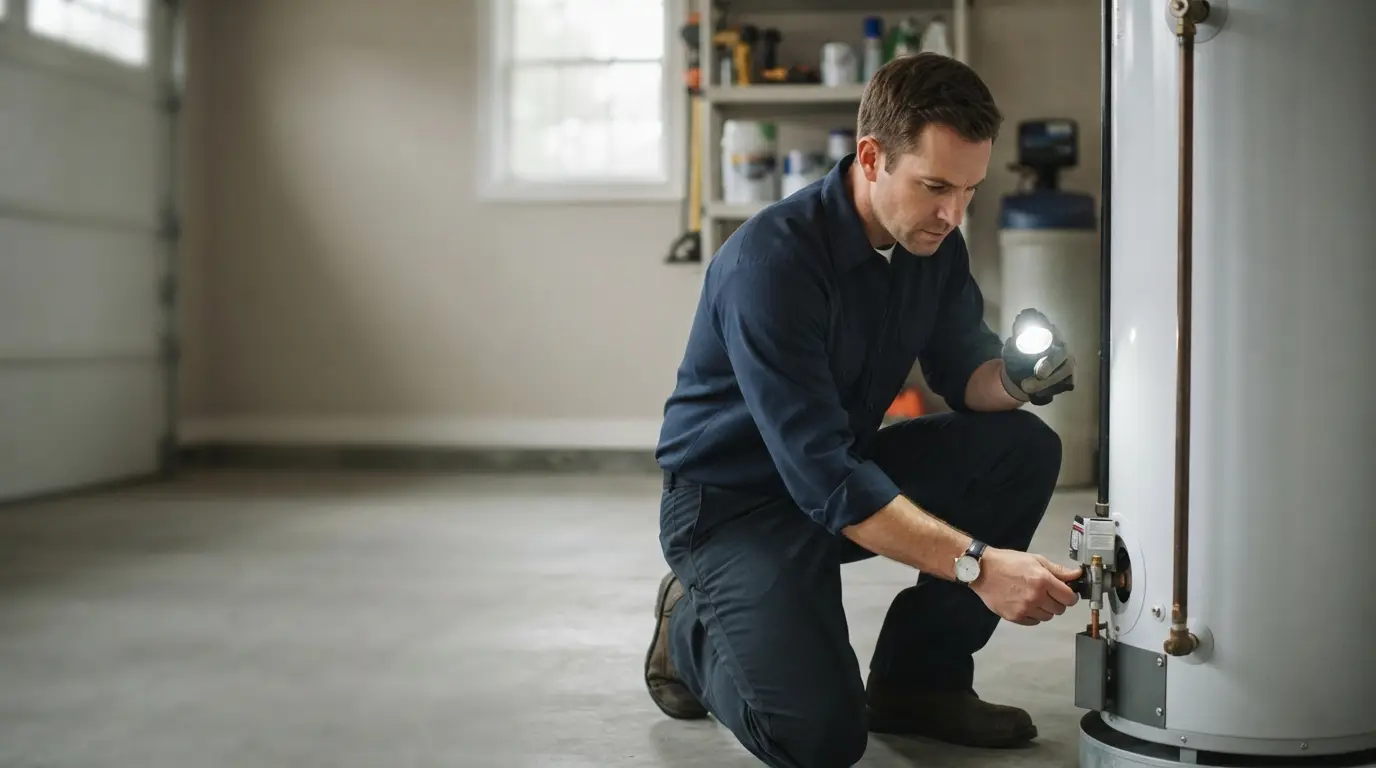
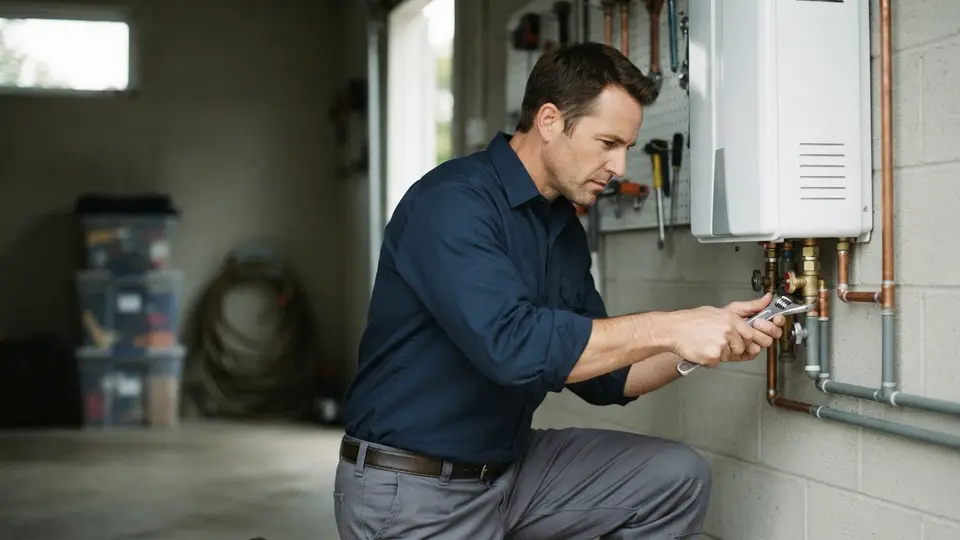
No hot water on a cold morning, or a tank leaking in the basement? We handle water heater repair and replacement in Massachusetts. Our plumbers service gas, oil, electric and propane tank heaters, indirect tanks run from a boiler, tankless units and heat pump water heaters. Cold incoming water here makes heaters work hard all winter, and many homes still rely on aging basement equipment. We find what failed, repair it when that makes sense and install a properly sized replacement when it does not.
The service
Utility gas heats 56% of Massachusetts homes and electricity 21%, and many homes outside the gas mains use oil or propane. Propane heats 31% of homes on Nantucket, and oil heats 24% of homes in Pittsfield. Water heaters follow the same fuels, and in many older homes hot water comes from a coil in the oil or gas boiler or from an indirect tank fed by it.
Water heater types we service in Massachusetts
Fuel: Gas, propane, oil or electric
Notes: Most common; simple to replace
Fuel: Heated by the boiler
Notes: Efficient with a modern boiler
Fuel: Gas or propane
Notes: Saves space; needs venting and gas sizing
Fuel: Electric
Notes: Efficient; needs room and a condensate drain
Fuel: Inside the boiler
Notes: Older setup; boiler runs all year
Why Massachusetts
Winter water arrives very cold, so heaters run longer and harder from November to April.
Hard or iron-rich well water leaves sediment that insulates the burner and corrodes the tank.
Soft reservoir water and softeners use up the anode rod faster.
Tankless coils in aging boilers scale up and lose hot water output.
Warning signs
Our process
We test thermocouples, gas valves, elements, thermostats and relief valves, flush sediment and replace the part that failed when the tank itself is sound.
We size the heater for your household, install it with proper venting, gas or electric connections, an expansion tank where required and a code-compliant relief line, then test it.
We check gas line size, venting and water quality before installing, mount the unit, set it up and explain the descaling it needs to keep working.
Typical cost
Prices are estimates only until we see your setup. These factors matter:
We explain the choices and you approve a written price before we start.
Get a written price: (833) 733-2357A part costs much less than a new heater.
Gas, oil, electric, heat pump or tankless.
Larger households need more capacity.
Upgrades for new equipment.
Narrow basements and upper floors.
Local plumbing and gas inspections.
Benefits
Sized to your household.
Efficient models use less energy.
Proper exhaust for fuel-burning units.
A new tank ends the drip worries.
Many older Massachusetts homes heat water with a coil inside the oil or gas boiler. These setups keep the boiler hot all summer and lose output as the coil scales. Adding an indirect tank, or switching to a separate gas, electric or heat pump heater, can cut fuel use and give steadier hot water. We look at the boiler, the house and your fuel and explain which option makes sense.
Heat pump water heaters pull heat from the surrounding air and use much less electricity than standard electric tanks. In a Massachusetts basement they also dehumidify the space. They need enough room, a condensate drain and a space that does not get too cold. Utility efficiency programs in the state have offered rebates on them; check current offers with your utility. We size and install them and tell you honestly if your basement is not a good fit.
In Boston (310,625 homes) and Cambridge (54,840 homes), water heaters sit in tight basements, closets and condo utility rooms. Getting a tank out of a narrow stair or replacing a heater in a top-floor unit takes planning. Multifamily houses often have one heater per unit lined up in the basement. We replace them one at a time, coordinate with condo associations and choose sizes that fit the space.
Renters occupy 72% of homes in Lawrence, 65% in Fall River and 56% in Amherst. Tenants in Massachusetts expect hot water, and owners need repairs done quickly when it stops. We work with landlords and property managers to diagnose, repair or replace heaters, and we can replace aging units on a planned schedule before they fail.
In Pittsfield, Westfield (16,834 homes) and the hill towns, oil and propane are common and wells supply water. Hard or iron-rich well water fills tanks with sediment and scales tankless units. We flush tanks, install sediment filters and softeners where needed and service propane and oil-fired heaters. Switching from an oil-fired heater to a heat pump or propane unit is something we can price for you.
If the tank is leaking, close the cold water valve above it and turn off the gas or the breaker. Catch water with a bucket or towels.
If the pilot is out, follow the lighting instructions on the label only if you smell no gas. Do not adjust the relief valve. Then call us.
Water heater replacement in Massachusetts requires a permit from your local plumbing inspector, and a gas permit for gas or propane units. We pull them and schedule the inspections. Our plumbers and gas fitters hold Massachusetts licenses.
Why choose us
What you can count on every time one of our plumbers comes to your door.
Every job is handled by a plumber who holds the license your state or city requires, backed by liability insurance.
Our plumber explains the problem and the options, and you approve a written price before any work begins.
Burst pipes, sewage backups and failed water heaters get priority scheduling, including nights and weekends.
We pull permits when the job needs one and schedule the inspection, so the work holds up when you sell.
Repairs and installations come with a written warranty on labor, on top of the manufacturer's warranty on parts.
Our pages and plumbers account for your area's water, soil, climate and the age of the homes around you.
Service area
We repair and replace water heaters in 248 Massachusetts communities, from Lowell (44,850 homes) and Worcester (85,876 homes) to Newton and Lexington. Find yours:
It depends on the type, fuel, size and any venting or gas line changes. We give you a written price that includes the permit before we start.
For many homes with a roomy basement, yes. It uses much less electricity than a standard electric tank. Check with your utility for current rebates.
If the tank is sound and under about ten years old, a repair often makes sense. A leaking tank needs replacement.
We look at the number of people, bathrooms and appliances and your peak hot water use, then match a tank or tankless unit to it.
Yes. We can add an indirect tank or a standalone heater so the boiler does not run all summer for hot water.
We drain and remove the old unit, set the new one, connect water, fuel and venting, add required safety parts, test it and schedule the inspection.
A leak can damage floors and wiring. A faulty relief valve can be a serious risk. Shut off water and power or gas and call us.
Leave the house, avoid switches and call your gas company or 911 from outside. We repair the piping once it is safe.
A like-for-like swap usually takes a few hours. Tankless and heat pump conversions take longer.
Tanks often last about eight to twelve years. Well water sediment and heavy use can shorten that.
Once a year for most homes, and more often if you have hard well water.
Yes. It needs periodic descaling, especially with hard water, and a check of the burner and venting.
Call us. No hot water in the cold months is a priority, and we keep you updated on timing.
Yes. A plumbing permit is required, plus a gas permit for fuel-burning units. We handle both.
Many older Massachusetts homes use a tankless coil in the boiler. It works but keeps the boiler running year-round.