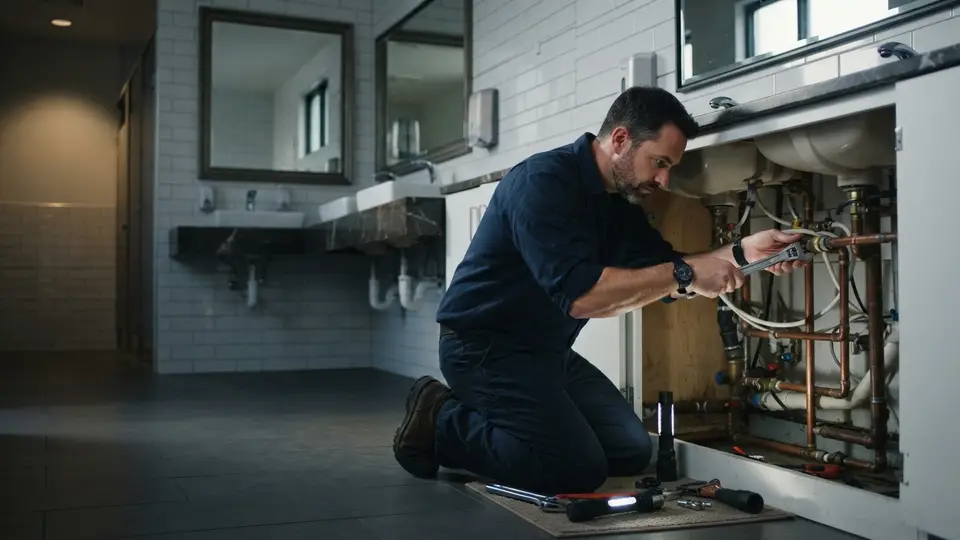
Restaurants
Common work: Grease interceptors, kitchen lines, gas
What matters most: Health inspections, downtime
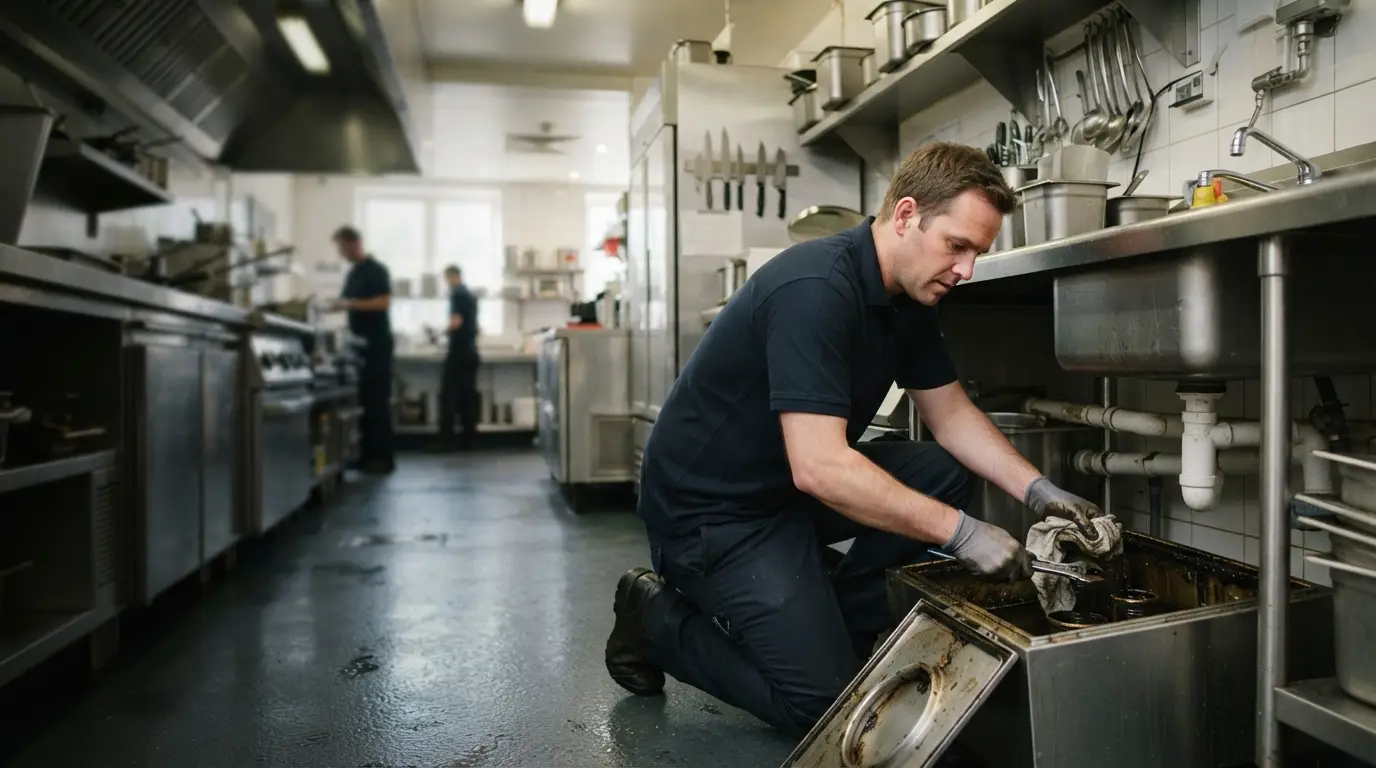
Restaurant grease line backing up, or a riser leaking between floors? We handle commercial plumbing in New York. Our plumbers serve restaurants and food service, offices and retail, and multi-unit residential buildings, from bodegas and walk-ups in the city to office parks in Westchester, college towns upstate and resort businesses in Saratoga and the Hamptons. We schedule work around your hours, coordinate with supers and managing agents, file permits and city paperwork and give you a written price before we start. Our goal is to keep your doors open and your tenants served.
The service
New York has more apartment buildings, restaurants and storefronts than any other state. 41% of homes statewide are in buildings with five or more units, rising to 62% in New York City and 61% in White Plains. Commercial systems run larger pipe, central water heaters and boilers, fire lines and grease interceptors, and they face stricter inspections and filings. We work with owners, managers and operators to keep them running.
Commercial work we handle
Common work: Grease interceptors, kitchen lines, gas
What matters most: Health inspections, downtime
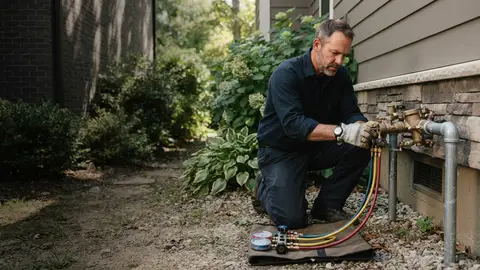
Common work: Restrooms, water heaters, backflow
What matters most: Working after hours
Common work: Risers, stacks, boilers, gas inspections
What matters most: Tenant notice, city filings
Common work: Storefronts below apartments
What matters most: Coordinating both
Why New York
Busy kitchens fill lines and interceptors faster than many schedules allow.
Prewar buildings still run galvanized risers and cast iron stacks.
Frozen lines and failing boilers threaten whole buildings.
Small leaks and slow drains wait until they become shutdowns.
Warning signs
Our process
We jet kitchen lines, service and replace grease traps and interceptors, connect gas cooking equipment and install sinks and backflow devices to code.
We repair restrooms, replace water heaters, fix leaks and test backflow devices before opening or after closing.
We replace risers and stacks in phases, service central water heaters, perform gas piping inspections and respond to tenant leaks and clogs.
Typical cost
Any figure before we see the building is an estimate only. The main factors:
You receive a written price before work begins.
Get a written price: (833) 733-2357Larger pipe and equipment.
Night and weekend work to avoid closures.
Risers and stacks replaced in stages.
City and local requirements.
Regular service lowers emergency costs.
Benefits
Work planned around your hours.
Permits, inspections and filings.
Notice and short shutoffs.
Written prices and maintenance plans.
New York City has 3,678,486 homes, most in multi-family buildings, plus tens of thousands of restaurants and storefronts. City work brings Department of Buildings permits, periodic gas piping inspections, annual backflow filings and grease rules for food establishments. We handle the work and the paperwork, coordinate with supers and managing agents and schedule shutoffs so tenants and customers are disrupted as little as possible.
Yonkers (85,006 homes), White Plains, Hempstead and Spring Valley have dense downtowns, garden apartment complexes, shopping centers and office parks. Renters occupy 75% of homes in Spring Valley. We maintain shared water heaters and risers, service restaurant lines and plan bigger projects in phases that keep buildings occupied.
Renters occupy 70% of homes in Ithaca and 62% in Albany, and Syracuse, Buffalo and Troy have large student populations. Student apartment buildings and dorm-style housing see heavy use. We schedule big jobs between semesters, keep spare parts on hand for common failures and give managers clear reports.
65% of Montauk homes, 31% of Lake Placid homes and 11% of Saratoga Springs homes are vacant on a typical day, and many hotels, restaurants and shops there run seasonally. We winterize buildings that close, restart and test systems before opening and handle repairs in the off-season.
Across New York, a restaurant or shop on the ground floor often shares a building with apartments upstairs. The kitchen drains, the tenants' stacks and the water service all meet in the same cellar. A grease backup can flood the commercial space and stop the apartments from draining at the same time. We trace which lines serve which tenant, separate them where we can, keep the interceptor in good order and plan work so neither the business nor the residents lose service longer than necessary.
Many New York apartment buildings make hot water for every unit from a central boiler coil, an indirect tank or a bank of commercial heaters, with a mixing valve that sets the temperature for tenants. When that valve fails or the coil scales up, the building gets scalding or lukewarm water. We service mixing valves and recirculation pumps, replace failed tanks and heaters and recommend setups that keep hot water steady at every tap.
Make sure staff and the super know where the water and gas shutoffs are. For a leak, close the nearest valve and protect equipment and stock.
For a kitchen backup, stop water to that line and keep food away. Notify tenants of any shutoff. Then call us.
Commercial plumbing needs permits from the local building department or the New York City Department of Buildings, and food service and fire systems involve other agencies. We file permits, coordinate inspections and handle required filings. Our plumbers hold the local licenses each job requires.
We serve businesses and buildings in 1293 New York communities, including Syracuse (67,601 homes) and Hempstead (18,747 homes). Find yours:
Why choose us
What you can count on every time one of our plumbers comes to your door.
Every job is handled by a plumber who holds the license your state or city requires, backed by liability insurance.
Our plumber explains the problem and the options, and you approve a written price before any work begins.
Burst pipes, sewage backups and failed water heaters get priority scheduling, including nights and weekends.
We pull permits when the job needs one and schedule the inspection, so the work holds up when you sell.
Repairs and installations come with a written warranty on labor, on top of the manufacturer's warranty on parts.
Our pages and plumbers account for your area's water, soil, climate and the age of the homes around you.
Service area
Upstate downtowns are full of older commercial buildings converted to apartments, offices and restaurants. 90% of Buffalo homes and 87% of Rochester homes were built before 1980. Conversions often need new risers, larger water services and grease interceptors. We review the building early, tell the owner and architect what must change and complete the work with permits and inspections.
We look at the system, the scope and when the work can happen, then give you a written price. After-hours work, phasing and filings affect the total.
Yes. We schedule interceptor service, line jetting, backflow tests and inspections, which lowers the chance of costly emergencies.
Yes, but it often costs less than closing your business. We price both options so you can decide what works best.
We replace one riser at a time, give tenants notice, open walls only where needed and restore water to each unit before we leave.
Yes. We coordinate access with the super, report to the agent or owner and provide clear write-ups for boards and tenants.
Yes. We clean and maintain interceptors, jet kitchen lines and keep records you can show health and sewer inspectors.
Turn off cooking equipment if safe, evacuate and call the utility or 911 from outside. We repair the piping once it is safe.
Yes. Stop food service in the affected area and keep food away. We clear the line and help you document the cleanup.
Often a few days per line, depending on the building. We plan the work so each apartment loses water for as short a time as possible.
Quiet work, yes. Shutoffs and noisy work we schedule before opening or after closing.
It depends on volume and size. Busy kitchens often need monthly service or more. We set a schedule that fits your kitchen.
Yes. A qualified licensed plumber inspects the exposed piping, reports conditions, repairs problems and helps the owner file.
Yes. We file with the local building department or the New York City Department of Buildings and coordinate other required reviews.
Yes. We restart and test systems, check backflow devices and fix freeze damage before you open for the season.
We put gas, sewage and major leaks ahead of routine work and keep you updated on timing. Close the nearest shutoff and call us.