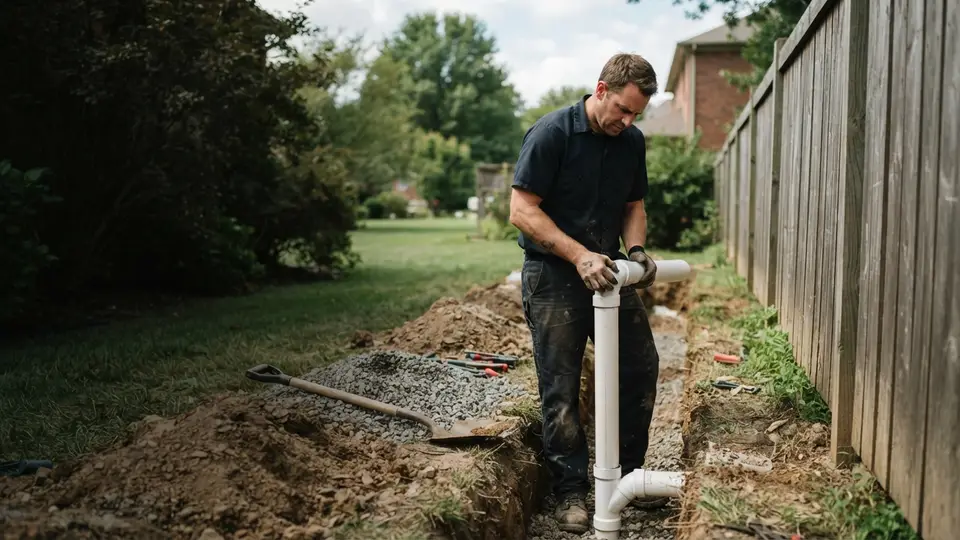
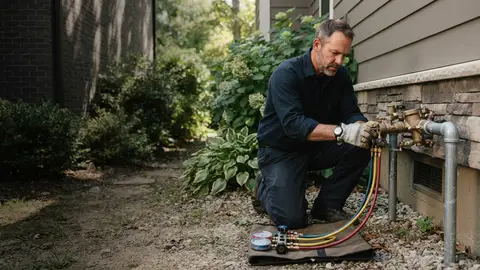
Roots
What the camera shows: Root masses at clay joints
Typical fix: Clean, then liner or section repair
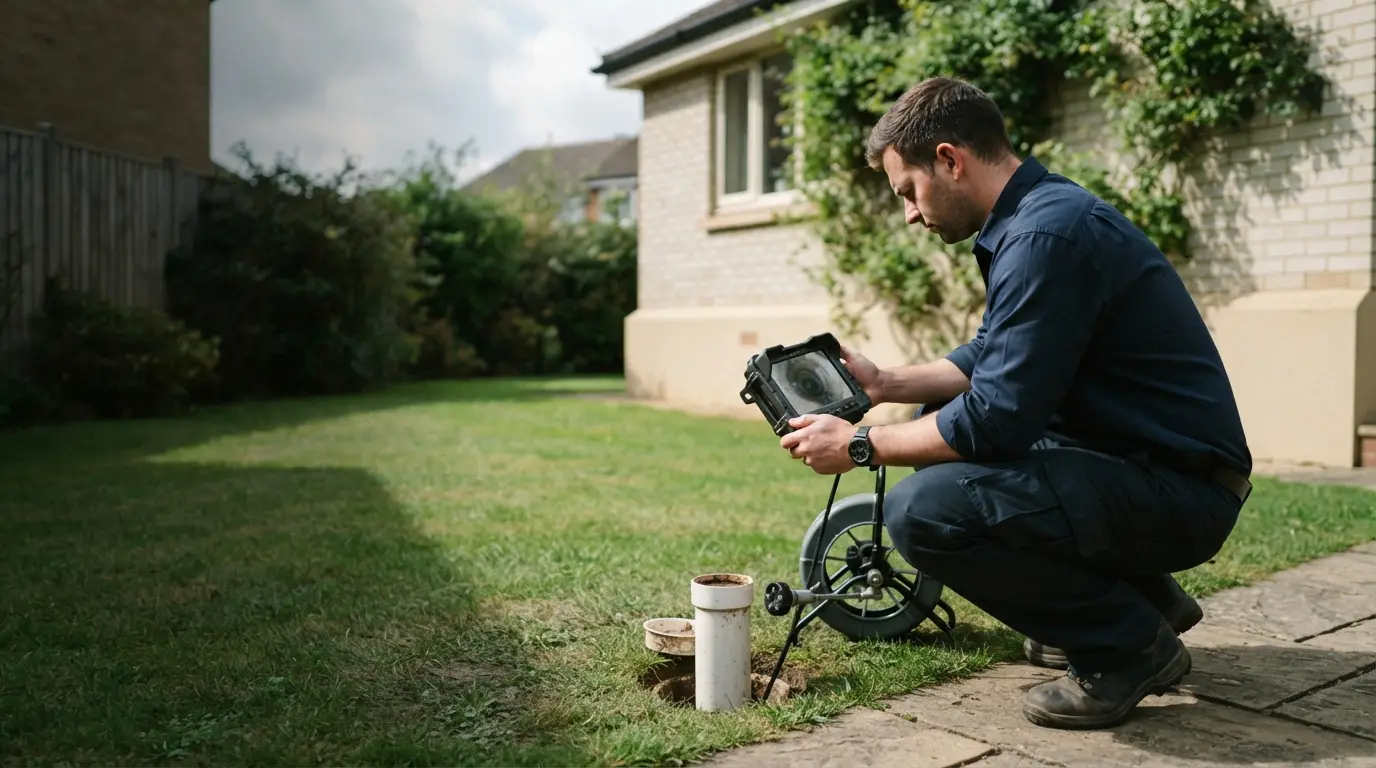
Sewer backing up into the cellar again, or roots in the house sewer? We handle sewer line repair and replacement in New York. Our plumbers inspect, repair and replace the house sewer that runs from your building to the public main, including house traps, cleanouts and the street connection. Many New York sewers are clay or cast iron laid before the Second World War, under sidewalks, stoops and tree lawns, and many owners are responsible for the line all the way to the main. We camera the line first and recommend the smallest repair that will last.
The service
In New York City and many other New York municipalities, the property owner is responsible for the house sewer from the building to the public sewer, including the part under the sidewalk and street. 57% of the state's 6,953,234 homes were built before 1960. In Utica the median home dates from 1940, in Schenectady from 1941 and in Elmira from 1938. Their sewers are usually vitrified clay or cast iron, and both fail with age.
Common sewer problems and fixes
What the camera shows: Root masses at clay joints
Typical fix: Clean, then liner or section repair
What the camera shows: Water standing in the pipe
Typical fix: Excavate and relay
What the camera shows: Missing pipe or soil inside
Typical fix: Section or full replacement
What the camera shows: Cracked trap, debris buildup
Typical fix: Replace or remove with cleanout
Why New York
Clay and cast iron laid a century ago is reaching the end of its life.
Upstate frost heaves the ground and shifts shallow joints.
Maples and street trees find every leaking joint.
Heavy loads and nearby digging crack pipes under streets and sidewalks.
Warning signs
Our process
We run a camera from the house trap or cleanout to the main, record the line, measure to each defect and locate it from above.
For a single bad section, we dig at that point, replace the broken pipe with new pipe and shielded couplings and bed it properly. Lining is an option where digging is difficult.
For a failed line, we replace it by trench or by bursting, reconnect to the main and handle the street and sidewalk restoration the permit requires.
Typical cost
Any figure before a camera inspection is an estimate only. The main factors:
We give you a written price after the inspection and before any digging.
Get a written price: (833) 733-2357Long, deep sewers take more digging.
Sidewalks, stoops, driveways and streets.
Spot repair, lining, bursting or trench.
Street and sidewalk permits and restoration.
Frozen ground slows winter excavation.
Benefits
The cycle of cleanings ends.
Sewage stays in the pipe.
Buyers ask for camera reports.
We open only where the defect is.
New York City has 3,678,486 homes, and buildings with five or more units hold 62% of them. A failed sewer under a brownstone stoop or an apartment building sidewalk affects many households. Repairs in the street need city permits and traffic plans. We file the paperwork, coordinate with the city and the building and keep the work as short as we can so the building is back in service quickly.
90% of Buffalo homes, 92% of Niagara Falls homes and 92% of homes in the Town of Tonawanda were built before 1980. Many have clay sewers under tree lawns lined with old maples, plus a house trap in the cellar. Freeze-thaw cycles move shallow joints. We camera to the main, replace failed sections and often remove the old trap in favor of a modern cleanout where local rules allow.
In Syracuse (67,601 homes), Jamestown, Watertown and much of upstate New York, frost reaches deep into the ground in winter. Emergency sewer repairs in January mean breaking through frozen soil. When a line can wait, we may clear it and schedule the excavation for warmer weather. When it cannot, we bring the equipment to dig safely and protect the new pipe from frost.
Long Beach (16,630 homes), Freeport and other South Shore communities sit on sandy ground with a high water table, and Sandy pushed seawater into many sewers in 2012. Sand washes into cracked pipe and lines settle. We dewater trenches when we dig, bed the new pipe to resist settling and camera the finished line before backfilling.
A cured-in-place liner builds a new pipe inside the old one, installed from the cleanout without digging up sidewalks, stoops or tree roots. It works when the old pipe still holds its shape. It is not a fix for collapsed sections or deep sags. We show you the camera video and tell you which approach suits your sewer.
Use as little water as you can. In a building, ask the super to tell tenants to hold off on laundry and showers.
Clear storage away from the house trap or cleanout, but do not open the plugs while the line is full. Then call us.
Sewer repairs and replacements need permits from the local building or sewer department, or the New York City Department of Buildings and other city agencies for street work. We file them and schedule inspections. Our plumbers hold the local licenses each job requires.
Why choose us
What you can count on every time one of our plumbers comes to your door.
Every job is handled by a plumber who holds the license your state or city requires, backed by liability insurance.
Our plumber explains the problem and the options, and you approve a written price before any work begins.
Burst pipes, sewage backups and failed water heaters get priority scheduling, including nights and weekends.
We pull permits when the job needs one and schedule the inspection, so the work holds up when you sell.
Repairs and installations come with a written warranty on labor, on top of the manufacturer's warranty on parts.
Our pages and plumbers account for your area's water, soil, climate and the age of the homes around you.
Service area
We repair sewers in 1293 New York communities, including Rochester (104,479 homes) and Yonkers (85,006 homes). Find yours:
It depends on length, depth, method, what sits above the line and permits. After a camera inspection, we give you a written price before any digging.
Often, when the pipe holds its shape and a sidewalk, stoop or driveway sits above it. A liner cannot fix a collapsed pipe or a deep sag.
In New York City and many other places, the owner is responsible for the house sewer to the main. Rules vary, so we confirm them before quoting.
We feed a camera from the house trap or cleanout to the main, record the line, measure to each defect and locate it from the surface.
We mark utilities, set up any street or sidewalk protection, dig or burst the line, install and test new pipe, then backfill and restore the surface.
Often, where local rules allow. We replace it with a modern cleanout, which removes a frequent clog point and makes future cleaning easier.
Yes. Leaking sewage attracts rodents, soaks soil near the foundation and can back up into the building. Keep people away from any spill.
Yes. We call 811 for a utility markout before we dig, as the law requires, so gas, water and electric lines are marked.
Most residential replacements take one to two days, plus time for permits and markouts. Street work in the city can take longer.
A properly bedded PVC or cast iron sewer should last many decades. Liners installed in sound pipe also have long expected lives.
Modern joints resist roots well. Keep new trees away from the line and have it checked if drains ever start to slow.
Yes, for any older New York home or building. An inspection costs little compared with replacing a failed line after closing.
Yes. Frozen ground makes digging slower, so when it is safe we clear the line and schedule excavation for milder weather.
It can. Storm surge and high groundwater wash sand into cracked pipe and soften bedding. We camera lines after major floods.
Yes. We clear the line first to stop the backup, then camera it to plan the repair. We keep you updated on timing.