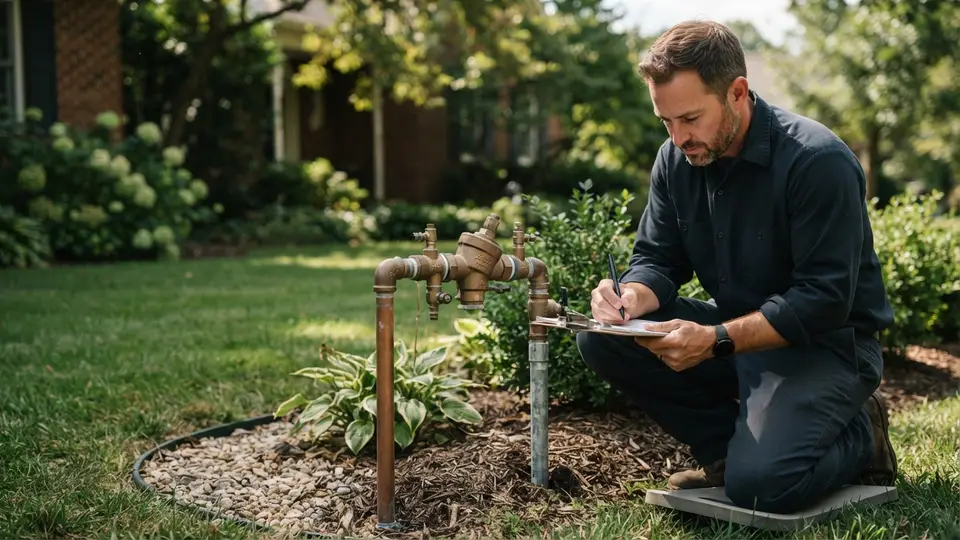
Reduced pressure zone (RPZ)
Typical use: Boilers, medical, commercial kitchens
Hazard level: High hazard
An annual test notice for your building, sprinkler or restaurant? We handle backflow testing and prevention in New York. Our plumbers test backflow preventers, install new assemblies and repair or rebuild devices that fail, for apartment buildings, restaurants, offices, medical sites, lawn irrigation systems and farms. Backflow devices stop dirty or treated water from flowing back into the public supply. In New York, testable devices are checked every year by a certified tester, and the results go to the water supplier. We schedule the test, file the paperwork and fix whatever does not pass.
The service
Backflow happens when water flows backward through a pipe, pulled by a drop in street pressure or pushed by a pump or boiler inside a building. Without a device to stop it, boiler chemicals, sprinkler water or kitchen waste can enter drinking water. New York State requires backflow protection on connections that present a hazard, and with 6,953,234 homes in our data and 41% of them in larger buildings, there are many devices to keep current.
Devices we test and install
Typical use: Boilers, medical, commercial kitchens
Hazard level: High hazard
Typical use: Fire sprinkler lines
Hazard level: Lower hazard
Typical use: Lawn irrigation
Hazard level: Back-siphonage
Typical use: Outdoor faucets
Hazard level: Small residential risk
Why New York
Outdoor and unheated devices crack in long winters.
Rust and scale from aging street mains keep check valves from seating.
Seals and diaphragms harden with age and heat.
Booster pumps and main breaks stress springs and valves.
Warning signs
Our process
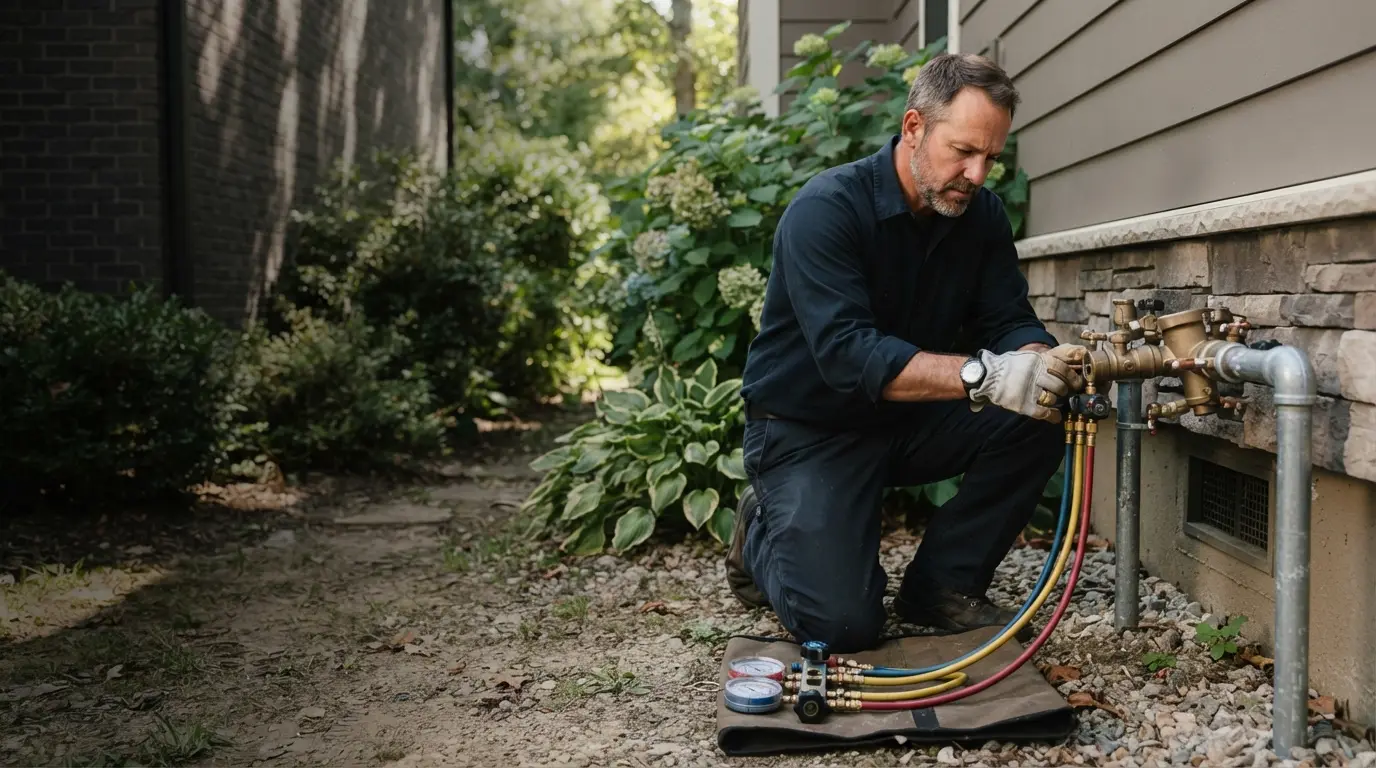
Our certified tester connects a calibrated kit, checks each valve against required values, records the readings and submits the report to your water supplier.
We select the device for the hazard, have the plans approved where required, install it where it can be tested and protected from freezing and test it before service.
We rebuild failed devices with new seals, springs and checks, retest them and file the passing result, or replace devices that cannot be rebuilt.
Typical cost
Any figure before we see the device is an estimate only. The main factors:
We give you a written price before we start.
Get a written price: (833) 733-2357Large RPZs take longer.
Several on one visit save time.
Parts and retesting after a failure.
Mechanical rooms, pits and roofs.
Plans, piping and permits.
Benefits
Your building and neighbors stay protected.
Reports filed on time.
Worn parts replaced early.
Current records on hand.
Buildings with five or more units hold 62% of New York City homes, and many have boilers, sprinkler and standpipe systems, roof tanks and booster pumps, each needing protection. The city requires annual testing and filing of the results. We test every device in the building in one visit where possible and coordinate with the super and the fire alarm company when fire lines are involved.
White Plains (27,561 homes), Yonkers and other Westchester cities have office towers, apartment complexes and commercial strips with many testable devices. Buildings with five or more units hold 61% of White Plains homes. We keep a calendar of your test dates, book visits before deadlines and send the reports directly to the water supplier.
In Commack, East Meadow and suburbs across the state, many homes have in-ground sprinklers. Irrigation lines carry fertilizer and standing water, so each system needs a device. They must be drained in the fall and opened and tested in spring. We test, winterize and repair them and replace devices cracked by frost.
Rochester, Buffalo, Albany, Syracuse and Ithaca have restaurants, hospitals, clinics and college campuses with soda systems, lab equipment, dishwashers and boilers connected to water. We install and test devices for each connection, rebuild those that fail and keep records ready for health department and fire inspections.
65% of Montauk homes, 31% of Lake Placid homes and 11% of Saratoga Springs homes are vacant on a typical day, and many businesses in these towns are seasonal too. Devices sitting through a cold winter can freeze or stick. We test before reopening, replace damaged devices and help hotels and restaurants open on time.
Most homes do not need a testable device, but several common setups do need protection. A boiler fill line, a lawn sprinkler system, a fire sprinkler in a newer house or a well system tied to public water each create a path for water to flow backward. Hose bibbs should have vacuum breakers so a garden hose left in a bucket of fertilizer cannot siphon back. We look for these connections during any visit and add the right protection where it is missing.
Dental chairs, dialysis units, lab sinks and sterilizers are high-hazard connections that need reduced pressure devices. Offices often add equipment over the years without updating their backflow protection. We survey the office, recommend the right devices, install them where they can be tested easily and keep annual testing on schedule so the practice stays in good standing with the water supplier and health department.
Keep your test notice and make sure we can reach the device. Unlock mechanical rooms, pits or enclosures.
Do not adjust or take apart the device. If it is pouring water, close the valves on each side if you safely can, then call us.
New backflow installations usually need plan approval from the water supplier or health department and a plumbing permit. Annual tests are performed by a state-certified tester. We file plans, permits and test reports. Our plumbers hold the local licenses each job requires.
Why choose us
What you can count on every time one of our plumbers comes to your door.
Every job is handled by a plumber who holds the license your state or city requires, backed by liability insurance.
Our plumber explains the problem and the options, and you approve a written price before any work begins.
Burst pipes, sewage backups and failed water heaters get priority scheduling, including nights and weekends.
We pull permits when the job needs one and schedule the inspection, so the work holds up when you sell.
Repairs and installations come with a written warranty on labor, on top of the manufacturer's warranty on parts.
Our pages and plumbers account for your area's water, soil, climate and the age of the homes around you.
Service area
We test and install backflow devices in 1293 New York communities, including Rochester (104,479 homes) and Albany (50,408 homes). Find yours:
It depends on the device type, size and how many devices we test on one visit. You get a written price before we start.
It depends on the parts needed. If a rebuild costs close to a new device, we show you both prices so you can choose.
Yes. Filing the report with your water supplier or the city is part of our testing service, and you get a copy for your records.
A certified tester connects a test kit, opens and closes valves in a set order and records pressure readings for each check and relief valve.
We explain what failed, repair or replace it, retest it and file the passing report before your deadline.
Often, yes. Many New York water suppliers and the health department review plans for new devices. We prepare and submit them.
Yes. Boiler chemicals, sprinkler water or kitchen waste can flow back into the supply. Working devices prevent that.
Stop drinking it, use bottled water and call your supplier. We can test your devices to rule out a failure on your property.
Usually under an hour per device. Buildings with several devices or hard-to-reach locations take longer.
Testable devices are generally tested every year. Your water supplier sends notices and sets the exact schedule.
Drain and winterize them in fall and keep indoor devices in heated rooms. Frozen devices often crack and need replacement.
Yes. Inspectors, insurers and buyers may ask for them, and we keep a record of your test dates as well.
Usually. Boilers, fire lines, booster pumps and some equipment each need protection, and each testable device is tested yearly.
It is wise. Devices left through a winter can freeze or stick. We test before you open so inspections go smoothly.
Close the valves on each side if it is safe. We put active leaks ahead of routine tests and keep you updated on timing.