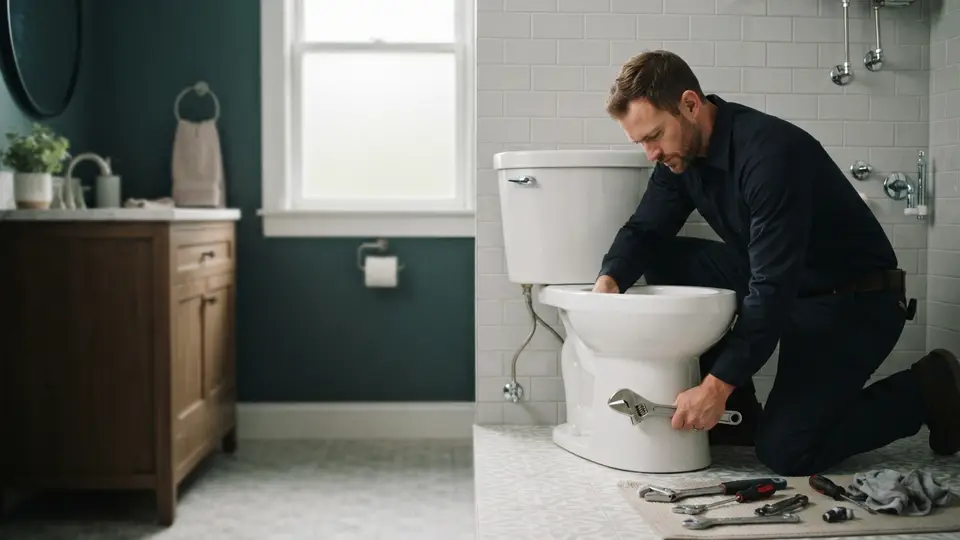
Toilet
Typical problem: Running, rocking, leaking at the floor
Our fix: Fill valve, flapper, wax ring or new toilet
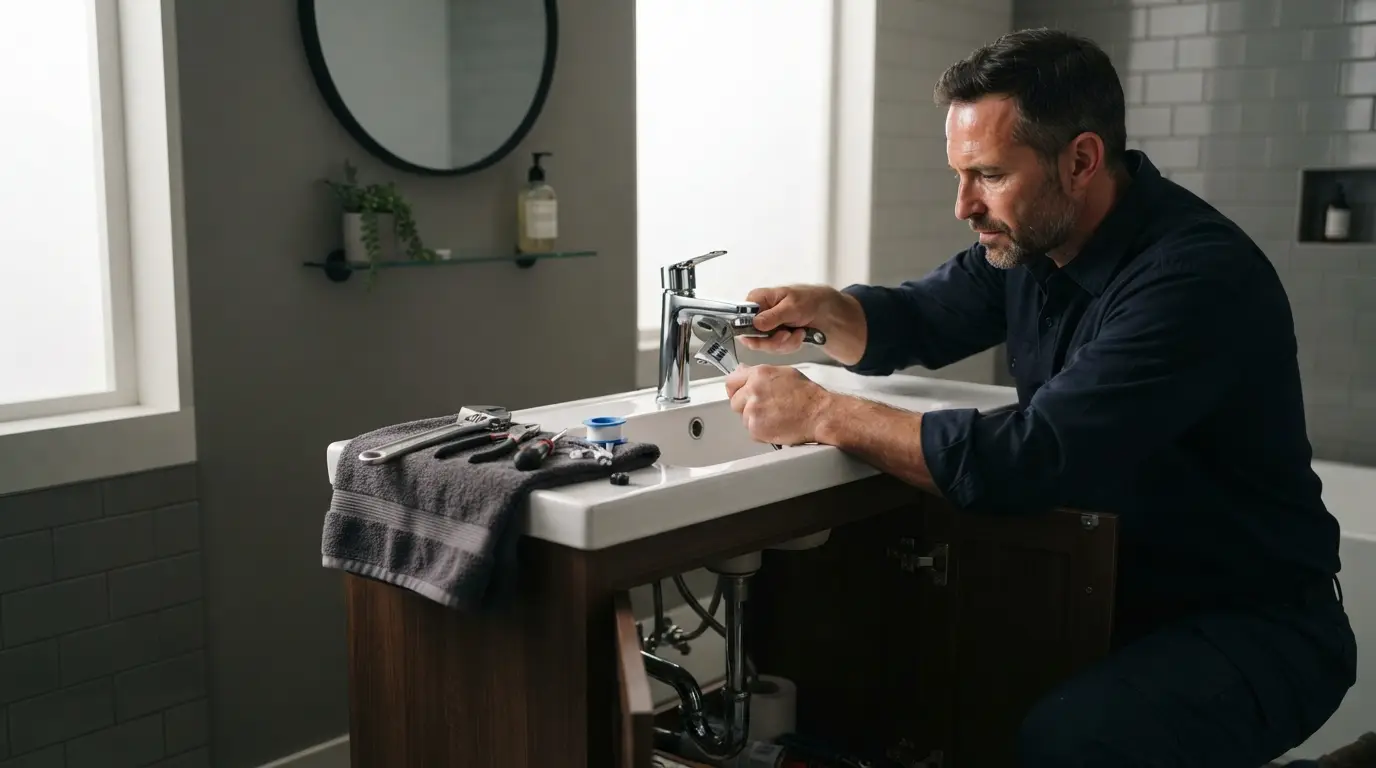
Toilet running all night, or a shower valve stuck behind old tile? We handle toilet, faucet and fixture repair in New York. Our plumbers repair and install toilets, faucets, sinks, showers, tubs and garbage disposals, and we do the plumbing for kitchen and bathroom remodels. New York bathrooms range from tiny prewar apartment baths with original tile to Long Island ranches and upstate Victorians with clawfoot tubs. Many still have seized shutoffs and valves from decades ago. We bring common parts, protect old tile and test every fixture before we leave.
The service
With 57% of New York's 6,953,234 homes built before 1960, many bathrooms and kitchens still have original valves, supply lines and drain fittings behind newer fixtures. Replacing a faucet often means replacing a stuck shutoff too, and a shower valve may be set in a mortar bed behind tile. We look at the whole connection and fix what will fail next, not only the part that failed today.
Common fixture jobs in New York
Typical problem: Running, rocking, leaking at the floor
Our fix: Fill valve, flapper, wax ring or new toilet
Typical problem: Dripping, low flow, stiff handle
Our fix: Cartridge, stem or new faucet
Typical problem: Leaking valve, temperature swings
Our fix: Cartridge or new pressure-balance valve
Typical problem: Jammed or leaking
Our fix: Clear, reset or replace
Why New York
Multi-turn stops and wall valves seize after decades without use.
Mineral-heavy water in western and central New York scales cartridges and aerators.
Rentals and shared bathrooms wear parts quickly.
Old wood floors flex and break toilet seals.
Warning signs
Our process
We replace fill valves, flappers and seals, reset loose toilets and install new ones on sound flanges with new supply lines.
We rebuild stems and cartridges, install new faucets and replace seized shutoffs.
We replace drains, traps and sinks, including pedestal and wall-hung sinks in older baths.
We repair or replace valves, add pressure-balancing valves and service clawfoot tub fillers.
We clear jams, fix leaks and install new units where building rules allow them.
We relocate drains and supplies, set rough-in heights and handle permits and inspections.
Typical cost
Any figure before we see the job is an estimate only. The main factors:
We give you a written price before we start.
Get a written price: (833) 733-2357Parts cost less than new fixtures.
Yours or ours.
Old shutoffs add work.
Old walls need careful openings.
Moving drains needs permits.
Benefits
Replaced while we are there.
Every joint checked.
Inspections passed.
Tile and plaster protected.
Buildings with five or more units hold 62% of New York City homes and 61% of White Plains homes. Prewar bathrooms there often have shower valves set in mortar behind original tile and shutoffs that control a whole line. We coordinate shutoffs with the super, work through access panels where they exist and choose replacement valves that fit the existing trim area to save tile.
Renters occupy 75% of homes in Spring Valley, 70% in Ithaca and 62% in Albany. Rental fixtures take hard use. We recommend durable parts for landlords: toilets with strong flushes, metal-body faucets with ceramic cartridges and disposals sized for the household, which means fewer calls between tenants.
90% of Buffalo homes and 87% of Rochester homes were built before 1980, many before 1920. Clawfoot tubs, pedestal sinks and high-tank toilets are still in use, often with supply lines through the floor. We service and replace their fillers, drains and supplies with parts that suit the period and pass inspection.
In Brighton, Irondequoit, Commack and other suburbs built in the 1950s and 1960s, 85% of Commack homes predate 1980. Original tile baths with recessed tubs and wall valves are common. We replace valves through the wall behind the tub where we can, swap out old toilets for efficient models and plumb full remodels.
65% of Montauk homes, 64% of East Hampton homes and 11% of Saratoga Springs homes are vacant on a typical day, many of them seasonal rentals. Fixtures that sat idle crack seals and start dripping when the season begins. We check toilets, valves and outdoor showers before guests arrive and handle repairs between rentals.
Many New Yorkers want to stay in the house or apartment they have lived in for decades, and the bathroom is usually the first room that needs changes. We install comfort-height toilets, handheld showers on slide bars, lever-handle faucets that are easy to turn and anti-scald valves that cap the hottest water. Where stepping over a tub wall has become hard, we can plumb a walk-in shower with a low threshold as part of a remodel, file the permit and work with your contractor on grab bar blocking.
Older toilets can use several gallons per flush, and old showerheads and faucets run far more water than current models. Replacing them lowers water and sewer bills, which matters for owners of multi-family buildings who pay for every unit. We install efficient toilets that still flush well on older drain lines, and we check that the drain slope and venting suit the new fixture so clogs do not follow.
Close the shutoff behind the leaking fixture. If it will not turn, close the main or ask the super to shut the line.
For a jammed disposal, cut the power and never reach inside. Wipe up water and call us.
Like-for-like fixture repairs rarely need a permit. Remodels that move drains or supplies do, from the local building department or the New York City Department of Buildings, and we file them. Our plumbers hold the local licenses each job requires.
Why choose us
What you can count on every time one of our plumbers comes to your door.
Every job is handled by a plumber who holds the license your state or city requires, backed by liability insurance.
Our plumber explains the problem and the options, and you approve a written price before any work begins.
Burst pipes, sewage backups and failed water heaters get priority scheduling, including nights and weekends.
We pull permits when the job needs one and schedule the inspection, so the work holds up when you sell.
Repairs and installations come with a written warranty on labor, on top of the manufacturer's warranty on parts.
Our pages and plumbers account for your area's water, soil, climate and the age of the homes around you.
Service area
We repair and install fixtures in 1293 New York communities, including Brighton (17,010 homes) and Irondequoit (23,502 homes). Find yours:
Most running toilets need a new fill valve or flapper, which is a modest repair. You get a written price before we begin.
A quality faucet with a new cartridge or stem often works like new. A worn, inexpensive faucet is usually better replaced. We price both.
Yes. We install fixtures you buy and check them for missing parts first, so the visit goes smoothly without a second trip.
We check the flange, the floor and the shutoff, set a new seal and supply line and test the toilet through several flushes.
Yes. We follow the building alteration rules, coordinate with the managing agent, file what the city requires and pass the inspection.
We go through an access panel or the wall behind when possible, and choose valves that fit the existing trim area to save tile.
Yes. It usually means a failed seal, and water can rot the floor and stain the ceiling below. Close the valve and have it reset.
Older valves cannot balance pressure changes. A pressure-balancing valve keeps the temperature steady and prevents scalding.
Usually one to two hours, longer if the flange or floor needs repair or if a building shutoff must be scheduled.
Rough-in usually takes one to three days, plus a return visit to set fixtures after the walls and tile are done.
Clean aerators, avoid overtightening handles and replace worn cartridges early. Hard water upstate wears parts faster.
It depends on your building and local rules. We check what is allowed before installing one.
Often. Valves from decades ago seize or leak when turned. We replace them during fixture work so you can shut water off when needed.
Yes. We replace fillers, drains and supply lines on clawfoot tubs with parts that suit the tub and pass inspection.
Close the valve behind the toilet first. We put overflows and active leaks ahead of routine work and keep you updated on timing.