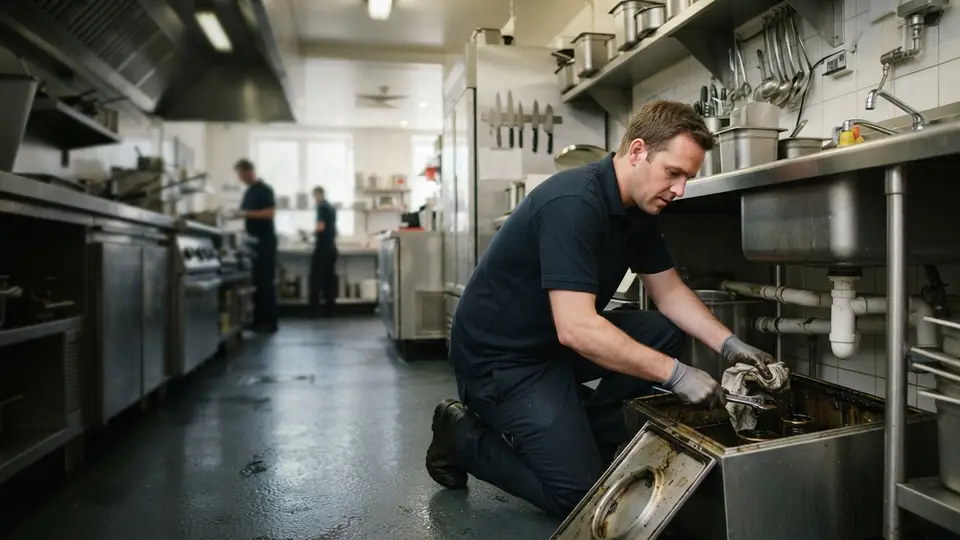
Restaurants and breweries
Common work: Grease interceptors, floor drains, gas
What matters most: Health inspections, downtime
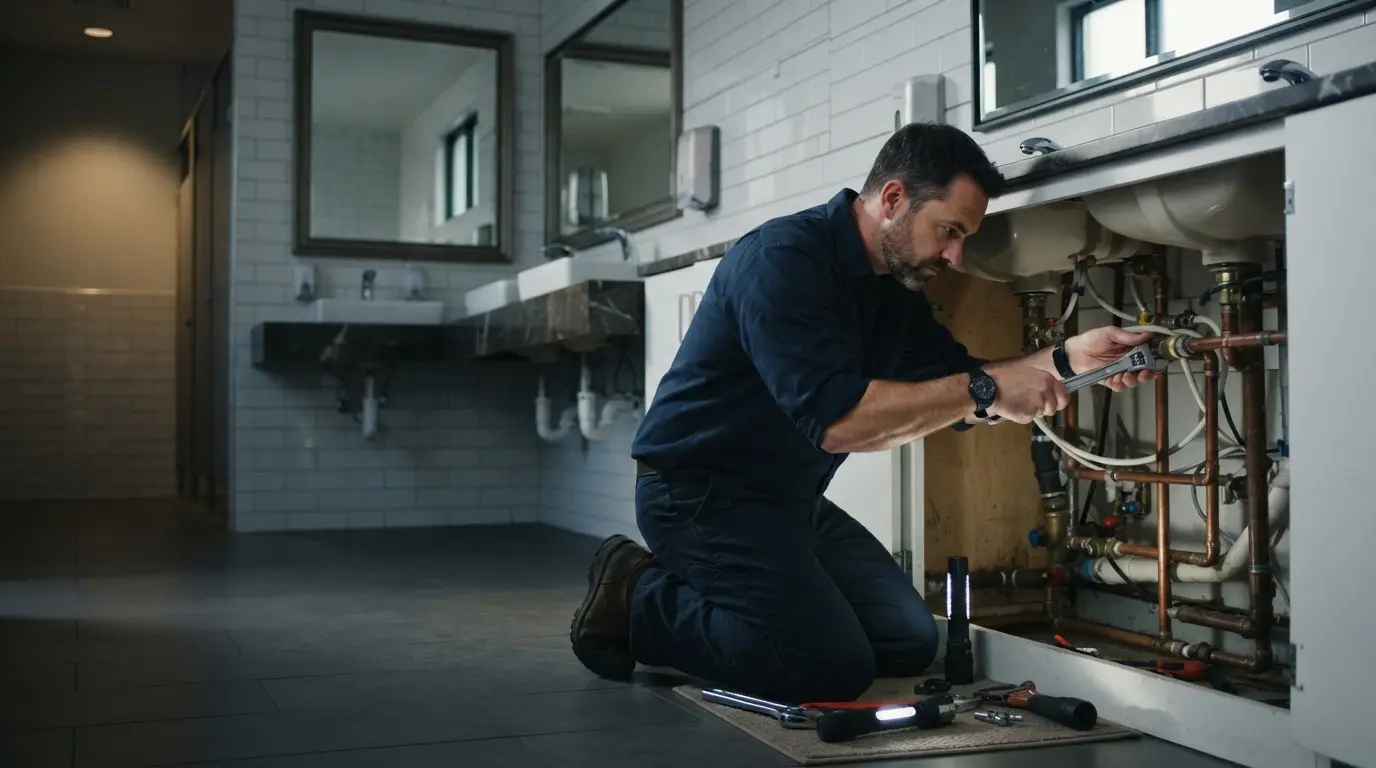
Restaurant drain backing up, or a complex with failing water heaters? We handle commercial plumbing in North Carolina. Our plumbers serve restaurants and food service, offices and retail, and multi-unit residential buildings, from uptown Charlotte towers and Triangle office parks to barbecue joints, breweries, Asheville inns and beach motels. North Carolina is growing fast, and new apartments, offices and restaurants open every month alongside older buildings that need upgrades. We schedule work around your hours, pull permits, arrange inspections and give you a written price before we start.
The service
Buildings with five or more units hold 22% of North Carolina homes, rising to 35% in Charlotte, 35% in Raleigh and 57% in Boone. Add restaurants, breweries, offices, clinics, hotels and stores, and commercial plumbing covers a large share of the state's water use. These systems run larger pipe, commercial water heaters, grease interceptors, fire lines and backflow devices, and they face stricter inspections.
Commercial work we handle
Common work: Grease interceptors, floor drains, gas
What matters most: Health inspections, downtime
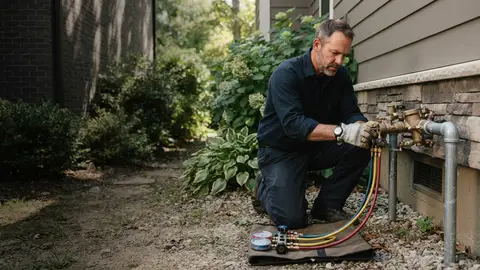
Common work: Restrooms, water heaters, backflow
What matters most: After-hours scheduling
Common work: Water heaters, mains, leaks
What matters most: Tenant notice, quick turnovers
Common work: Hot water, fixtures, drains
What matters most: Guest comfort, occupancy
Why North Carolina
Fryers, smokers and busy kitchens fill lines and interceptors quickly.
Student housing, military rentals and beach motels see constant turnover.
Hurricanes and floods damage equipment and overload drains.
Small problems wait until they close a business for a day.
Warning signs
Our process
We jet kitchen lines, service and replace grease traps and interceptors, connect gas cooking equipment and install sinks, floor drains and backflow devices to code.
We repair restrooms, replace commercial water heaters, fix leaks and test backflow devices before opening or after closing.
We replace water heaters between tenants, repair mains and supply lines, clear drains and handle leaks between units.
Typical cost
Any figure before we see the building is an estimate only. The main factors:
You receive a written price before work begins.
Get a written price: (833) 733-2357Larger pipe and equipment.
Off-hours work to avoid closures.
Large projects done in stages.
Commercial reviews and inspections.
Regular service reduces emergencies.
Benefits
Work planned around your business.
Health, fire and plumbing records in order.
Units ready for the next tenant.
Written prices and maintenance schedules.
Charlotte, Raleigh, Durham, Asheville and Wilmington have busy restaurant and brewery scenes, and barbecue restaurants across the state run smokers and fryers all day. Breweries need floor drains, trench drains and large hot water supplies. Many cities run grease control programs for food businesses. We set up interceptor cleaning schedules, keep records you can show inspectors and plan bigger work for slow days.
Charlotte (399,305 homes) and Raleigh have added large numbers of apartment buildings in recent years, while older garden complexes from the 1970s and 1980s age around them. Many units have their own electric water heaters in closets. We replace heaters quickly between tenants, fix polybutylene and supply leaks in older complexes and work with managers on capital plans.
Renters occupy 74% of homes in Boone, 67% in Greenville and 53% in Chapel Hill, and 61% in Jacksonville near Camp Lejeune. Student and military housing turns over constantly. We schedule big jobs between semesters or moves, keep common parts on hand and give managers clear reports.
Greensboro (135,665 homes), Winston-Salem and High Point have former mills, warehouses and furniture showrooms converted to apartments, offices and event spaces. High Point's furniture market fills showrooms twice a year. Conversions often need new risers, larger services and grease interceptors. We review the building early, tell the owner what must change and complete the work with permits.
Asheville inns and hotels, mountain resorts and beach motels depend on hot water and working fixtures. 70% of Nags Head homes are vacant on a typical day, and many coastal businesses are seasonal. We service commercial water heaters, restart systems before opening, test backflow devices and handle storm repairs.
In Concord (43,142 homes) and fast-growing suburbs, new shopping centers and office parks open regularly, and empty spaces become restaurants, gyms and clinics. Each new use brings new plumbing demands. We rough in restrooms, kitchens and equipment connections, coordinate with the general contractor and pass the inspections so the tenant can open on schedule.
The Research Triangle, the hospitals of Durham, Chapel Hill and Charlotte and the clinics in every county seat depend on reliable plumbing. Dental chairs, lab sinks, sterilizers and dialysis equipment need high-hazard backflow protection, and many labs need acid-resistant drain lines. We follow facility rules for access and safety, coordinate with building engineers and keep detailed records of every repair and test.
Hurricane season runs from June through November, and coastal and eastern businesses have learned to prepare. We check sump pumps and backflow devices, label shutoffs, raise water heaters where flooding is likely and help owners plan how to secure plumbing before a storm. After the storm, we inspect, restore water and clear drains so you can reopen as soon as it is safe.
Make sure staff know where the water and gas shutoffs are. For a leak, close the nearest valve and protect equipment and stock.
For a kitchen backup, stop water to that line and move food away. Notify tenants of any shutoff. Then call us.
Commercial plumbing needs permits and inspections from your city or county inspections department, and food service work also involves county health inspections. We file permits and coordinate inspections. Our work is done under North Carolina plumbing contractor licenses.
Why choose us
What you can count on every time one of our plumbers comes to your door.
Every job is handled by a plumber who holds the license your state or city requires, backed by liability insurance.
Our plumber explains the problem and the options, and you approve a written price before any work begins.
Burst pipes, sewage backups and failed water heaters get priority scheduling, including nights and weekends.
We pull permits when the job needs one and schedule the inspection, so the work holds up when you sell.
Repairs and installations come with a written warranty on labor, on top of the manufacturer's warranty on parts.
Our pages and plumbers account for your area's water, soil, climate and the age of the homes around you.
Service area
We serve businesses and buildings in 776 North Carolina communities, including Durham (136,837 homes) and Fayetteville (91,985 homes). Find yours:
We look at the system, the scope and when the work can happen, then give you a written price. Off-hours work and phasing affect the total.
Yes. We schedule interceptor service, line jetting, water heater flushing and backflow tests, which lowers the chance of costly breakdowns.
Yes, but it often costs less than closing your business. We price both options so you can decide.
Yes. We work with property managers to replace heaters quickly during turnovers and haul away the old tanks.
Yes. We report to the manager or owner, coordinate access and provide clear write-ups of what we found and fixed.
Yes. We clean and maintain traps and interceptors, jet kitchen lines and keep records for health and sewer inspectors.
Turn off cooking equipment if safe, evacuate and call the utility or 911 from outside. We repair the piping once it is safe.
Yes. Stop food service in the affected area and keep food away. We clear the line and help you document the cleanup.
Usually a day, depending on size and venting. We plan it to limit the time without hot water.
Quiet repairs, yes. Shutoffs and disruptive work we schedule before opening or after closing.
It depends on volume and size. Busy kitchens often need monthly service or more. We set a schedule for you.
Yes. Breweries need trench and floor drains, large hot water supplies and often pretreatment. We plan these with your designer.
Yes. We file with your city or county and coordinate health and fire reviews where needed.
Yes. We restart systems, test backflow devices and fix storm or freeze damage before you open.
We put gas, sewage and major leaks ahead of routine work and keep you updated on timing. Close the nearest shutoff and call us.