Electric tank
Where common: Most homes, especially the coast
Main concern: Elements, thermostats, sediment
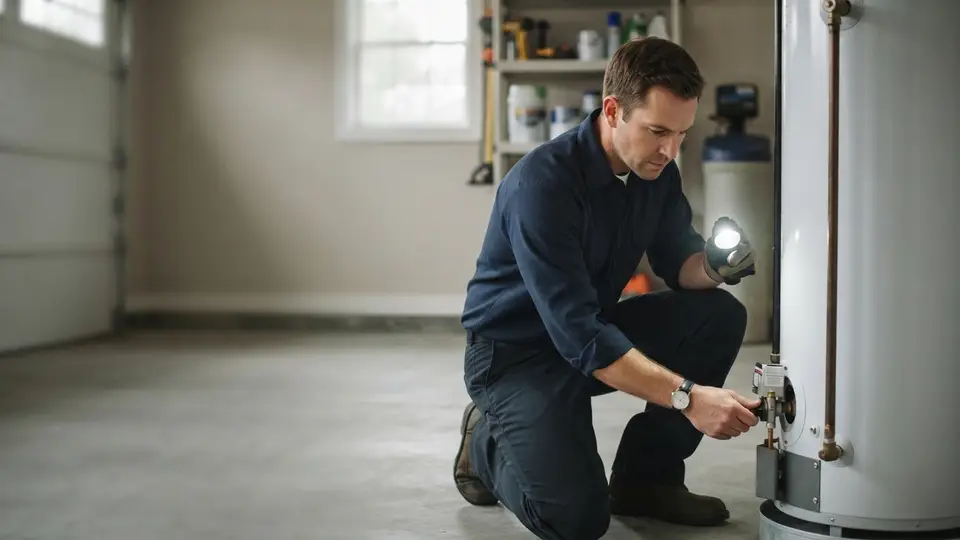
No hot water, or a tank leaking in the garage? We handle water heater repair and replacement in North Carolina. Our plumbers repair electric, gas and propane tank heaters, install new tanks, set up tankless units and install heat pump water heaters. Most North Carolina homes heat water with electricity, gas is common in the larger cities and propane in the mountains and rural areas. Heaters sit in garages, closets, attics and crawl spaces, and each location brings its own risks. We size the heater for your household, install it to code and pull the permit.
The service
Electricity heats 62% of North Carolina homes and utility gas 33%, and water heating follows the same split. At the coast electricity is nearly universal: 91% of Jacksonville homes and 96% of Kitty Hawk homes. Gas is more common in newer suburbs like Apex and Cary, where it heats 64% and 55% of homes. In the mountains, propane heats 42% of Blowing Rock homes. We work on all of them.
Water heaters we service
Where common: Most homes, especially the coast
Main concern: Elements, thermostats, sediment
Where common: Charlotte, Triangle, Triad suburbs
Main concern: Venting, burners
Where common: Upgrades in garages and basements
Main concern: Space, air and condensate
Where common: Newer homes, mountains
Main concern: Gas supply, descaling
Why North Carolina
Iron and minerals from well water settle in the tank and wear out elements.
Low-pH water eats through anode rods and tanks faster.
Summer heat and humidity stress valves and controls in hot spaces.
Storms soak heaters in garages and crawl spaces.
Warning signs
Our process
We test elements, thermostats, gas valves, burners and the relief valve, flush sediment and replace failed parts if the tank is sound.
We remove the old tank, set the new one with a pan and expansion tank where needed, connect power or fuel, check venting and file the permit.
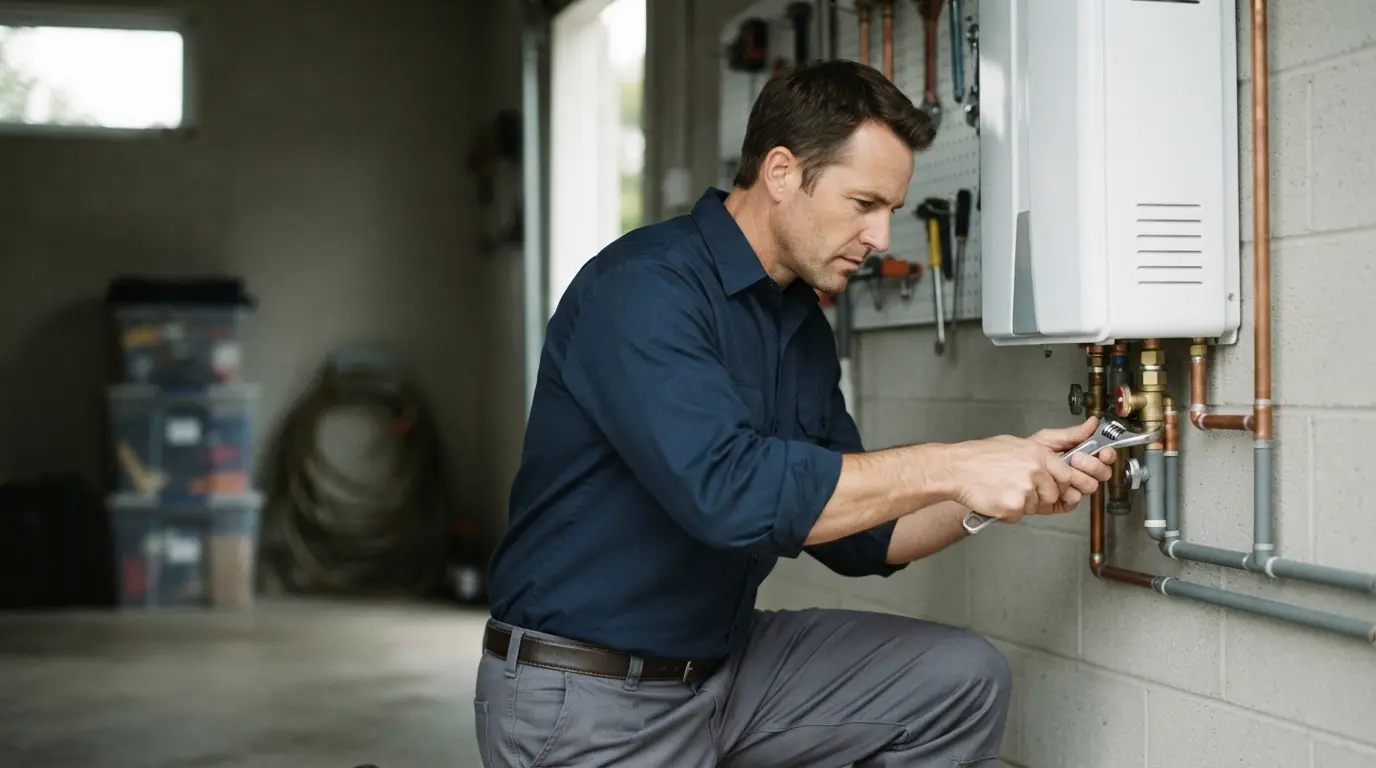
We size the unit, confirm the gas line, install venting and isolation valves and set up a descaling schedule for your water.
Typical cost
Any figure before we see your setup is an estimate only. The main factors:
You approve a written price before we remove anything.
Get a written price: (833) 733-2357Electric, gas, propane, heat pump or tankless.
Attics, closets and crawl spaces take more work.
Pans, expansion tanks and venting.
New circuits or larger lines.
Local fees vary.
Benefits
A heater sized for your household.
Pans and drains under attic units.
Efficient models set correctly.
Permit and inspection on record.
Because so many North Carolina homes already heat water with electricity, a heat pump water heater is often the easiest upgrade. It pulls warmth from the surrounding air and uses far less electricity than a standard tank. In a warm garage or basement it works well most of the year and dehumidifies the space too. We check the room, the condensate drain and the circuit before recommending one.
Many homes in Charlotte (399,305 homes) and Raleigh, especially townhouses and condos, have water heaters in closets or attics. A leak there comes straight through the ceiling. Buildings with five or more units hold 35% of Raleigh homes. We install proper drain pans with lines to the outside, add leak sensors and shutoffs and replace attic heaters with units that fit the space and the attic access.
In Wilmington (62,836 homes), Elizabeth City and the beaches, heaters on garage floors or under homes on pilings are at risk in every storm. Salt air corrodes fittings and controls. When we replace a heater in a flood zone, we can raise it on a platform or move it inside the living space, following local floodplain rules.
74% of Highlands homes and 75% of Blowing Rock homes are vacant on a typical day. Propane and electric heaters in second homes sit idle for long stretches, and a heater in an unheated space can freeze. We drain and refill heaters when homes close and open, replace freeze-damaged tanks and recommend tankless units for part-time use.
Renters occupy 67% of Greenville homes, 61% of Jacksonville homes and 53% of Fayetteville homes. Landlords need a heater replaced quickly so tenants are not without hot water. We work with property managers to schedule installs, handle the permit and haul away the old tank.
Many rural and suburban North Carolina homes draw from private wells, and well water often carries iron, sediment or acidity. Iron settles in the tank and coats electric elements, acidic water consumes the anode rod and sulfur-reducing bacteria can make hot water smell like rotten eggs. We flush the tank, replace the anode with the right type for your water and recommend treatment upstream so the new heater lasts as long as it should.
For a leak, close the cold valve above the tank. Switch off the breaker for an electric heater, or turn a gas unit to off or pilot.
Keep children away from hot water and the relief pipe. Clear space around the heater and call us.
Water heater replacements usually need a permit from your city or county inspections department. We file it and schedule the inspection. Our work is done under North Carolina plumbing contractor licenses.
Why choose us
What you can count on every time one of our plumbers comes to your door.
Every job is handled by a plumber who holds the license your state or city requires, backed by liability insurance.
Our plumber explains the problem and the options, and you approve a written price before any work begins.
Burst pipes, sewage backups and failed water heaters get priority scheduling, including nights and weekends.
We pull permits when the job needs one and schedule the inspection, so the work holds up when you sell.
Repairs and installations come with a written warranty on labor, on top of the manufacturer's warranty on parts.
Our pages and plumbers account for your area's water, soil, climate and the age of the homes around you.
Service area
We repair and replace water heaters in 776 North Carolina communities, including Greensboro (135,665 homes) and Boone (6,985 homes). Find yours:
It depends on the type, size, location, code updates and permit. You get a written price before we disconnect or remove the old heater.
Often, yes. Elements and thermostats are affordable fixes when the tank is sound. A leaking tank or one past twelve years should be replaced.
They cost more to buy but use much less electricity, so they often pay back over several years. We help you weigh the numbers.
We drain and remove the old tank, set the new one, connect water and power or fuel, check venting and test it before we leave.
Yes. Hauling away the old tank and packaging is part of the job, including tanks from attics and tight closets.
We ask how many people live in the home, count bathrooms and look at your peak use, then recommend a size that fits.
Leave the house, then call your gas utility, propane supplier or 911 from outside. We repair it once the area is safe.
It means pressure or temperature is too high or the valve is worn. Never plug it. Turn the heater down and call us.
A standard tank swap takes a few hours. Attic installs, heat pump units and tankless conversions take longer.
An electric tank takes an hour or two to heat once filled; gas recovers faster. Tankless units deliver hot water right away.
Once a year for most homes, and more often if your well water carries iron or sediment.
Tank heaters usually last eight to twelve years. Acidic or sediment-heavy well water can shorten that.
Usually, yes. We pull it from your city or county inspections department and schedule the inspection.
If the tank leaks, the pan catches the water and sends it outside instead of through your ceiling. Code requires it in many locations.
We book the earliest time we can and bring common sizes when possible. We keep you updated on timing.