Licensed plumbers in all 50 states Written price before any work starts
Licensed plumber working on home plumbing
Licensed plumbers serving District of Columbia

Experienced Plumbers in District of Columbia

1 communities served Licensed and insured plumbers Written price before work

Rowhouse stack leaking, or an old service line you are unsure about? Our plumbers in District of Columbia find the cause and fix it. Washington, DC is a city of old buildings: 31% of homes went up before 1940, and most residents live in rowhouses, small flats or apartment and condo buildings rather than detached houses. That means cast iron stacks, galvanized supply lines, clay laterals, shared plumbing between units and tight basements. Here is what we fix across the District, how licensing and permits work, and how we handle a job.

Written price firstYou approve it before we start
Licensed and insuredPlumbers licensed for the work
Permits handledWe pull them and book inspections
Warranty in writingLabor guaranteed on every job

Plumbing in District of Columbia

DC Housing and Plumbing by the Numbers

  1. 01

    Our Census data counts 681,294 residents in 361,014 homes in the District. The housing is among the oldest of any US city: the median home was built in 1958, 52% predate 1960 and 69% predate 1980. At the same time, 16% of homes were built since 2010, mostly large apartment and condo buildings in fast-growing neighborhoods.

  2. 02

    Only 11% of DC homes are detached houses. 22% are rowhouses and other attached homes, 10% are in two- to four-unit buildings and 42% are in buildings with 20 or more units. Renters occupy 58% of homes. Heating is split between utility gas (48%) and electricity (47%).

District of Columbia communities we cover
1
Homes
361,014
Median year built
1958
Homes built before 1940
31%

Counts from the U.S. Census Bureau 2024 Gazetteer.

Explore our services

What our plumbers see

What Our DC Plumbers Fix Most

01

Cast iron stacks and drains

Rowhouses and older apartment buildings drain through cast iron stacks that rust from the inside and crack, especially at the base where they turn toward the sewer. Leaks show up as stains on lower ceilings or sewer odors. We repair sections, line or replace stacks.

02

Galvanized and lead pipe

Many older homes still have galvanized supply lines, and some still have lead service lines or lead connectors. We replace interior pipe and the private side of the service line.

03

Clay sewer laterals and roots

Old clay laterals under front yards and sidewalks collect roots from street trees. We camera, clear and repair them.

04

Basement backups

Basement units and English basements sit at the lowest point of the plumbing. In older parts of the city, heavy storms can overload the sewers and push water back up basement drains. Backwater valves and ejector pumps help.

05

Water heaters in tight spaces

Water heaters squeezed into closets, under stairs and in small basements are hard to service and replace. We size and route replacements, including tankless units, to fit.

06

Frozen pipes

Winter cold snaps freeze pipes in exterior walls, rear additions and unheated basements, especially in older rowhouses with little insulation.

Our services

Our Plumbing Services in DC

Each service page explains how we handle that work in DC homes and businesses.

View all services

Across the state

Plumbing Across DC Neighborhoods

Capitol Hill, Shaw, Logan Circle

Typical housing: Victorian and early 1900s rowhouses

What our plumbers see: Cast iron stacks, galvanized supply, clay laterals, tight basements

Georgetown and Foggy Bottom

Typical housing: Historic rowhouses and older apartments

What our plumbers see: Very old piping, historic finishes, careful routing

Petworth, Brookland, Columbia Heights

Typical housing: Rowhouses, porch fronts, flats

What our plumbers see: Basement units, backups, roots, aging water heaters

Upper Northwest

Typical housing: Detached houses and older apartment buildings

What our plumbers see: Larger homes, old service lines, mature trees

Navy Yard, NoMa, the Wharf

Typical housing: Newer high-rise apartments and condos

What our plumbers see: Riser and unit valve work, booster pumps, commercial systems

East of the Anacostia River

Typical housing: Garden apartments, rowhouses, detached homes

What our plumbers see: Older multifamily plumbing, laterals, water heaters

Licensing and Permits in DC

The District licenses master and journeyman plumbers through its occupational licensing boards under the Department of Licensing and Consumer Protection. Our DC work is done by plumbers holding the licenses it requires.

Plumbing permits and inspections are handled by the DC Department of Buildings. Water heater replacements, repiping, sewer and water service work, gas piping and remodel plumbing generally need a permit. Homes in historic districts may also need design review for exterior work. We pull permits and schedule inspections for you.

Water and Sewer in the District

DC Water delivers drinking water treated by the Washington Aqueduct from the Potomac River and runs the sewer system. Older parts of the city are served by combined sewers that carry both stormwater and wastewater, which is why heavy storms can cause basement backups. Septic systems are very rare in the District.

DC Water has programs to find and replace lead service lines. The public side belongs to the utility, and the private side, from the property line to the house, belongs to the owner. Check with DC Water about your address; we replace the private side and coordinate timing with any public-side work.
Plumbing in Old Rowhouses

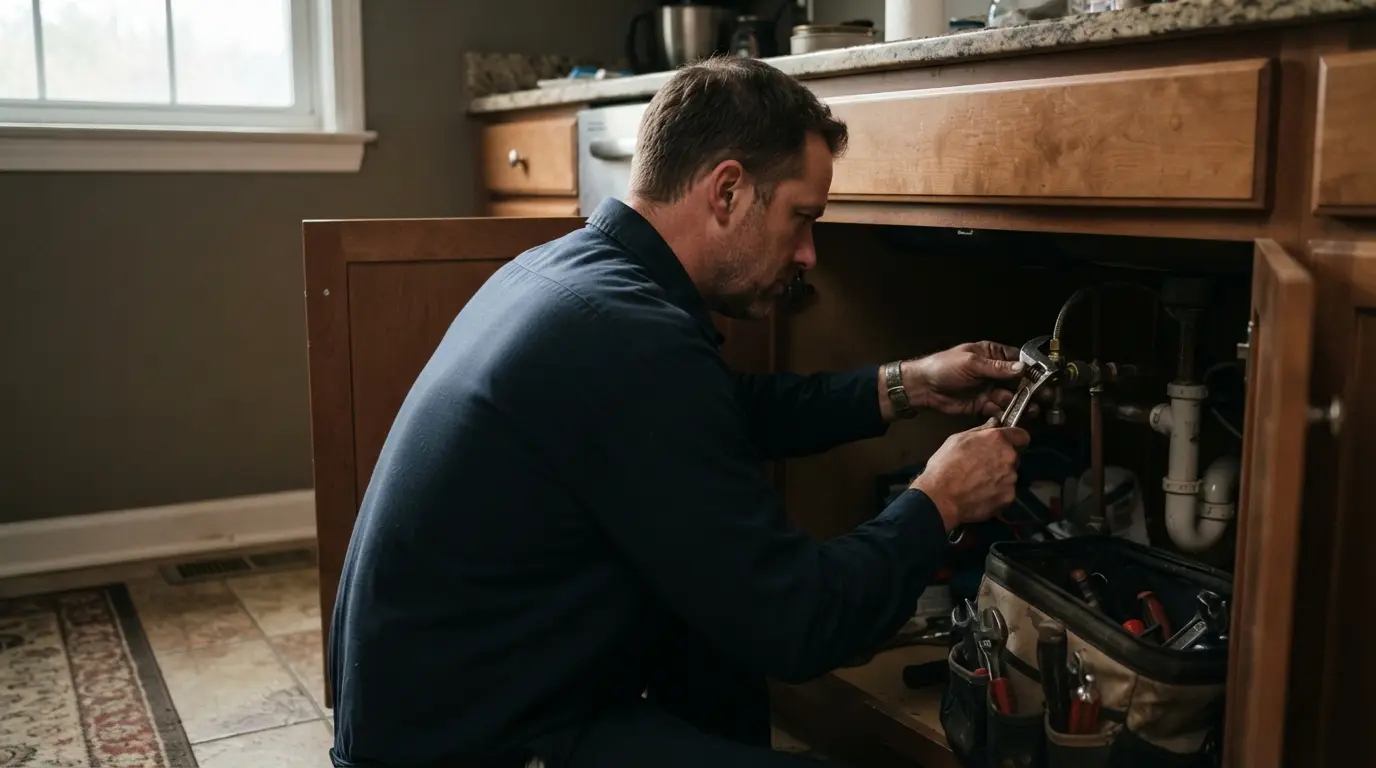
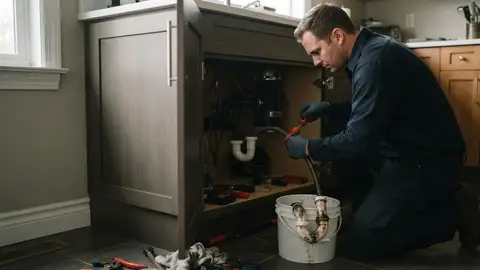
With 52% of DC homes built before 1960, much of our work happens in rowhouses where the plumbing has been patched for a century. A single house may have a cast iron stack, galvanized and copper supply lines, a clay lateral and a modern bathroom added in the 1990s. We look at the whole system before recommending work, and route new pipe through existing chases to protect plaster, trim and historic details.

Apartments, Condos and Rentals

Renters occupy 58% of DC homes, and 42% of homes are in buildings with 20 or more units. In these buildings, one failed riser valve or clogged stack affects many households. We work with property managers and condo associations on stacks, risers, unit shutoffs, booster pumps and water heaters, and with owners of basement apartments on separate shutoffs and backflow protection. Tenants should report problems to the landlord or manager, who arranges the visit.

Gas Lines in DC Homes

About 48% of DC homes heat with utility gas, and many more cook with it. Old black iron in rowhouse basements, outdated appliance connectors and lines extended over the years are common findings. If you smell gas, leave and call the gas company from outside; once it is safe, we repair the piping, test it and relight appliances.

Service area

Where We Work in DC

We serve the whole District, from Capitol Hill and Georgetown to Petworth, Brookland and east of the river.

  • Washington, DC

District of Columbia

  • Washington

How it works

How a Job Works With Us

01

Tell us what is happening

We ask about the building type, the unit and whether water or gas should be shut off.

02

Urgent calls first

Active leaks, sewage backups, no water and gas odors get priority scheduling.

03

We find the cause

Camera inspections, leak detection and pressure tests come before recommendations.

04

You approve a written price

Options and costs are laid out before work begins.

05

We finish, test and close the permit

Work is tested and inspected where required.

Have a plumbing problem in District of Columbia?

Call Expert Plumber Now and tell us what is happening. We’ll send a licensed plumber.

(833) 733-2357

Pricing

What Affects Plumbing Costs in DC

We price every job on what we find. These factors move the price most in the District:

Building age

Century-old piping often needs more than a patch.

Access

Narrow rowhouses, plaster walls and tight basements take more time.

Shared systems

Stacks and risers in multifamily buildings need coordination.

Street and sidewalk work

Laterals and service lines under public space need extra permits.

Parking and logistics

Equipment access on busy blocks adds planning.

Timing

After-hours calls cost more than scheduled work.

You receive a written price before work starts.

Season by season

DC Plumbing Through the Year

01

Winter

Keep heat on in rear additions and basements, and open cabinets on cold exterior walls during cold snaps.

02

Spring

Heavy rain tests basement drains; check backwater valves and sump or ejector pumps.

03

Summer

Thunderstorms can overload combined sewers; keep basement drains protected.

04

Fall

Shut off and drain outdoor spigots and flush the water heater before winter.

Why choose us

Why District of Columbia Homeowners Call Expert Plumber Now

What you can count on every time one of our plumbers comes to your door.

Licensed, insured plumbers

Every job is handled by a plumber who holds the license your state or city requires, backed by liability insurance.

Price before we start

Our plumber explains the problem and the options, and you approve a written price before any work begins.

Help when it can't wait

Burst pipes, sewage backups and failed water heaters get priority scheduling, including nights and weekends.

Work done to code

We pull permits when the job needs one and schedule the inspection, so the work holds up when you sell.

Our work is guaranteed

Repairs and installations come with a written warranty on labor, on top of the manufacturer's warranty on parts.

Local know-how

Our pages and plumbers account for your area's water, soil, climate and the age of the homes around you.

FAQ

District of Columbia plumbing questions, answered

Anything else? Call us at (833) 733-2357.

How do you price plumbing work in DC?

Each job is priced on what our plumber finds: building age, access, materials, permits and timing. You approve a written price before any work begins.

Why does rowhouse plumbing work cost more?

Old cast iron and galvanized pipe, plaster walls and tight access take more time. We explain what drives the price in your house before starting.

What happens after I call?

We ask what is happening, tell you what to shut off and schedule our plumber, with active leaks, backups and gas odors first.

Do you pull DC permits?

Yes. We pull permits from the DC Department of Buildings and schedule inspections for work that requires them.

What should I do if I smell gas?

Leave the building without using switches and call the gas company or 911 from outside. We repair the piping once it is safe.

How long does a stack repair take?

A section repair is often done in a day. Replacing a full stack in a rowhouse or building can take several days.

How do I keep pipes from freezing in DC?

Keep heat on in additions and basements, insulate exposed pipes, drain outdoor spigots in fall and open cabinets on cold walls.

What if my basement drain backs up during a storm?

Stop using water and call us. We clear the line and can install a backwater valve to protect the basement.

Are your plumbers licensed in DC?

Yes. Our DC work is done by plumbers holding the licenses the District requires.

Does my DC home have a lead service line?

Some older homes do. DC Water can tell you what records show for your address, and we can inspect and replace the private side.

Call a plumber · (833) 733-2357