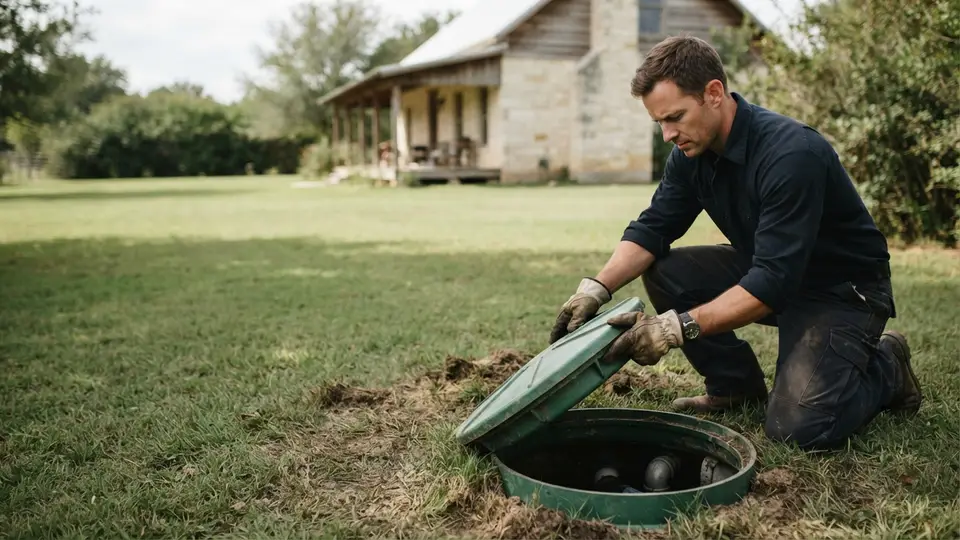
Abandoned septic tank or cesspool
Where it comes up: Found during excavation or renovation
What we do: Pump, inspect, then properly abandon or remove
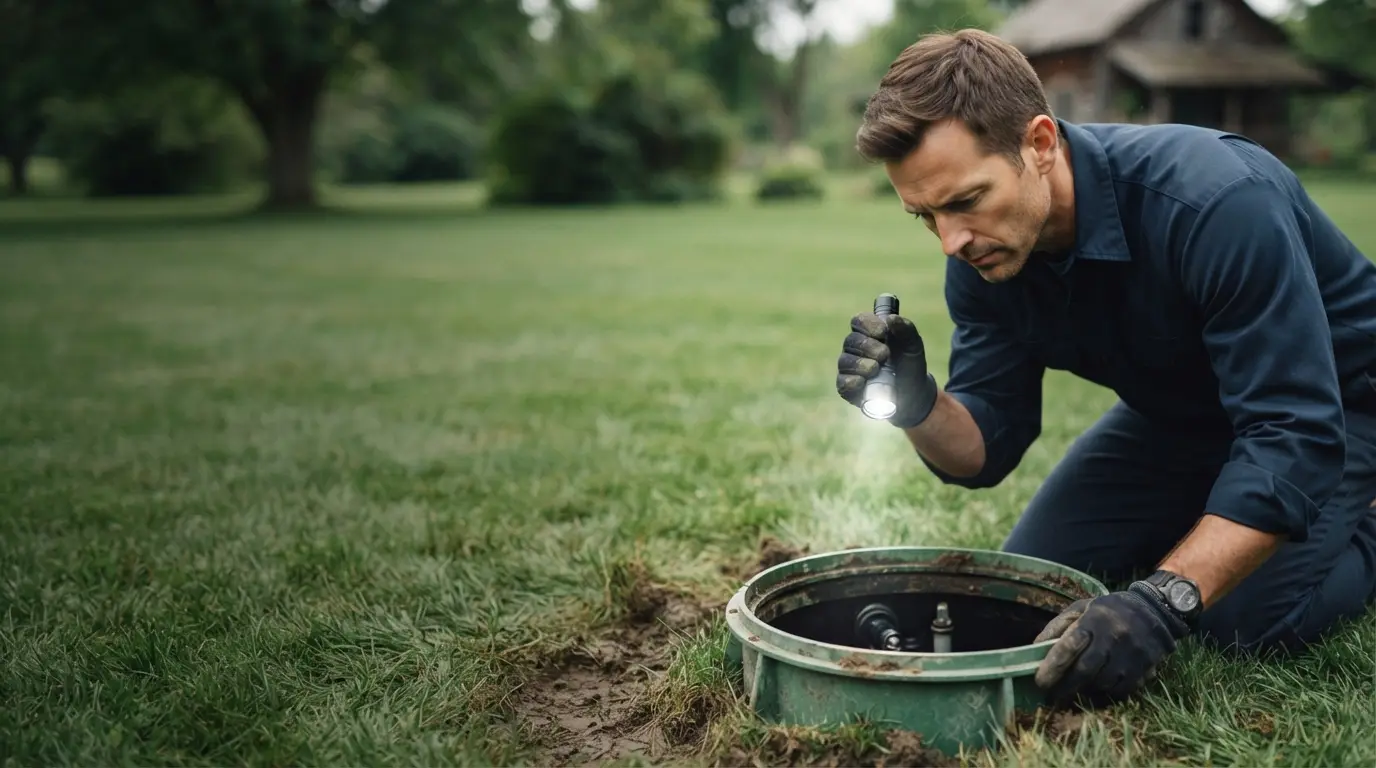
Old tank found in a renovation, or a basin alarm sounding? We provide septic tank services in District of Columbia for the few properties that need them. Almost every building in the District connects to the DC Water sewer system, so true septic systems with drainfields are very rare here. What we see instead are abandoned tanks and cesspools found under old yards, sewage ejector and holding basins that work much like a septic tank, and grease interceptors at restaurants. This page explains how we handle each one.
The service
A septic system is a tank where solids settle, plus a drainfield where liquid soaks into the soil. In a dense city served by public sewers, there is rarely room or reason for one. When we talk about septic services in DC, we mean the related jobs that do come up: locating and safely closing old tanks found on properties, pumping and servicing basins that collect sewage before it is pumped to the sewer, and inspecting what is underground before a renovation or sale.
Septic-type work we handle in the District
Where it comes up: Found during excavation or renovation
What we do: Pump, inspect, then properly abandon or remove
Where it comes up: Basement bathrooms below the sewer line
What we do: Pump out, clean, repair pump and alarm
Where it comes up: Restaurants and food service
What we do: Pump, inspect baffles, repair
Where it comes up: Rare sites with special conditions
What we do: Pumping, inspection, pump and alarm service
Why District of Columbia
31% of DC homes were built before 1940, and some sites predate sewer service entirely. Old privy vaults, cesspools and tanks were often filled or covered rather than removed, and they surface during excavation for additions, utilities and new foundations.
English basement apartments and basement bathrooms often sit below the level of the sewer line. Their wastewater collects in a sealed basin and an ejector pump lifts it out. Those basins need pumping and cleaning much like a small septic tank.
Restaurants along busy corridors rely on grease interceptors that fill with fats and solids and must be pumped regularly.
Underpinning basements, building rear additions and replacing laterals all disturb soil where old structures may lie.
Warning signs
Our process
For an ejector basin, holding tank or abandoned tank, we pump the contents with a vacuum truck, clean the chamber and dispose of the waste at an approved facility. Before abandoning an old tank, pumping is the first step.
We inspect the chamber walls, inlets, outlets and any connections, and run a camera through pipes leading to it to confirm whether it is still connected to anything in the building. For ejector basins, we test floats, pump, check valve and alarm.
Drainfields essentially do not exist in DC. When we find old leaching pits or drain lines from a former system, we confirm they are disconnected and fill or remove them as required, so they do not collapse or let groundwater into the building.
Typical cost
You receive a written price before work begins.
Get a written price: (833) 733-2357Larger tanks and heavy sludge take longer to pump.
Tight basements, narrow lots and alleys affect equipment access.
Filling in place costs less than full removal.
Ejector repairs add parts and labor.
Some work requires permits and approved disposal.
Benefits
A properly abandoned tank will not cave in later.
Sealed, vented basins keep odors out.
Serviced ejector pumps keep lower units working.
Documentation answers buyer questions.
An old buried tank or cesspool is a collapse risk and can let sewer gas or water into a basement. Proper abandonment means pumping it out, breaking or removing the bottom or the whole structure, filling it with clean material and confirming no active plumbing drains into it. We coordinate with the DC Department of Buildings and any environmental requirements that apply, and document the work for your records or a future sale.
An ejector basin in a basement collects wastewater from fixtures below the sewer line. Grease and wipes clog the pump, floats stick and alarms sound. We pump and clean the basin, replace failed pumps and check valves, test the alarm and confirm the basin lid is sealed and vented so sewer gas stays out of the living space.
Renters occupy 58% of DC homes, and many live in English basement units that depend on an ejector basin. A failed pump means a backup in the tenant's bathroom. We work with owners on regular basin service and quick repairs, and recommend a battery backup alarm so problems are caught early.
Buyers, lenders and inspectors sometimes ask about an old tank, vault or unexplained chamber on a DC property. We inspect it, confirm whether anything still drains into it and document its condition, then price proper abandonment if needed, so the question does not hold up closing or surprise the next owner.
If you uncover a buried tank or chamber, stop digging, keep people back from the opening and cover it securely. Never enter or lean into it; gases inside can be deadly and walls can collapse.
If an ejector alarm sounds, stop using basement fixtures and call us. Do not open the sealed basin yourself.
Installing or replacing an ejector system, and abandoning or removing old tanks, can require permits from the DC Department of Buildings, and some sites involve environmental review. Our plumbers hold the licenses the District requires, waste goes to approved facilities and we handle permits where they apply. Confirm requirements for your site with us before planning work.
Why choose us
What you can count on every time one of our plumbers comes to your door.
Every job is handled by a plumber who holds the license your state or city requires, backed by liability insurance.
Our plumber explains the problem and the options, and you approve a written price before any work begins.
Burst pipes, sewage backups and failed water heaters get priority scheduling, including nights and weekends.
We pull permits when the job needs one and schedule the inspection, so the work holds up when you sell.
Repairs and installations come with a written warranty on labor, on top of the manufacturer's warranty on parts.
Our pages and plumbers account for your area's water, soil, climate and the age of the homes around you.
Service area
We handle tanks, basins and interceptors across Washington, DC, in a city of 361,014 homes.
Very few. Almost every property connects to DC Water sewers. We mostly handle old abandoned tanks, ejector basins and grease interceptors.
It depends on size, contents, access and whether it is filled in place or removed. We inspect first and give you a written price.
Pumping and cleaning is usually modest; a new pump or alarm adds parts. You get a written price before we start.
It depends on size and how full it is. Regular scheduled pumping costs less than emergency cleanouts.
We pump it, check its walls and connections and run a camera through attached pipes to confirm nothing still drains into it.
Yes, where they apply. We coordinate with the DC Department of Buildings and document the work.
Yes. Gases inside can be fatal and walls can collapse. Keep people back and call us.
Yes. Keep people out of the area and let us clear and clean it.
Often one to two days, depending on size, access and whether we remove or fill it.
Usually a few hours once we have the right pump for the basin.
Many benefit from a check every year or two, more often in busy rental units.
Flush only toilet paper, keep grease out and test the alarm regularly.
Stop using basement fixtures and call us. Basin backups get priority scheduling.
Some sites predate sewer service, and old privies and tanks were often covered rather than removed.
DC Water runs the public sewer system. Owners are responsible for their private building drain and lateral.