Restaurants
Common work: Grease interceptors, kitchen drains, gas
Typical problems: Grease clogs, slow floor drains
Grease trap overflowing on a busy night, or pipes frozen in an empty suite? We handle commercial plumbing in Minnesota. Our plumbers serve restaurants, offices, retail, clinics, schools, warehouses and apartment buildings. Minnesota businesses deal with long, hard winters, hard water that scales equipment, strict backflow and grease rules and a mix of historic downtown buildings and modern suburban campuses. We plan work around your hours and leave records your managers and inspectors can use.
The service
Commercial work ranges from a neighborhood café to a hospital campus or a 300-unit apartment complex. Buildings with five or more units hold 24% of Minnesota homes in our data, 57% in Hopkins and 45% in St. Louis Park. Each property type has different equipment, code requirements and scheduling needs.
Commercial properties we serve
Common work: Grease interceptors, kitchen drains, gas
Typical problems: Grease clogs, slow floor drains
Common work: Restrooms, heaters, backflow
Typical problems: Fixture wear, test deadlines
Common work: Risers, boilers, booster pumps
Typical problems: Leaks between units, aging pipe
Common work: Backflow, special fixtures, RO
Typical problems: Cross-connections, uptime
Common work: Restrooms, fire lines, heaters
Typical problems: Frozen pipes at docks
Why Minnesota
Docks, vestibules, vacant suites and sprinkler lines freeze in hard winters.
Scale damages heaters, dishwashers, ice machines and steam equipment.
Cities and sewer authorities limit fats, oils and grease from kitchens.
Testable devices must be checked at least once a year.
Warning signs
Our process
We jet kitchen lines, install and repair grease traps and interceptors, connect cooking equipment to gas and help keep maintenance records.
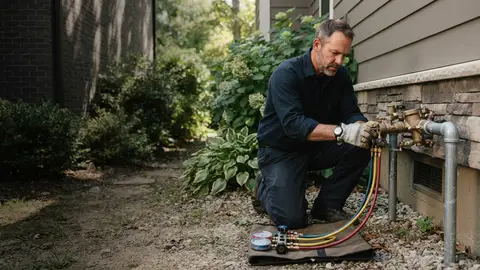
We repair restrooms and water heaters, plumb tenant improvements and test and repair backflow devices.
We repair risers and stacks, service boilers' water connections and booster pumps and replace aging pipe in planned phases.
Typical cost
Prices are estimates only until we see the site. These factors matter:
You approve a written price before we begin.
Get a written price: (833) 733-2357A service call, repair or full build-out.
Occupied spaces and after-hours work.
Old pipe and tight chases.
Commercial plumbing permits and plan review.
Interceptors, pumps, heaters and devices.
Benefits
Work planned around your hours.
Backflow and grease records kept.
Problems found early.
We learn your systems over time.
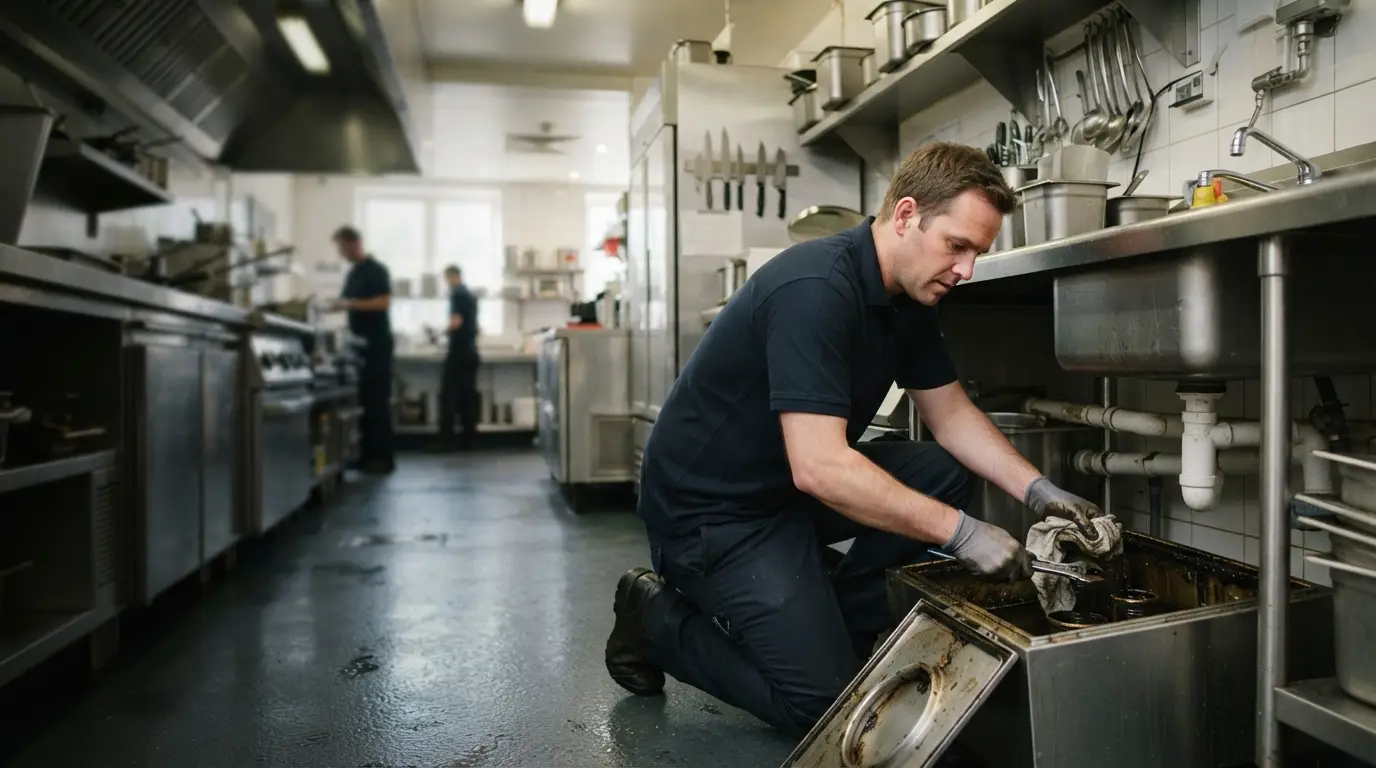
Restaurant districts in Minneapolis (209,080 homes), St. Paul and Duluth run long hours, and many cities require grease interceptors with regular pumping. Sewer authorities can fine kitchens that send grease into the system. We size, install and repair interceptors, jet lines on a schedule and work before opening or after close so service is not interrupted.
Rochester (54,492 homes) is built around one of the largest medical centers in the country, and clinics and medical offices fill suburban campuses statewide. These buildings need dependable hot water at the right temperature, backflow protection on every equipment connection and quick response when a fixture fails. We work within your infection control and safety procedures and schedule disruptive work after hours.
Bloomington (39,261 homes), Eden Prairie and Eagan have large office, retail and hotel properties. We service multiple buildings for property managers, keep backflow schedules current, plumb tenant improvements and respond to restroom and water heater failures so tenants are not left waiting.
Renters occupy 52% of homes in Minneapolis and 50% in Mankato. Older brick walk-ups in the core cities run on boilers and aging risers, while newer complexes have per-unit water heaters and booster pumps. We handle unit repairs and central equipment, plan riser replacements in stages and report back to managers with photos and notes.
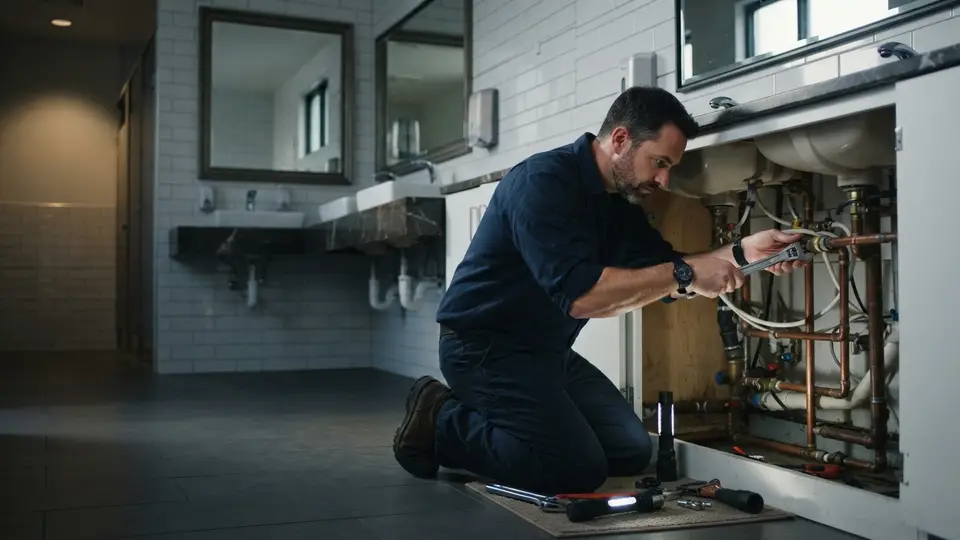
Commercial buildings in Minnesota face frozen pipes at loading docks, in entry vestibules, above ceilings along exterior walls and in vacant suites where heat is turned down. One burst pipe over a weekend can damage several tenants. We walk buildings in fall, insulate and heat-trace vulnerable lines and repair freeze damage fast when it happens.
Resorts, restaurants and shops around Brainerd (6,760 homes) and lakes country run hard in summer and slow down in winter. Many are on wells and septic. We open and close seasonal plumbing, service water heaters and grease systems before the season and handle commercial septic connections.
Outside Minneapolis, St. Paul and Duluth, most Minnesota businesses run on hard groundwater. In St. Cloud (29,762 homes), Rochester and similar cities, scale shortens the life of water heaters, dishwashers, ice machines and coffee equipment. We install commercial softening and scale control sized for your flow and set it to use salt efficiently.
Schools, churches and community centers see heavy restroom use for part of the week and long quiet stretches during breaks. Flush valves, sensor faucets and drinking fountains wear out, and water that sits still in pipes over winter break can freeze in a building where the heat is turned down. We repair commercial fixtures, flush lines after closures and schedule larger projects for summer, when buildings are empty and work does not disrupt students or services.
Lower-level restrooms, kitchens and floor drains in many Minnesota commercial buildings sit below the sewer and drain to ejector pumps or small lift stations. When one fails, waste backs up into the lowest floor quickly. We repair and replace ejector pumps, floats, check valves and alarms, and we recommend duplex pump setups with alarms for buildings where a single pump failure would close the business.
Shut off water to the affected area or building if a leak is spreading. Stop using fixtures on a backed-up line and put up signs.
Tell us where shutoffs and cleanouts are, who will meet us and when we can work. Then call us.
Commercial plumbing and gas work in Minnesota requires permits from the city or the state, and larger projects need plan review. We pull permits and schedule inspections. Our plumbers hold Minnesota licenses for the work they do.
Why choose us
What you can count on every time one of our plumbers comes to your door.
Every job is handled by a plumber who holds the license your state or city requires, backed by liability insurance.
Our plumber explains the problem and the options, and you approve a written price before any work begins.
Burst pipes, sewage backups and failed water heaters get priority scheduling, including nights and weekends.
We pull permits when the job needs one and schedule the inspection, so the work holds up when you sell.
Repairs and installations come with a written warranty on labor, on top of the manufacturer's warranty on parts.
Our pages and plumbers account for your area's water, soil, climate and the age of the homes around you.
Service area
We serve businesses in 915 Minnesota communities, including St. Paul (133,051 homes), Duluth (39,978 homes) and Eagan (28,789 homes). Find yours:
We look at the scope, building access, timing and permits, then give you a written price before any work begins.
Yes, but it can prevent lost sales or tenant complaints. We price both daytime and after-hours options so you can choose.
Yes. We schedule grease line jetting, backflow tests and water heater service on a regular plan, priced in writing.
Often yes, by working in sections. Larger shutoffs are scheduled before opening or after closing.
Yes. We design and install the plumbing, pull permits and coordinate with your general contractor and inspector.
Yes. We size, install and repair interceptors and jet the lines, and we coordinate with pumping services.
Evacuate the building, avoid switches and equipment and call the utility or 911 from outside.
We close off work zones, post signs and keep tools and materials out of public paths at all times.
It depends on the number of floors and units. We work in stages so each unit is without water for as short a time as possible.
Simple permits can be quick, while larger projects need plan review. We file early to keep the schedule.
Busy kitchens often need it every few months. We set a schedule after we see how fast grease builds.
At least once a year under the state plumbing code, by a certified tester.
Shut off the water and call us. We treat it as an emergency and keep you updated on timing.
Many cities require them for food service. Your city or sewer authority can confirm the rules for your site.
Yes. We inspect in fall, insulate and heat-trace at-risk pipes and recommend leak and temperature alarms.