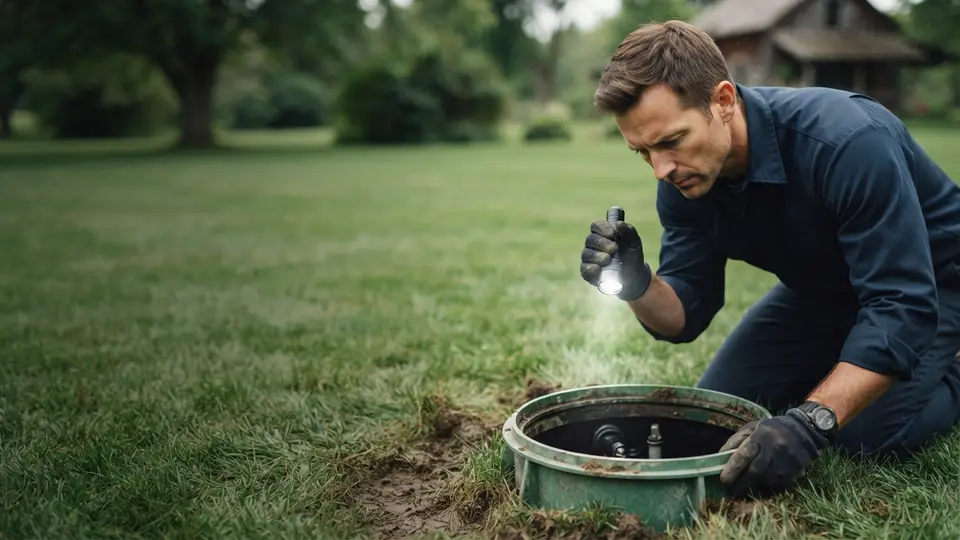
Septic pumping
When needed: Every few years or when full
What we do: Remove sludge and scum, check baffles
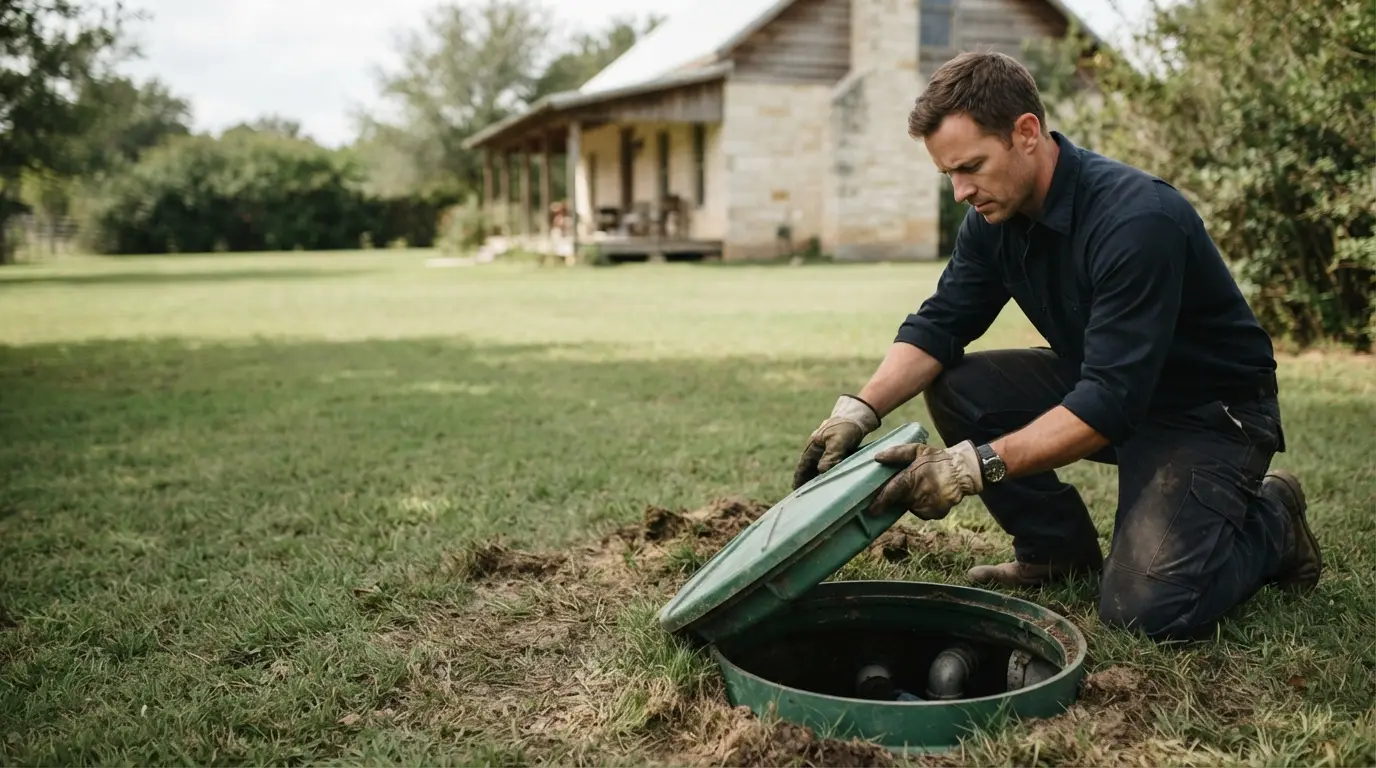
Compliance inspection due at sale, or a cabin system backing up? We handle septic tank services in Minnesota. Our plumbers pump tanks, inspect systems and repair drainfields at year-round homes, lake cabins and rural properties. Roughly a quarter of Minnesota homes rely on septic, which the state calls SSTS, and counties administer the rules. Shoreland lots, deep frost, clay soils in the south and sand up north all shape how these systems work and fail.
The service
A septic system holds household waste in a tank where solids settle, then sends liquid to a drainfield or mound where soil treats it. Minnesota sets SSTS standards statewide through the Pollution Control Agency, while counties and some cities issue permits and enforce them. Systems are classified as compliant, failing or an imminent threat to public health, and failing systems must be upgraded on a timeline set locally.
Septic services we provide in Minnesota
When needed: Every few years or when full
What we do: Remove sludge and scum, check baffles
When needed: At sale, permits or with problems
What we do: Evaluate tank, soil separation and field
When needed: Wet areas, odors, backups
What we do: Find and fix the failure
When needed: Pressurized systems
What we do: Repair pumps, floats and alarms
Why Minnesota
Systems built too close to groundwater or bedrock do not treat waste properly and are classed as failing.
Without snow cover, or with low use, lines and tanks can freeze in deep cold.
Many cabins have small tanks, cesspools or drywells from decades ago.
Solids carried into the drainfield clog it permanently.
Warning signs
Our process
We pump the tank through its maintenance hole, check baffles, the effluent screen and the tank walls, and note the sludge level for your records.
We look at the tank and system components and check the drainfield. Official compliance inspections must be done by an SSTS-licensed inspector; we coordinate with them and handle the repairs their report calls for.
We find whether the field has crushed or frozen pipe, a failed distribution device or saturated soil, and repair it. Replacement fields are built from a design and permit approved by your county.
Typical cost
Septic prices are estimates only until we see your system. These factors matter:
You approve a written price before we start.
Get a written price: (833) 733-2357Buried covers and large tanks take longer.
Mounds and pressure systems have more parts.
Baffles, pipes, pumps and floats.
Design, permit and installation.
Frozen ground limits digging.
Fees vary by county.
Benefits
Solids stay in the tank.
Properly treated effluent.
Fewer surprises at inspection.
Problems caught early.
Lakes country is full of cabins on small shoreland lots. In our data, 59% of homes in Crosslake, 40% in Breezy Point and 33% in Pequot Lakes are not occupied year-round. Cabin systems sit idle much of the year, then take a full house on summer weekends. Shoreland rules add setbacks from the water. We pump before the season, check that the system can handle peak use and help owners plan upgrades when a system is undersized or noncompliant.
Many Minnesota counties require an SSTS compliance inspection when a property is sold, and some also require one when you add a bedroom or apply for a building permit. A failing result can hold up a closing. We work with licensed inspectors, explain what the report means in plain terms and price repairs or replacement quickly so buyers and sellers can agree on a plan. Check with your county for its rules.
In a cold winter with little snow, septic systems can freeze, especially at cabins used only on weekends, homes where residents travel and systems with a pump line that does not drain back. Signs include backups and an alarm. We thaw lines and tanks, find why the system froze and recommend fixes like insulation, mulch over the field in fall, steady water use and correct pump drain-back.
Near Hermantown, where propane heats 21% of homes, Ely and Bemidji (7,232 homes), shallow bedrock and coarse sand both complicate septic design. Mound systems and pressure distribution are common. We service pumps, floats and alarms on these systems and repair components promptly, because a failed pump in winter can freeze the whole system.
Some newer communities at the edge of the Twin Cities, such as Nowthen and Otsego (median year 2008), include homes on private septic and wells, along with sewered neighborhoods. Newer systems are designed to current SSTS standards, but they still need pumping and maintenance. We service these systems and explain the design your system uses.
Farm country in southern and western Minnesota sits on heavy, slowly draining soils, and many rural homes there have older trenches that were sized for smaller households. When the soil stays wet through spring, the drainfield cannot accept water and the system backs up. Mound systems, which build treatment soil above the native ground, are common replacements. We service mounds, their pump tanks and alarms, and repair trench systems when the problem is a pipe or distribution box rather than the soil.
Use as little water as possible. If an alarm is sounding, silence it and leave the system on unless its instructions say otherwise.
Keep vehicles and people off wet areas, and never open or enter the tank yourself. Then call us.
Septic repairs and replacements in Minnesota are permitted by your county or city under state SSTS rules, and design and inspection work must be done by SSTS-licensed professionals. We coordinate permits and inspections. Our plumbers hold Minnesota plumbing licenses for the house plumbing connected to the system.
Why choose us
What you can count on every time one of our plumbers comes to your door.
Every job is handled by a plumber who holds the license your state or city requires, backed by liability insurance.
Our plumber explains the problem and the options, and you approve a written price before any work begins.
Burst pipes, sewage backups and failed water heaters get priority scheduling, including nights and weekends.
We pull permits when the job needs one and schedule the inspection, so the work holds up when you sell.
Repairs and installations come with a written warranty on labor, on top of the manufacturer's warranty on parts.
Our pages and plumbers account for your area's water, soil, climate and the age of the homes around you.
Service area
We service septic systems in 915 Minnesota communities, including Brainerd (6,760 homes), Alexandria (7,715 homes) and Fergus Falls (7,072 homes). Find yours:
Tank size, access to the cover and local disposal fees set the price. We give you a written price before we start.
It ranges from a single part to a new system. Once we know the cause, we price the repair or the replacement design and installation.
Somewhat, because pumps, floats and alarms need regular service. We explain what yours needs.
We check county records, follow the sewer from the house and probe to locate the cover.
We check the tank, baffles, pump and alarm and look at the drainfield. Official compliance inspections are done by a licensed SSTS inspector.
Yes. We explain the report, coordinate the design and permit and install the repair or new system.
Yes. Gases in the tank can overcome a person, and open tanks are a fall risk. Leave it to us.
It can. Poorly treated effluent can reach groundwater and nearby lakes. Repairs protect both.
Installation often takes a few days, but design, permits and weather can add weeks.
Yes. Normal use is fine as soon as we close the tank.
Many households need it every two to three years, depending on tank size and use. We recommend a schedule after the first visit.
Leave snow cover in place, add mulch over the field in fall, insulate shallow lines and keep using water steadily.
Stop using water and call us. We check for a frozen line or tank and thaw it.
Many counties require a compliance inspection at sale. Your county can confirm.
Yes. Shoreland lots have setback and design requirements, and many counties enforce them at sale or permit time.